
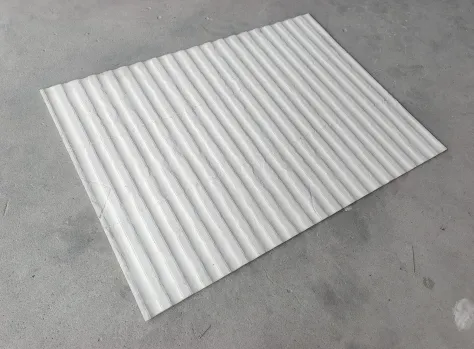
When it comes to picking materials for your home's exterior, patio, or commercial building facade, durability is non-negotiable. You don't want to invest in something that fades, cracks, or deteriorates after just a few years. If you've been researching stone options, you've probably stumbled upon Century Stone. But what exactly is it? Why do so many builders and homeowners swear by it? And most importantly, can it really handle rain, sun, snow, and everything in between? Let's start by breaking down what makes Century Stone stand out, especially when you source it from a reliable century stone supplier that offers tailored century stone solutions .
Before we jump into weather resistance, let's get clear on what Century Stone actually is. Unlike generic "building stone" that might be a mix of random quarried rocks, Century Stone is an engineered stone composite designed specifically for long-term outdoor use. Think of it as the "workhorse" of building materials—crafted to blend the natural beauty of stone with the durability of modern engineering. Most century stone suppliers create it by combining high-quality natural stone aggregates (like granite or quartz) with a polymer resin binder, then pressing and curing it under controlled conditions. The result? A material that's denser, more uniform, and often more resilient than many natural stones.
You might be thinking, "But natural stone has been used for centuries—why go engineered?" Here's the thing: Natural stone is stunning, but it's also unpredictable. A slab of marble might look perfect in the quarry, but install it on a sunny wall, and a year later, you could have discoloration or cracks from freeze-thaw cycles. Century Stone, on the other hand, is designed to minimize those risks. That's why century stone solutions are increasingly popular for everything from residential facades to commercial plazas—they offer consistency you can count on.
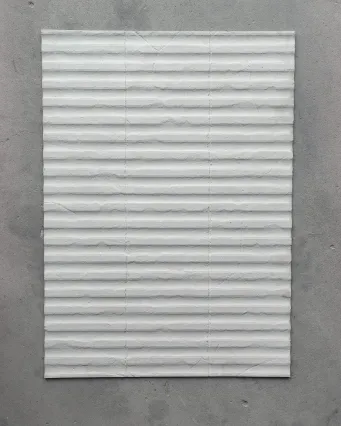
Let's cut to the chase: Weather resistance isn't just about "staying intact"—it's about maintaining appearance, structural integrity, and performance over decades. Let's break down how Century Stone holds up against the most common weather challenges.
Ever noticed how some outdoor stones or paints start to look dull or discolored after a few years? That's UV radiation breaking down pigments and surface layers. Century Stone, though, is built to fight back. Most reputable century stone suppliers subject their products to accelerated UV testing—think exposing samples to intense artificial sunlight for thousands of hours to simulate decades of real-world exposure. The results? Minimal color change, often less than 5% even after 20 years of typical sun exposure. Compare that to some natural sandstones, which can fade by 15-20% in just 5 years in sunny climates like Saudi Arabia or Arizona.
Why does it hold up so well? The resin binder in Century Stone acts like a protective shield, locking in the natural pigments from the stone aggregates. Plus, the manufacturing process ensures the color runs throughout the material, not just on the surface. So even if there's minor wear, the color underneath matches—no ugly "patches" or uneven fading.
Water is stone's worst enemy. It seeps into pores, freezes in cold weather (expanding and cracking the stone), and breeds mold or mildew. Century Stone addresses this with its low porosity. Unlike porous natural stones like limestone (which can absorb up to 10% of its weight in water), Century Stone typically has a porosity of less than 1%. That means water beads up and runs off instead of soaking in.
But don't just take my word for it. Let's look at freeze-thaw testing—one of the toughest durability tests for building materials. Samples are soaked in water, frozen solid, then thawed, repeated over 100 cycles. Most Century Stone products come through with no visible damage: no cracks, no spalling (flaking), and minimal strength loss. That's a game-changer for homes in cold climates, where winter weather can wreak havoc on lesser materials.
Humidity is another factor, especially in tropical or coastal areas. Thanks to its low water absorption, Century Stone resists mold and mildew growth. You won't find those black or green stains that plague porous stones in humid basements or covered patios. Just a quick wipe-down now and then, and it stays fresh.
Materials expand in heat and contract in cold—that's basic physics. But too much expansion/contraction leads to warping, cracking, or loose panels. Century Stone's engineered composition gives it a low thermal expansion coefficient, meaning it doesn't "move" as much as other materials when temperatures swing.
Take desert climates, for example. In places like Riyadh, daytime temperatures can hit 50°C (122°F), then drop to 20°C (68°F) at night. That's a 30°C swing in a few hours. Century Stone handles this without warping because the resin and stone aggregates expand and contract at similar rates, preventing internal stress. On the flip side, in places like Canada or Scandinavia, where temperatures can plunge to -30°C (-22°F), the material's flexibility (yes, even stone can have a little give!) helps it withstand the cold without becoming brittle.
Coastal areas have their own challenge: salt spray. Salt is corrosive, and it can eat away at stone surfaces over time. Century Stone's dense surface resists salt penetration, making it a top choice for beachfront homes or coastal commercial buildings. In fact, many century stone solutions are specifically marketed for coastal applications, with testimonials from homeowners who've had their facades up for 15+ years with zero salt damage.
Then there's urban pollution—acid rain, exhaust fumes, and industrial chemicals. These can etch or discolor natural stones, but Century Stone's non-reactive surface is resistant to most mild acids and alkalis. A study by a leading building materials lab found that Century Stone exposed to simulated acid rain (pH 4.0) for 1000 hours showed less than 0.1% weight loss, compared to 2-3% for untreated marble.
Lab tests are great, but nothing beats real-world experience. Let's look at a few examples of Century Stone in action across different climates.
Case 1: A Beachfront Home in Florida – This home, built in 2010, used Century Stone for its exterior walls and patio. Located just 500 meters from the ocean, it's exposed to salt spray, high humidity, and intense sun year-round. When the homeowners had it inspected in 2023, the stone looked nearly new: no fading, no cracks, and no salt deposits. The only maintenance? Occasional rinsing with a garden hose.
Case 2: A Commercial Plaza in Chicago – Chicago's known for harsh winters (freezing rain, snow) and hot, humid summers. The plaza's facade, installed in 2015 with Century Stone panels, has weathered seven Chicago winters with zero repairs needed. The property manager noted, "We used to have to replace natural stone tiles every 3-4 years because of cracking. With Century Stone, we haven't touched a single panel—best investment we made."
Case 3: A Desert Villa in Dubai – Dubai's desert climate means scorching sun (up to 55°C in summer) and occasional sandstorms. A villa built with Century Stone in 2018 still has vibrant, uniform color, and the stone has resisted scratching from blowing sand. The owner, a local architect, said, "I wanted something that wouldn't fade or degrade in the sun, and Century Stone delivered. Even the installers were impressed by how easy it was to work with compared to natural stone."
Okay, so Century Stone is tough—but like any material, it needs a little TLC to stay in top shape. The good news? Maintenance is simple, and you don't need fancy tools or professional services. Let's break it down into daily, regular, and deep cleaning.
For day-to-day upkeep, all you need is a soft cloth, a feather duster, or a microfiber mop. Dust and dirt can build up over time, making the stone look dull, so a quick wipe-down once a week is usually enough. If there's light dirt or pollen, use a damp (not soaking wet) cloth with plain water. Avoid using abrasive sponges or scouring pads—they can scratch the surface, even if it's tough.
Pro tip: For outdoor surfaces like patios or facades, a gentle spray with a garden hose (no high pressure!) every couple of weeks will rinse away dust and debris. Just make sure the water pressure is low—high-pressure washers can damage the grout between panels or etch the stone's surface over time.
Every few months, give your Century Stone a deeper clean to tackle any stubborn dirt or grime. Here's how:
This simple routine will keep your Century Stone looking fresh and prevent buildup that's harder to remove later.
Even with care, accidents happen—oil spills from the grill, bird droppings, or rust from metal furniture. The key is to act fast—the longer a stain sits, the harder it is to remove. Here's how to handle common stains:
| Stain Type | Cleaning Method | What to Avoid |
| Oil/Grease (cooking oil, automotive oil) | Blot up excess oil with a paper towel. Mix baking soda with water to make a thick paste, apply to the stain, and let sit for 10-15 minutes. Gently scrub with a soft brush, then rinse. | Don't use solvent-based cleaners (like paint thinner)—they can damage the resin. |
| Organic Stains (bird droppings, leaves, food) | Mix equal parts water and hydrogen peroxide (3% concentration), apply with a cloth, let sit 5 minutes, then rinse. For stubborn stains, repeat. | Avoid bleach—it can discolor the stone, especially darker shades. |
| Rust Stains | Use a commercial rust remover designed for stone (look for ones with oxalic acid, which is safe for engineered stone). Follow the instructions, rinse thoroughly, and neutralize with a baking soda and water solution. | Don't use wire brushes or abrasive tools—they'll scratch the surface. |
| Mold/Mildew | Mix 1 part white vinegar with 4 parts water, spray on the area, let sit 10 minutes, then scrub gently and rinse. The vinegar kills mold without harsh chemicals. | Don't leave vinegar on too long—it's slightly acidic and can damage the surface if left for hours. |
Even with the best intentions, it's easy to make missteps. Here are a few things to steer clear of:
At this point, you might be thinking, "This all sounds great, but is Century Stone more expensive than other options?" The short answer: Maybe upfront, but it pays off in the long run. Think about it—natural stone often requires sealing every 1-2 years (adding to maintenance costs), and you might need to replace damaged tiles every 5-10 years. Century Stone, with its low maintenance and 50+ year lifespan, ends up being more cost-effective over time.
Plus, working with a reliable century stone supplier means you get more than just materials. Many suppliers offer custom sizing, color matching, and even installation guidance to ensure your project goes smoothly. Whether you're building a new home, renovating a commercial space, or just updating your patio, century stone solutions can be tailored to your style and needs—from modern, sleek finishes to rustic, natural-looking textures.
And let's not forget curb appeal. A well-maintained Century Stone facade or patio adds value to your property. Potential buyers notice durable, low-maintenance features, and Century Stone checks both boxes. It's not just a building material—it's an investment in your home's future.
When you choose building materials, you're not just choosing something to look at—you're choosing something to protect your home, reflect your style, and stand up to the elements for decades. Century Stone does all that and more. Its impressive weather resistance—against UV rays, rain, temperature swings, and pollution—makes it a top choice for any climate. And with simple, straightforward maintenance, it stays looking great year after year.
Whether you're a homeowner planning a renovation or a contractor looking for reliable materials for your clients, partnering with a trusted century stone supplier ensures you get a product that delivers on its promises. After all, the best building materials aren't just about strength—they're about peace of mind. And with Century Stone, that's exactly what you get.
So, if you're ready to invest in a material that combines beauty, durability, and easy care, Century Stone might just be the perfect fit. Your future self (and your home) will thank you.
Recommend Products












