
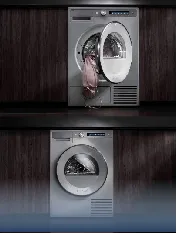
Picture this: you're loading the dishwasher after dinner, tossing workout clothes into the washing machine, or grabbing a cold drink from the refrigerator. These everyday moments connect us to appliances we depend on without a second thought. But behind that stainless steel exterior lies an invisible revolution – the RoHS directive. Born in the European union but affecting global manufacturing, this regulation targets hazardous substances hiding in our most trusted home appliances .
You might wonder why chemicals in your blender or microwave matter. Consider this: when electronic waste piles up in landfills, lead from circuit boards can seep into groundwater, cadmium from batteries powns soil, and mercury escapes into the air we breathe. RoHS (Restriction of Hazardous Substances) acts as a guardian – not against the appliances themselves, but the toxic secrets they might carry.
Real impact: A 2019 study found nearly 50% of household electronics violated RoHS standards. One brand of coffee makers contained cadmium levels exceeding limits by 300% – a silent contaminant touching your morning brew.
RoHS doesn't play favorites – it goes after ten key offenders. Let's demystify these chemicals as if we're examining suspects in a lineup:
Ever notice how new appliances have a distinct "electronics smell"? That's often phthalates off-gassing – RoHS-regulated chemicals evaporating from warm circuits during your first pizza bake.
Compliance isn't just paperwork – it redesigns products from the inside out. Let's peek into modern washing machines:
Before RoHS: Control boards used lead-tin solder, drum heaters contained cadmium compounds, PVC wiring used DEHP plasticizers, and flame-retardant casings contained PBBs.
After RoHS: Manufacturers switched to silver-copper solder, ceramic heating elements, silicone-insulated wires, and phosphate-based flame retardants. The result? A slightly pricier but fundamentally safer appliance that won't poison groundwater when discarded.
Innovation spotlight: Samsung's EcoBubble technology emerged directly from RoHS constraints. By eliminating chrome-plated heating elements, they developed cold-water cleaning systems that save energy AND avoid restricted chemicals.
Meeting RoHS standards feels like assembling IKEA furniture blindfolded – complex but possible. Here's how manufacturers navigate it:
Tracing every component back to raw materials. That rubber door seal? Must verify the zinc didn't come from cadmium-contaminated ore.
Handheld XRF analyzers scan circuit boards like airport security, detecting restricted metals in seconds. Failed tests trigger supplier investigations.
Maintaining a "technical file" proving compliance – including material declarations, test reports, and conformity assessments. Missing a single capacitor's documentation? That's a recall waiting to happen.
That CE logo on appliance backs? More than decoration – it's a legally binding promise of compliance. Counterfeit marks carry heavier fines than narcotics trafficking in some EU states.
Small manufacturers often stumble at supplier verification. One German dishwasher company nearly collapsed after discovering their Chinese valve supplier secretly used leaded brass. The cost to retrofit 8,000 units? €1.3 million – a harsh lesson in supply chain distrust.
Rather than resisting regulation, forward-thinking brands harness RoHS for competitive advantage:
Circular Design Revolution: Bosch now designs washing machines with modular circuit boards. Why? Lead-free solder allows easier disassembly and component reuse – impossible with toxic materials requiring specialized recycling.
Chemistry Breakthroughs: Panasonic's shift from mercury LCDs to LED displays birthed energy-saving technologies now used in their entire TV lineup – proving regulation drives efficiency.
Consumer Trust: LG's "RoHS Certified" labels now appear beside energy star ratings. Their research shows 68% of European buyers consider chemical safety as important as energy efficiency when choosing appliances.
Future gaze: Emerging nanomaterials like graphene and silver nanowires promise to replace restricted substances entirely. Your next refrigerator might cool food using graphene transistors instead of mercury-containing sensors.
Regulations like RoHS succeed when consumers wield informed choices. Here's how you become part of the solution:
The next time your washing machine hums at midnight or your fridge keeps ice cream perfectly frozen, remember: behind that reliability lies an invisible shield against hazardous substances. RoHS proves environmental protection and modern convenience aren't enemies – they're partners creating appliances we can trust with our health and planet.
Recommend Products












