

Basic replacement
≈ $150,000
- Standard materials
- Mid-range features
- Non-peak installation

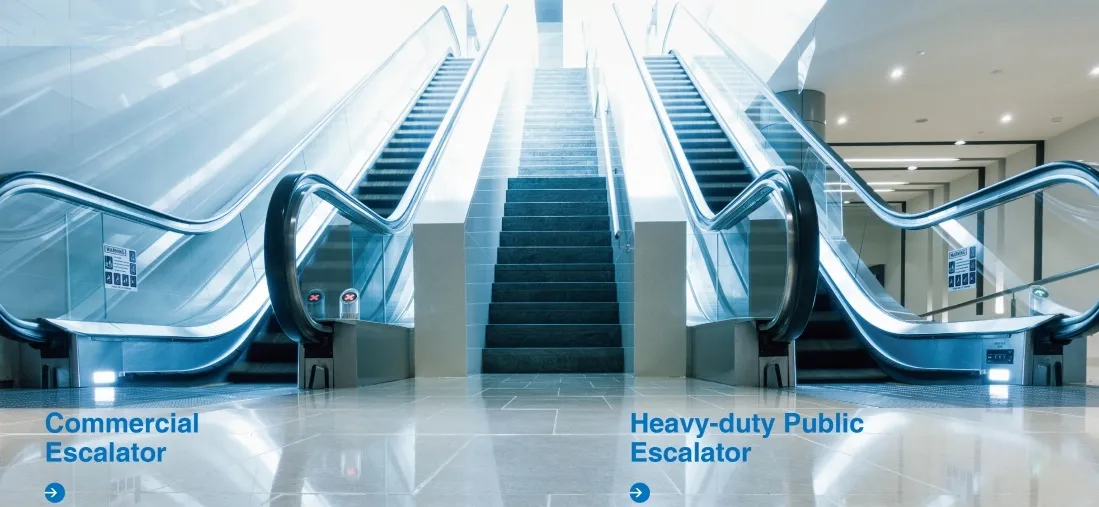
You've probably ridden one today without a second thought – that moving staircase ferrying crowds in shopping centers, airports, and transit hubs. But behind those humming steps lies a complex financial ecosystem keeping them operational. Let's pull back the curtain on the true costs of commercial escalators, because whether you're a facility manager budgeting next year's expenses or a developer planning new construction, understanding these numbers isn't just helpful – it's essential for sustainable operations.
Commercial escalators consume resources through three primary channels:
Those moving steps don't power themselves. A typical commercial escalator running 12 hours daily consumes 7,500-15,000 kWh annually – equivalent to powering 4-8 average American homes. Why such variation? Three factors dominate:
Seasoned facilities director Michael Torres shared this wake-up call: "We discovered our airport's 32 escalators accounted for 11% of our total energy bill – more than all lighting systems combined. Implementing variable-frequency drives paid back in 26 months."
Think of maintenance as the immune system of escalator operations. Regular check-ups prevent catastrophic failures. The typical annual maintenance contract runs $3,000-$12,000 per unit, covering:
| Service | Frequency | Cost Range | Criticality |
|---|---|---|---|
| Step inspections | Monthly | $150-$300 | ⭐️⭐️⭐️⭐️⭐️ |
| Drive system lubrication | Quarterly | $400-$800 | ⭐️⭐️⭐️⭐️ |
| Safety system tests | Biannual | $700-$1,200 | ⭐️⭐️⭐️⭐️⭐️ |
Jen Chen, a mall operations VP, learned this lesson brutally: "We deferred chain replacements to save $25,000. When a chain failed during holiday shopping, emergency repairs cost $83,000 plus three days of shopper frustration – a textbook false economy."
Like all mechanical systems, escalators have expiration dates. After 15-20 years service life, renewal decisions become unavoidable. Commercial units typically range $100,000-$500,000 installed – a wide variance determined by:
≈ $150,000
≈ $450,000
Renewal cycles present hidden costs too. Boston's transit authority found temporary stairs during escalator replacements caused 18% increased congestion and 12% reduced station throughput – economic impacts rippling beyond the immediate project budget.
The Midtown Galleria presents a revealing before/after snapshot (2018-2023):
"The transition wasn't cheap," admits facilities director Elena Rodriguez. "We invested $220,000 upfront. But with 2.7-year payback period and enhanced shopper experience? Absolutely justified. People don't notice escalators until they stop working."
The future of escalator economics is evolving through three key innovations:
IoT sensors now monitor vibration patterns and component temperatures in real-time. The Chicago Transit Authority's pilot program demonstrated how early fault detection creates huge savings:
Modern drives now capture descent energy similar to hybrid vehicles. Hong Kong's MTR system reports regenerative units convert 15-30% of downward movement into reusable electricity – enough to power adjacent lighting systems. As sustainability requirements tighten, this technology transitions from luxury to necessity in commercial flooring systems integration.
When examining your operations, consider these actionable strategies:
As Toronto facilities consultant David Kim observes: "Escalator costs resemble icebergs – most organizations only see the 20% above water. Truly understanding the 80% beneath separates financially healthy facilities from those constantly battling budget overruns. The moving staircase may be simple mechanically, but managing it economically demands sophistication."
Recommend Products










