

Imagine stepping into a newly constructed building where walls look like solid wood but never warp, moisture doesn't compromise structural integrity, and maintenance is virtually non-existent. This isn't a fantasy—it's the reality offered by Wood-Plastic Composite (WPC) wall panels. As a professional building consultant specializing in innovative construction materials, I've witnessed how WPC transforms projects by merging beauty with brawn.
But here's the crucial question most architects never ask until it's too late: Can these modern materials truly handle heavy loads and stress? This article isn't just about the what of WPC—it's about the how, especially when it comes to their load-bearing capacities for architectural applications like wall cladding systems. We're going beyond marketing fluff to analyze concrete requirements for pendants and fixing systems based on experimental data and real-world applications.
Core Understanding: WPC isn't traditional wood or cheap plastic—it's an engineered hybrid combining wood fibers with polymer resins. This creates materials that outperform both parents: delivering wood's warmth while rejecting its weaknesses.
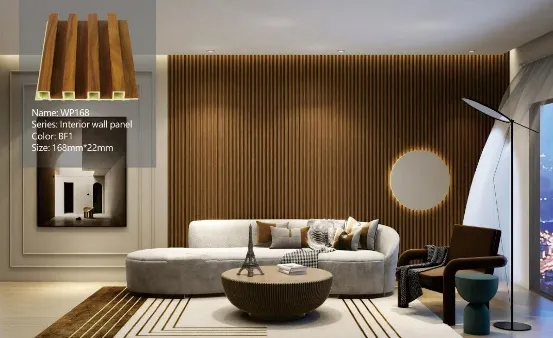
Research from multiple studies consistently proves that properly installed WPC panels are up to serious structural tasks:
But these numbers come with asterisks—improper fixing systems can reduce capacity by up to 60%! That beautiful wall panel isn't weak; it's your mounting hardware and strategy that might be failing it.
| Test Parameter | Standard Timber | Standard WPC | WPC w/ Steel Reinforcement |
|---|---|---|---|
| Max Load Capacity | 28 kN/m | 40.3 kN/m | 48 kN/m |
| Deformation at Failure Point | 9.2 mm | 12.07 mm | 20.4 mm |
| Moisture Absorption | High (12-25%) | Low (0.5-3%) | Negligible |
Where installations really succeed is when designers treat WPC like the unique material it is—not "plastic wood" but a composite requiring its own specific engineering approaches. I've seen gorgeous architectural façades ruined by contractors using conventional wood-mounting techniques. The material performs brilliantly when we respect its nature.
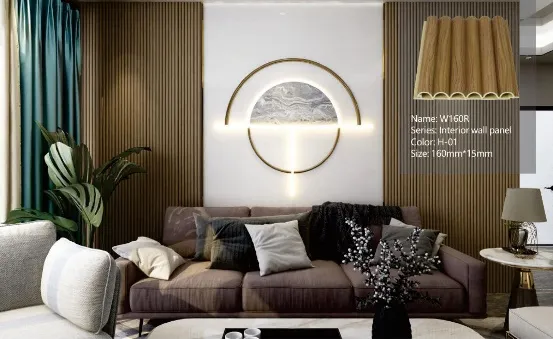
The magic happens at the junction—where your panel connects to the structural frame. Based on my field experience and lab studies, here are non-negotiable requirements:
Projects in coastal Florida taught me brutal lessons about fastener failure. Salt air reduced carbon steel mounts to rust dust in 14 months, while correctly specified stainless systems show zero degradation after six years. This isn't theoretical—your fixing system selection directly translates to safety in hurricane zones.
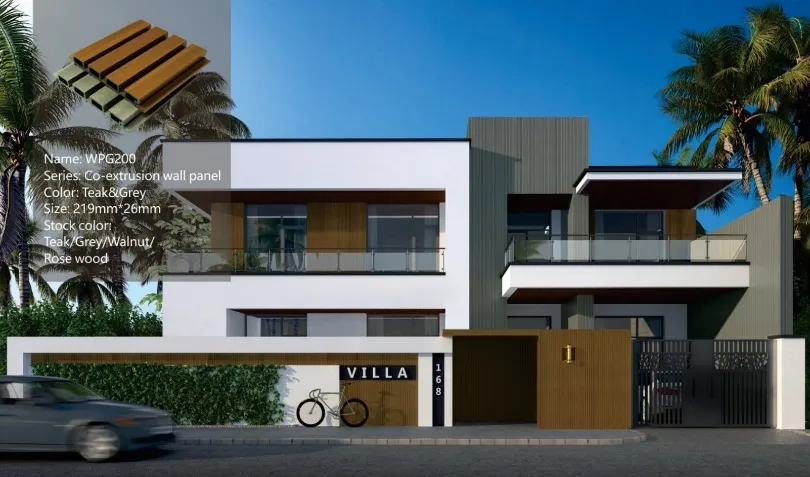
The science is clear, yet I continuously encounter three critical mistakes:
1. The Foundation Fallacy
Contractors love their "quick-dry" concrete substrates without understanding WPC's unique requirements. Always:
2. Seismic Negligence
In earthquake zones, pendulum resonance becomes dangerous. Solutions include:
3. Thermal Blindness
That beautiful dark panel on a Texas summer afternoon expands significantly more than the installer accounted for. Always calculate your specific:
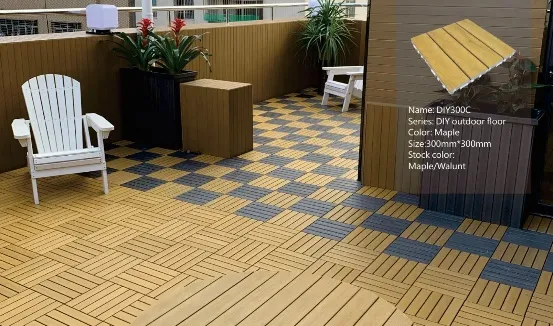
Forward-thinking projects aren't just using WPC—they're engineering with hybrid systems incorporating:
I recently consulted on a high-rise project where WPC formed the exterior skin, but the real magic was inside—hollow cavities filled with aerogel insulation and moisture-sensing IoT modules. This isn't just wall cladding; it's intelligent environmental management.
Designer Insight: The most successful projects treat WPC not as a cheaper alternative, but as a premium material with unique capabilities worth engineering properly. Your pendants aren't just hardware—they're the critical translation layer between architectural vision and physical reality.
Through all the technical data, remember that great WPC installations achieve three human outcomes:
The load-bearing capacity question ultimately matters because people inhabit these spaces. When that beautifully paneled wall performs flawlessly after decades, when occupants never worry about sagging or failure—that's the real measure of success. And it all comes back to respecting WPC's nature, understanding its requirements, and installing it with the careful planning this revolutionary material deserves.
Your wall panel system isn't just hanging decor—it's creating legacy. Approach it with the respect that requires.
Recommend Products











