
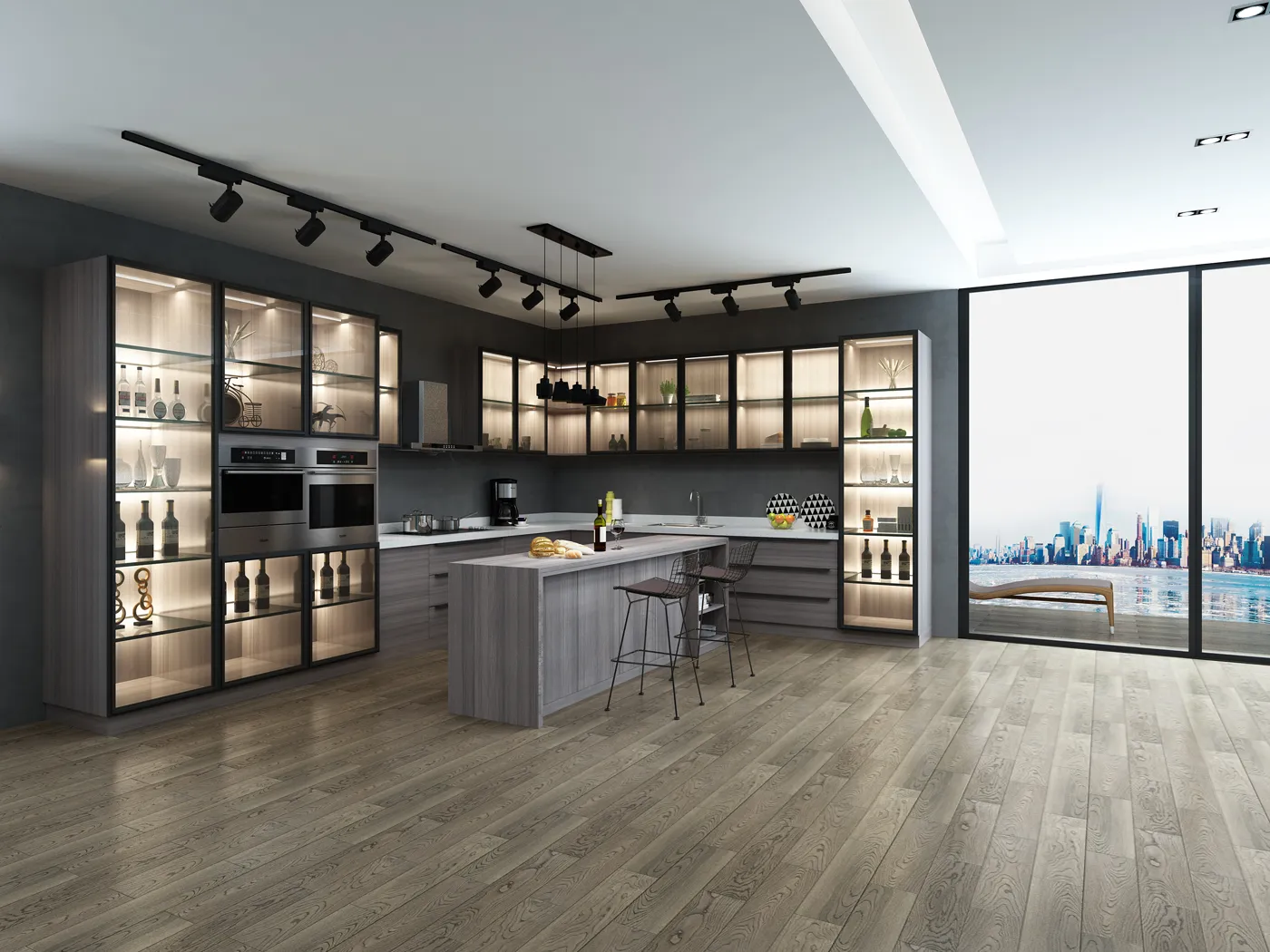
Picture this: You're wiping down your kitchen cabinets after cooking dinner, just like you do every night. But what if I told you that even after all that scrubbing, bacteria are throwing a non-stop party on those surfaces? Kitchen cabinets are like the forgotten frontiers of home hygiene - we focus on countertops and sinks, but bacteria love lurking in the cracks and crevices of cabinet surfaces, especially around handles and joints. That's where antibacterial coating technology becomes a total game-changer.
Traditional cleaning methods are basically a temporary ceasefire in the microbial war. You wipe, bacteria retreat, and two hours later they're back like unwanted guests. Antibacterial coatings? They're like installing a 24/7 security system against microbes. These innovative surface treatments create an environment where bacteria simply can't survive long-term. Imagine cutting your kitchen cleaning time in half while actually getting better results - that's the promise of this tech.
What makes kitchen cabinets such a perfect application? First, they're constantly exposed to moisture from steam, spills, and cleaning. Second, we handle them multiple times daily, transferring microbes from our hands. And third, their complex geometry creates countless hiding spots for pathogens. As one researcher put it: "If bacteria could design their dream vacation home, it would look remarkably like your kitchen cabinetry."
Let's break down the science without putting you to sleep. Most antibacterial coatings use one of three approaches: metal ion releasers (like silver or copper), photocatalytic materials (usually titanium dioxide), or functional polymers that shred bacterial membranes on contact. The silver-based ones are particularly clever - they release ions so slowly that the effect lasts for years, not weeks.
Here's where it gets interesting: The effectiveness isn't just about killing bacteria instantly. It's about creating what microbiologists call a "biostatic environment" - conditions where microbes can't multiply effectively. Think of it as birth control for bacteria. Even if a few survive, they can't start a family on your cabinet surfaces.
The real breakthrough came when researchers cracked the adhesion challenge. Earlier versions would flake off or lose potency after harsh cleaning. Modern formulations bond at a molecular level with wood, laminate, and especially popular custom kitchen cabinets. That molecular marriage creates a permanent antibacterial fortress while maintaining that gorgeous woodgrain appearance everyone loves.
While the hygiene benefits get all the attention, these coatings deliver some serious bonus perks:
Scent Savers: That funky "old kitchen" smell? Often caused by bacterial metabolic byproducts. Coated cabinets simply don't develop those odors over time. Several hotel chains reported a 70% reduction in kitchen odor complaints after retrofitting cabinets.
Preservation Power: For wood cabinets, coatings inhibit mold growth that causes warping and discoloration. Real-world data shows treated cabinets maintain their structural integrity 40% longer in humid environments.
The Allergy Angle: Early studies suggest reduced bacterial load correlates with lower allergen buildup. For families with allergy sufferers, this could be a minor revolution in kitchen design.
And here's the kicker - restaurant kitchens using coated cabinets reported 22% fewer employee sick days. Turns out, keeping microbes in check has ripple effects throughout the entire kitchen ecosystem.
The Copenhagen School of Design has become an unexpected testing ground. They equipped student kitchenettes with treated cabinets and took weekly swabs. Results were mind-blowing: 98.7% reduction in E. coli compared to control units. But even more telling? The cleaning staff reported spending 55% less time on cabinet maintenance.
Chicago's Urban Soup Kitchen provides another compelling case study. After retrofitting their cabinets with antimicrobial surfaces two years ago, routine health inspections show consistently perfect sanitation scores - a first in their 15-year history. "We went from having weekly bacteria battles to nearly forgetting about surface hygiene concerns," reports their facilities manager.
Residential applications show equally impressive results. A Tokyo study tracked 50 families who installed coated cabinets. 94% reported cooking more frequently because "the kitchen just feels cleaner," while 87% said they'd never go back to untreated surfaces. One participant joked, "My cabinets are now cleaner than my cutting boards."
Before we declare victory over cabinet bacteria, there are legit hurdles to address:
The Longevity Question: While manufacturers promise 5+ years of protection, real-world validation is limited. Accelerated aging tests look promising, but kitchens aren't laboratories. How these coatings handle decades of repeated cleaning and seasonal humidity swings remains unanswered.
Eco-Impact Uncertainties: Silver nanoparticles raise environmental concerns when cabinets eventually get landfilled. Several EU countries are already discussing regulations. The next-gen coatings shifting toward organic biocides could solve this.
The Perception Problem: The term "antimicrobial" triggers memories of ineffective antimicrobial additives in products from socks to phone cases. Convincing consumers this time it's different requires transparent testing data.
Cost remains the elephant in the room too. Current treatments add 15-30% to cabinet prices. Like solar panels a decade ago, prices need to fall before widespread adoption. Some innovative companies are exploring DIY application kits that could democratize the technology.
Imagine coatings that don't just kill bacteria but communicate with you. Emerging "smart" formulations change color when microbial activity reaches concerning levels - basically a bacterial alarm system for your cabinetry. Early prototypes from MIT are shockingly precise.
Self-healing surfaces represent another frontier. Microscopic polymer chains that repair minor scratches could maintain antibacterial integrity for decades. Think of it like Wolverine's healing factor, but for your kitchen cabinets.
Perhaps the most exciting development integrates antibacterial properties directly into cabinet manufacturing. Instead of surface coatings, materials like SPC flooring technology (known for durability and water resistance) are being modified with biostatic properties during production. The result? Cabinets where antibacterial protection isn't an add-on, but part of their DNA from day one.
One thing's for sure: As health awareness grows and material science advances, antibacterial kitchen cabinets will shift from luxury to standard expectation - just like non-stick pans did generations ago.
Some folks dismiss antibacterial coatings as just another marketing gimmick. But consider this: We spend thousands on water filters to protect what goes into our bodies while neglecting the surfaces that food touches daily. That disconnect is ending.
The rise of antimicrobial awareness accelerated during the pandemic. We're now accustomed to thinking about surfaces differently. When people realize they're installing new cabinets anyway, adding antibacterial protection feels like obvious value-add.
Regulatory tailwinds are developing too. Health departments are catching on. California's updated food safety guidelines now specifically mention "intervention technologies for difficult-to-clean surfaces." While not mandating antibacterial cabinets yet, that language signals where standards are heading.
For homeowners and commercial kitchens alike, it's becoming clear: Antibacterial cabinet coatings aren't just cleaner surfaces - they're peace of mind you can touch every time you grab a coffee mug. And in an era obsessed with wellness, that intangible benefit might be the most valuable feature of all.
Recommend Products












