
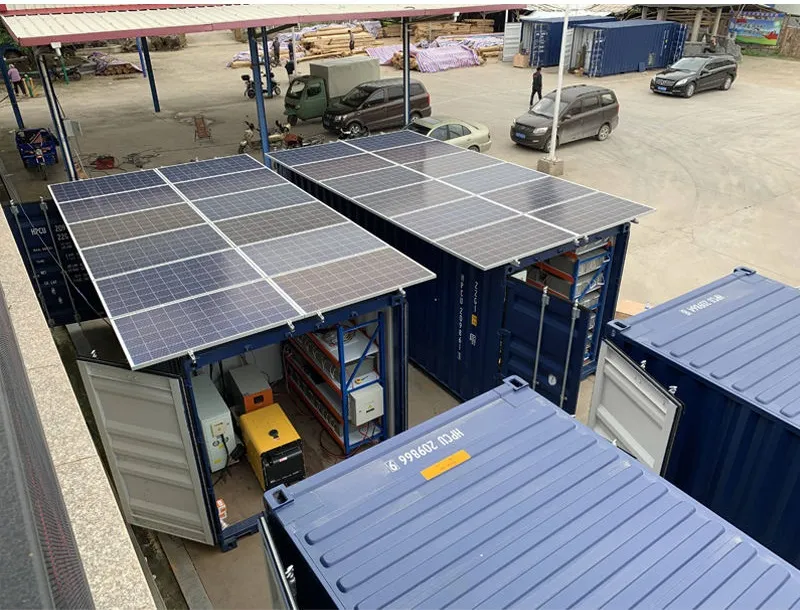
Picture this: A mid-sized German manufacturing plant powers its operations entirely through solar panels on its rooftop, secured not by traditional utility bills but through a specialized contract called a Power Purchase Agreement (PPA). This scenario is becoming increasingly common across Europe, where solar PPAs have evolved from niche financing tools to mainstream energy solutions. As renewable energy subsidies phase out and corporations chase sustainability goals, PPAs provide the backbone for solar project financing while transforming how businesses consume energy.
At their core, solar PPAs are more than just contracts – they're risk management frameworks that balance the intermittent nature of solar generation with corporate energy needs. Unlike conventional electricity contracts, they directly connect power producers with consumers through intricate legal and technical arrangements. This article will demystify the technical terms that govern these agreements, using plain language to explain how these contracts make Europe's solar revolution possible.
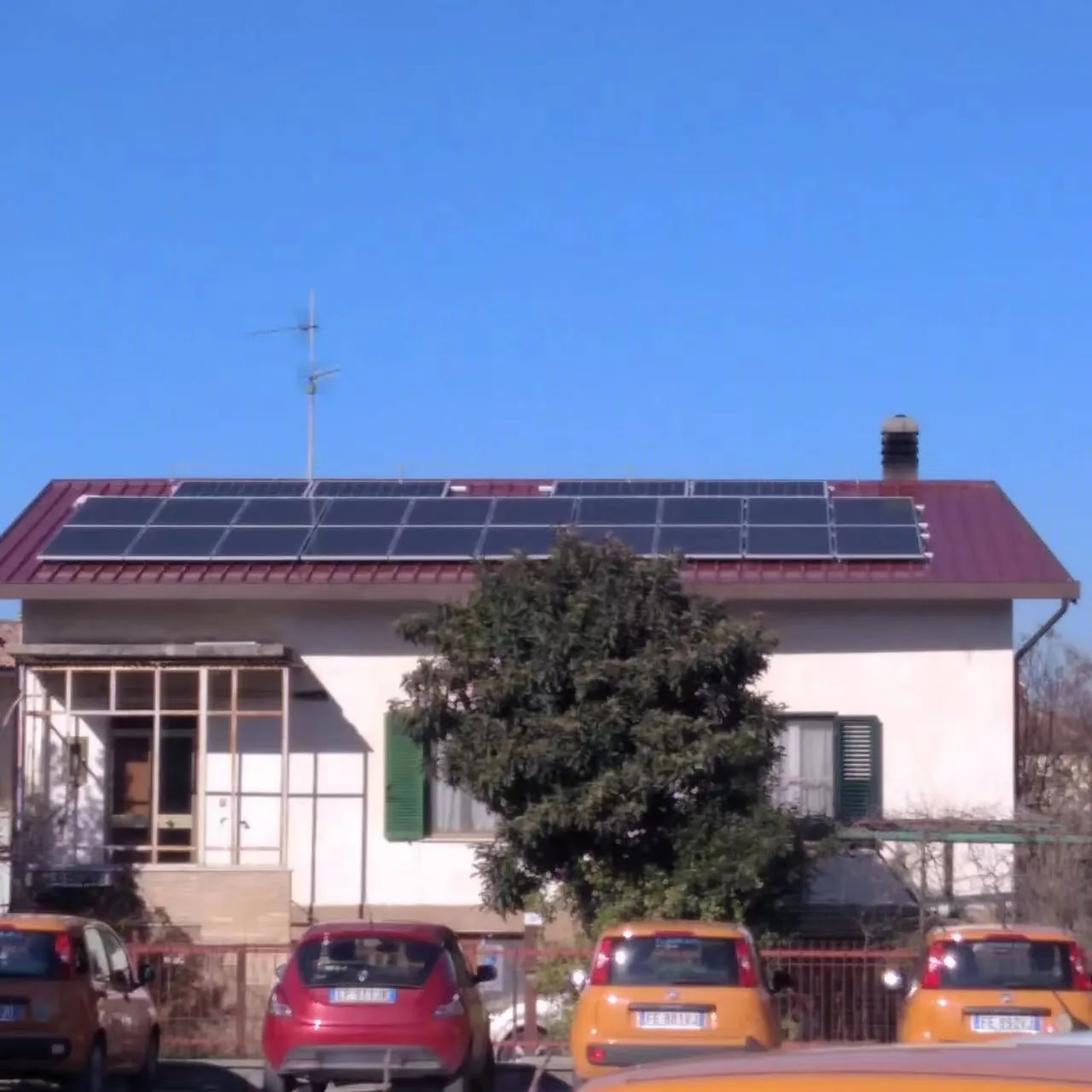
Every solar PPA acts like a customized bridge between panels and power sockets, with its structure determining how risks and rewards flow between parties. Here's what defines them:
| Structure Type | How It Works | Real-World Application |
|---|---|---|
| Physical PPA | Direct energy transfer from solar farm to user through grid connection | On-site industrial plants with rooftop installations |
| Virtual PPA | Financial settlement based on power market prices without physical transfer | Multinational corporations offsetting consumption across borders |
| Sleeved PPA | Third-party utility handles balancing between production and consumption | Smaller businesses needing technical support |
| Cross-Border PPA | Solar project in one country, consumption in another with virtual settlement | Swedish company using Spanish solar generation |
Solar energy's intermittent nature creates one of the biggest challenges in PPA structuring – syncing sunny-day production with round-the-clock consumption. How contracts address this reveals their sophistication:
As-Produced Structures: The buyer takes all solar output, regardless of their current energy needs. Imagine a cloudy Monday where your factory runs machines at full capacity but your rooftop panels produce minimal power – you'd pay premium prices for grid electricity to cover the shortfall. Alternatively, during sunny weekends when production exceeds consumption, you might flood local grids or accept losses from curtailed energy.
Baseload Transformation: Here, the seller converts erratic solar generation into predictable hourly supply using batteries or other solar projects. Your factory gets steady power like clockwork, but you pay extra for the technical gymnastics required to "smooth" solar curve volatility. This approach uses advanced building materials like specialized energy storage systems to maintain consistent delivery.
As-Forecasted Systems: These use sophisticated weather modeling to project next-day solar yield, allowing buyers to adjust operations accordingly. For example, an automotive manufacturer might schedule energy-intensive paint-drying processes during predicted peak solar hours. Accuracy matters – poor forecasting creates imbalance charges that erode savings.
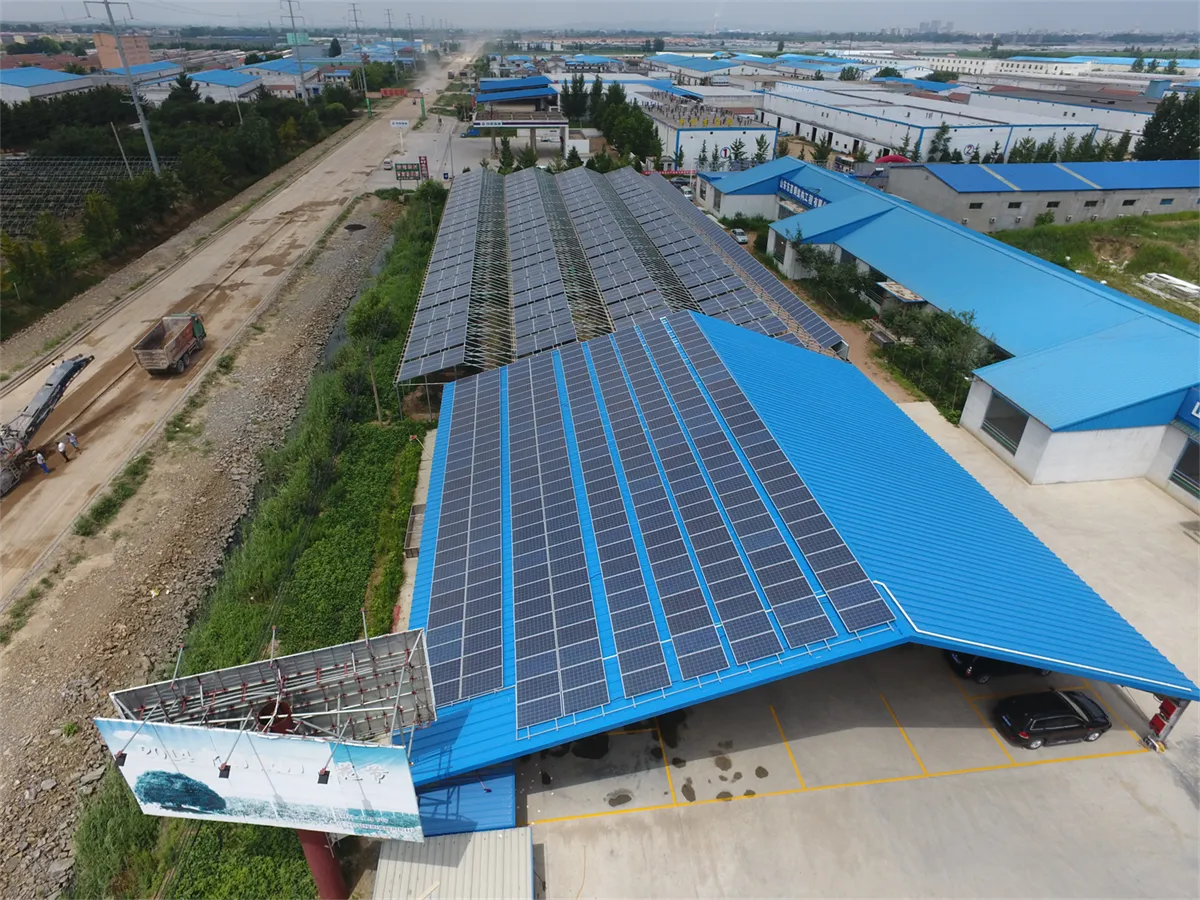
Walk into any European solar PPA negotiation and you'll hear financiers and energy managers discussing "collars," "floors," and "pay-as-produced" mechanisms. These terms form the heart of contract economics:
| Term | Definition | Risk Allocation |
|---|---|---|
| Floor/Cap | Minimum/maximum price boundaries | Developer protected from price crashes; corporate hedges against spikes |
| Collar PPA | Combined floor and cap price corridor | Balanced risk-sharing for both parties |
| Clawback Mechanism | Seller recoups losses when prices rebound | Corporate benefits in volatile markets while developer recovers dips |
| Escalator Pricing | Annual price increases (typically 2-3%) | Developer protection against inflation; predictable corporate budgeting |
| Hybrid Models | Blend fixed and market-based components | Developer gets bankability; corporate shares market upside |
Corporate energy managers frequently request "Baseload" structures that provide stable hourly electricity patterns, despite the significant mismatch with solar's natural generation curve. Sellers able to deliver this via innovative battery integration or portfolio blending command premium pricing.
During the 2022 energy crisis, many buyers with floating price PPAs faced financial distress while those with collars or fixed pricing structures maintained budget stability. As one Italian energy manager noted: "Our collar structure became our financial life jacket when prices quadrupled overnight."
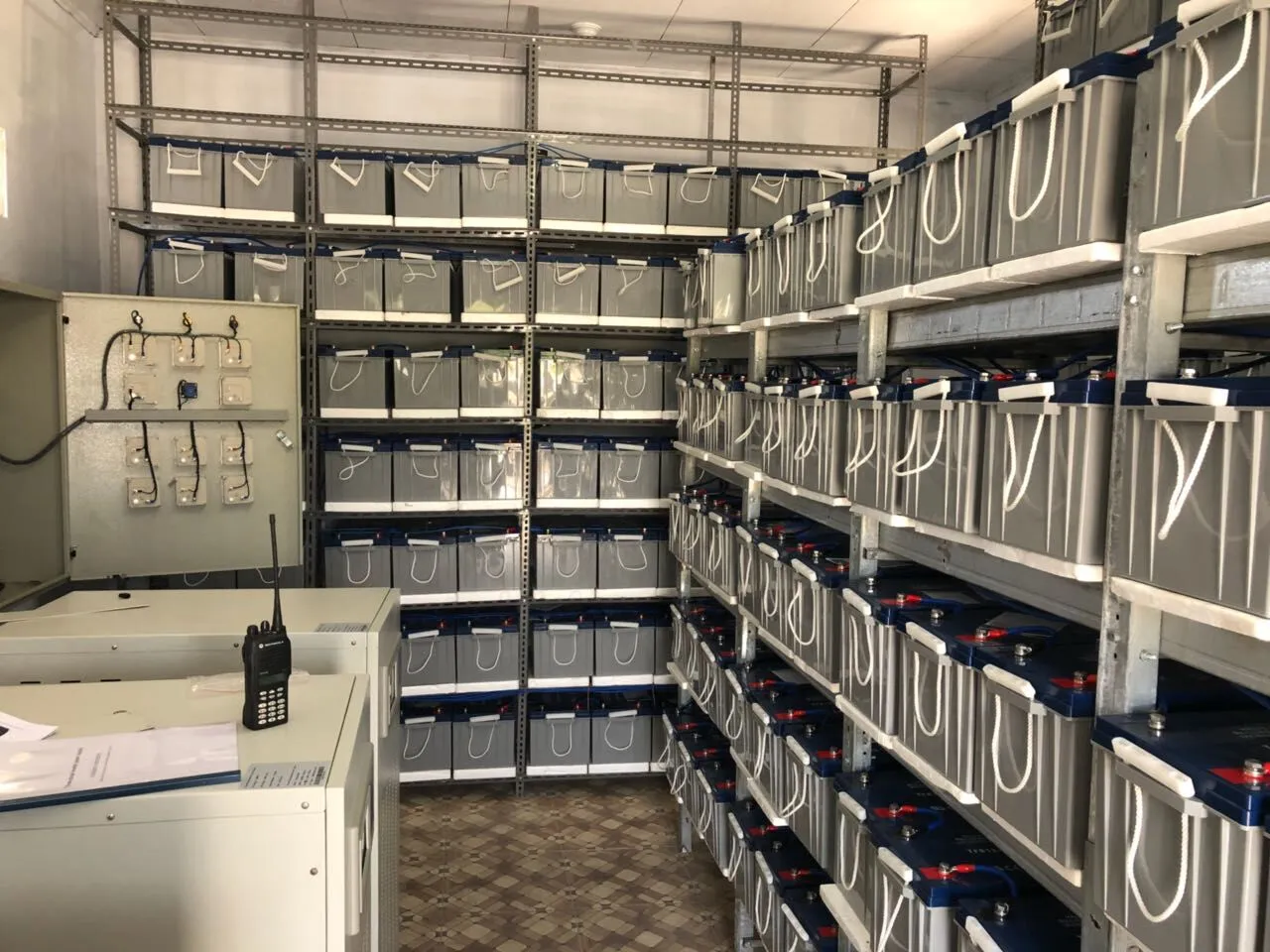
The evolution of solar panels isn't just technical – it's reshaping PPA contracts themselves:
Where conventional solar sits atop existing structures, cutting-edge Building-Integrated Photovoltaics (BIPV) embed panels directly into roofing, wall panels, or even windows. These installations raise unique PPA considerations:
These architectural façades have enabled solar integration in protected historical districts across cities like Barcelona and Prague, transforming regulatory challenges into showcase projects through customized PPAs.
The integration of lithium-ion and flow batteries has birthed "Time-of-Use PPAs" – contracts recognizing that 7 PM solar energy stored for 7 AM demand carries premium value. These arrangements frequently include:
| Battery Function | PPA Innovation | Commercial Advantage |
|---|---|---|
| Price Arbitrage | Differential pricing for peak/off-peak periods | Buyers shift consumption patterns to maximize savings |
| Grid Services | Revenue-sharing from frequency regulation | Additional income stream lowers overall PPA price |
| Backup Power | Uptime guarantees with financial penalties | Premium PPA pricing for mission-critical applications |
The Challenge: A German automaker needed 24/7 renewable power for its Bavarian assembly plant but lacked sufficient roof space. Their solution? A cross-border virtual PPA with a 200 MW solar farm in Extremadura, Spain.
Contract Innovation: The parties negotiated:
Outcome: The automaker secured fixed-price renewables at €48/MWh – 30% below local alternatives – while the developer obtained financing through a 12-year commitment. This exemplifies how technical PPA terms unlock solutions impossible under traditional electricity contracts.
Europe's solar boom has spawned specialized PPA insurance products addressing:
Spain's FERGEI program illustrates government-backed credit support, guaranteeing payments for electro-intensive buyers – a critical element in making 15-year PPAs bankable.
Modern solar PPAs incorporate complex documentation requirements:
| Term | Purpose | European Context |
|---|---|---|
| EACs (Energy Attribute Certificates) | Proof of renewable origin | Traded across EU Guarantees of Origin system |
| RFB (Real Facility Boundary) | Geographic tracking compliance | Mandatory in corporate RE100 commitments |
| SDdP (Supply-Demand Matching Documentation) | Hourly consumption alignment proofs | Emerging under Corporate Sustainability Reporting Directive |
The technical language of solar PPAs represents more than legal formalism – it's the architecture enabling Europe's energy transition. As battery integration advances and pan-European power markets mature, expect continued innovation in PPA structures:
Solar project developers and corporate buyers who master this specialized vocabulary will lead Europe's renewable transformation. Understanding terms like "virtual collar structure" or "sleeved baseload delivery" translates directly into negotiating advantages – whether securing project financing or locking in decarbonization pathways. In solar energy's future, power isn't just generated; it's contractually engineered.
Recommend Products












