


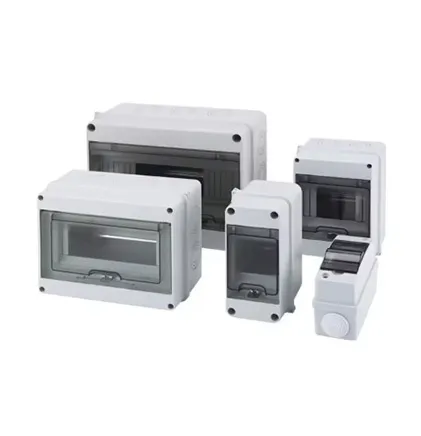
Understanding enclosure ratings shouldn't feel like decoding ancient hieroglyphs. Let's break down how these simple codes protect your electrical equipment
Picture this: You've installed a shiny new distribution box in your industrial facility. Six months later, you discover moisture damage because someone decided a NEMA 1 enclosure could withstand outdoor conditions. Sound familiar? That's why understanding NEMA ratings is less about technical jargon and more about peace of mind.
NEMA ratings are like weather forecasts for your electrical equipment – they tell you exactly what environmental conditions your enclosure can handle without turning into an expensive paperweight.
Originally developed in the US by the National Electrical Manufacturers Association, these ratings have become the industry's common language for protection levels. But here's what most manuals won't tell you: two boxes with similar appearances can perform like completely different animals in challenging environments. The devil's in the rating details.
Let's cut through the technical fog and translate what those numbers actually mean for your daily operations:
Real-World Translation: Choosing between NEMA 3 and NEMA 4? Ask yourself: "Will this distribution box ever face pressurized water?" If you're nodding, skip straight to NEMA 4. Your maintenance team will thank you later.
| Rating | Indoor | Outdoor | Dust Tight | Water Resistance | Corrosion |
|---|---|---|---|---|---|
| NEMA 1 | |||||
| NEMA 3 | Moderate | ||||
| NEMA 4 | High | ||||
| NEMA 4X | High | ||||
| NEMA 12 | Low |
Ever noticed some enclosures have both NEMA and IP ratings? That's not manufacturers being indecisive – it's different languages for different markets.
The Key Differences:
- Scope: NEMA includes practical factors like corrosion resistance and ice protection that IP ignores
- Testing: NEMA simulates real-world environments; IP focuses on specific water/dust tests
- Geography: IP rules Europe/Asia; NEMA dominates North America
Here's how you navigate this without losing your mind: Working on an international project? List both ratings. Choosing for a North American chemical plant? NEMA 4X beats IP68 for practical protection. Need to satisfy European regulators? Lead with IP ratings.
Stop guessing and start using this practical decision framework:
Consider your distribution boxes like protective clothing – heavy rain demands a raincoat, not a sweater
-
Location Reality Check:
- Outdoor? Skip directly to NEMA 3R minimum
- Indoor but dusty? NEMA 12 is your baseline
-
Threat Assessment:
- Will corrosive chemical splashes occur? That's 4X territory
- High-pressure washdowns planned? NEMA 4 or higher
- Freezing temperatures? Verify ice resistance
-
Regulatory Map:
- Food processing? OSHA screams for NEMA 4X
- Municipal project? Check local codes religiously
Real-world story time: A Midwest food plant saved $37,000 annually by switching from stainless steel NEMA 4X boxes to polymer versions in non-critical areas – proving that overprotection can sometimes be just as wasteful as underprotection.
Q: Can I use a NEMA 12 box outdoors if I add extra seals?
A: Nice try, MacGyver. NEMA ratings don't work that way. Modifications void certifications faster than you can say "insurance claim." Outdoor means NEMA 3R minimum.
Q: Is NEMA 4X overkill for my application?
A: Depends. If your distribution box sits in a juice factory facing daily acid washes, 4X isn't overkill – it's essential. If it's in a dry warehouse? Save your budget.
Q: How do temperatures affect NEMA performance?
A: More than people realize! Extreme cold can make gaskets brittle. High heat accelerates seal degradation. Always verify temperature range compatibility.
Q: Do higher ratings guarantee longer lifespan?
A: Not automatically. A poorly maintained NEMA 4X box fails faster than a well-maintained NEMA 3. Protection levels aren't maintenance replacements.
Selecting NEMA ratings isn't about finding the "best" but about discovering the "best fit" for your environment's personality. That coastal wastewater treatment plant isn't just "a bit humid" – it's a salty, corrosive hellscape demanding NEMA 4X protection.
Properly selected wall materials coupled with correct NEMA-rated electrical enclosures create resilient installations that withstand harsh environments
Forgetting about electrical equipment protection standards often leads to the industrial version of wearing flip-flops in a snowstorm – technically possible but practically disastrous. Use these rating guidelines to match your enclosures to your environment's character, and you'll prevent expensive failures.










