
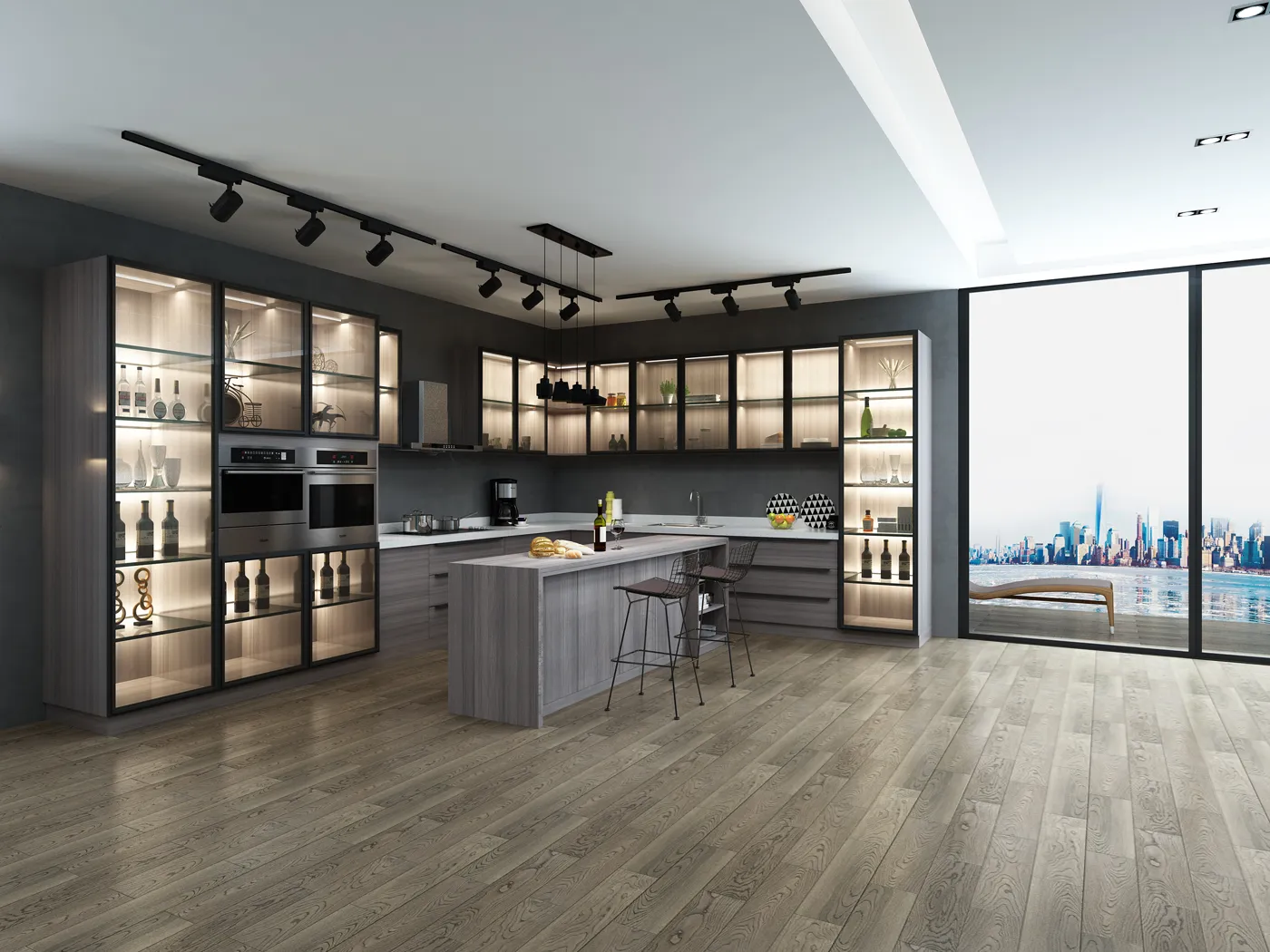
When you're remodeling your kitchen, nothing sets the tone like your cabinetry. It's not just storage—it's the heart of your kitchen's personality . Yet the sticker shock? Real talk: prices swing wildly from budget-friendly to "did I accidentally price out solid gold?" Today, let's break down why kitchen cabinets cost what they do. Forget sterile lists—we're diving into the human quirks behind those numbers.
First off: what are your cabinets made of ? This isn't just wood vs. laminate—there’s nuance. Solid wood like oak or maple screams durability (and price), while plywood or MDF? Way kinder to your wallet. But here’s the kicker: that laminate finish pretending to be walnut? Often looks just as good in photos but feels wildly different up close. Pro tip: run your hand across samples. The texture gap tells the real story.
And hardware? Pull handles and hinges seem trivial, but high-end soft-close versions change daily life. Ever slammed a cheap cabinet at 6 AM? Not peaceful. Quality hardware is comfort disguised as engineering.
Standard sizes? Affordable. Want a coffee nook exactly 14.5" wide? That's where costs soar. Custom cabinets morph from practical storage to bespoke art. You're not paying for wood alone—you’re paying for problem-solving. Awkward corners? Slanted ceilings? Pros turn headaches into seamless designs.
Painting vs. staining? Neither's "better," but oh boy, affects price. Stains highlight natural wood grain (cheaper if flaws are minimal). Paint? Needs flawless prep—multiple sandings and coats. That dream navy finish? It’s labor-intensive love.
Installation labor isn’t some generic line item—it’s puzzle-solving wizardry. Contractors face warped walls, uneven floors, surprise plumbing. Adjustments mid-project ? Costs balloon. Quartz countertop cabinets might be the hero piece, but if the frame isn't level? Nightmare.
Location, location! Urban pros charge premium rates (and rent’s part of your quote). But rural areas? Limited installer options could mean higher travel fees. Always get local quotes—no one-size pricing exists.
Remember pandemic shortages? Wood prices doubled overnight. Suddenly that maple cabinet quote jumped 40%. Manufacturers face shortages too—when trendy grainy oaks flood Pinterest, demand spikes. Play patient or pay premiums.
Global shipping? Containers stuck at ports make materials late. Installers charge holding fees for storage. Unsexy but real: timing your remodel off-season could save thousands. (Winter is coming? Save then.)
Low-VOC paint smells better and eco-friendly cabinets use sustainable bamboo? Guilt-free! Except... certified sourcing adds 15-30%. FSC-certified wood costs more because ethical harvesting should. Budget or values? Pick wisely.
Durability = eco-friendly. Cheap particleboard cabinets warp in 5 years. Pay more upfront for solid wood? It might outlast your mortgage. Long-term thinking saves landfill trips.
Showrooms seduce. That hand-carved cherry island bathed in warm lighting? It feels like hugging happiness. You’re buying pride, not just square footage. Emotional connections pad budgets—designers call this "visual ROI."
Brand bias is wild. High-end names whisper quality—even if materials match generic options. Test with blinds on: remove tags. Can you tell $8K cabinets from $12K? Often not. Pay for perception.
Prioritize ruthlessly. Splurge on visible elements ( cabinet doors , hardware) but economize inside. Adjustable shelves? Basic tracks work fine.
Blend high and low: custom fronts with stock boxes? Brilliant hybrid approach. Mix materials too—wood uppers, painted bases. It’s cohesive creativity without the price tag.
At day's end, kitchen cabinets cost more than materials + labor. You’re paying for expertise in taming chaos, sustainability tradeoffs, and that fuzzy feeling when drawers glide silently shut. Know which factors move your heart—and wallet—before signing contracts. Your perfect kitchen? It's a recipe where "value" blends dollars and dreams.
Recommend Products












