
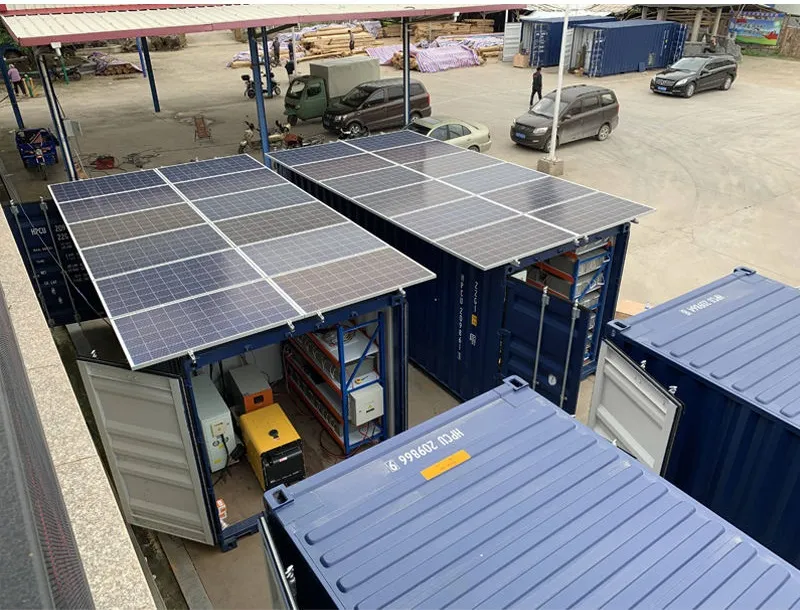
Picture this: Rolling green pastures dotted with cattle, expansive crop fields stretching to the horizon, and glimmering solar panels soaking up the sun. Farming's going high-tech with solar installations becoming as common as tractors in the barn. But here's the catch - there's a hidden threat to these shiny energy harvesters that few talk about. Ammonia , the same stuff that puts life into our fields as fertilizer, can quietly eat away at solar panels like acid on metal.
When we spread animal waste or chemical fertilizers across fields, ammonia vapor drifts into the air. These invisible fumes land on nearby solar installations, forming corrosive salts when moisture enters the picture. Slowly, silently, this chemical reaction eats away at vital panel components. Before you know it, a farm's bright solar investment is shedding performance like autumn leaves.
At its simplest, ammonia's a nitrogen-hydrogen compound (NH 3 ) that farmers have relied on for generations. It's nature's own nitrogen booster that helps crops flourish. Most farms encounter ammonia through:
But this powerhouse nutrient has a Jekyll-and-Hyde personality. While it makes corn tall and pastures green, it launches a silent attack on metals, coatings, and electronics the moment it hangs in the air and combines with morning dew or rainfall.
Here's what happens at the molecular level: When ammonia vapor meets water (from humidity, dew, or rain), it forms ammonium hydroxide – a corrosive alkaline solution. This ammonia-rich "juice" reacts with metals like copper and silver used in solar panel wiring and connections. Over time, these essential electrical pathways simply vanish, eaten away molecule by molecule.
It's a vicious cycle that speeds up over time. First, you'll see hazy residues forming on panels. Then micro-fractures appear in protective coatings. Eventually, electrical resistance creeps up while energy output drops, turning powerful panels into expensive lawn decorations.
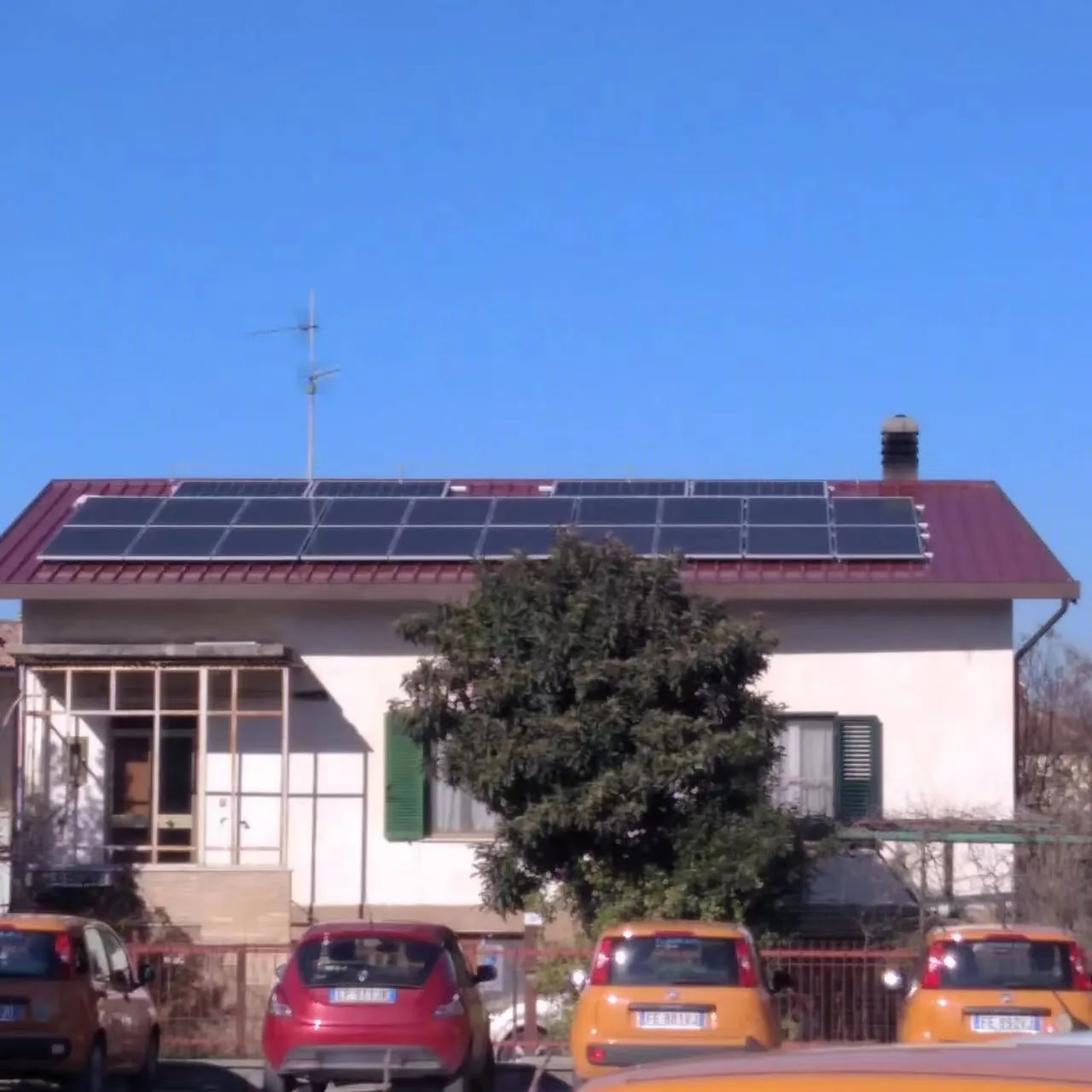
Standard solar panels simply aren't designed for agricultural environments. Most manufacturers test for general weather resistance – rain, heat, UV exposure – but overlook the chemical realities of working farms.
What sets agricultural solar apart:
Regular panels might show degradation within 2-3 years on working farms, while specially certified units maintain over 90% output through their 25+ year lifespan.
True ammonia testing isn't just lab experiments – it recreates actual farm conditions. Panels face what certification engineers call "accelerated aging":
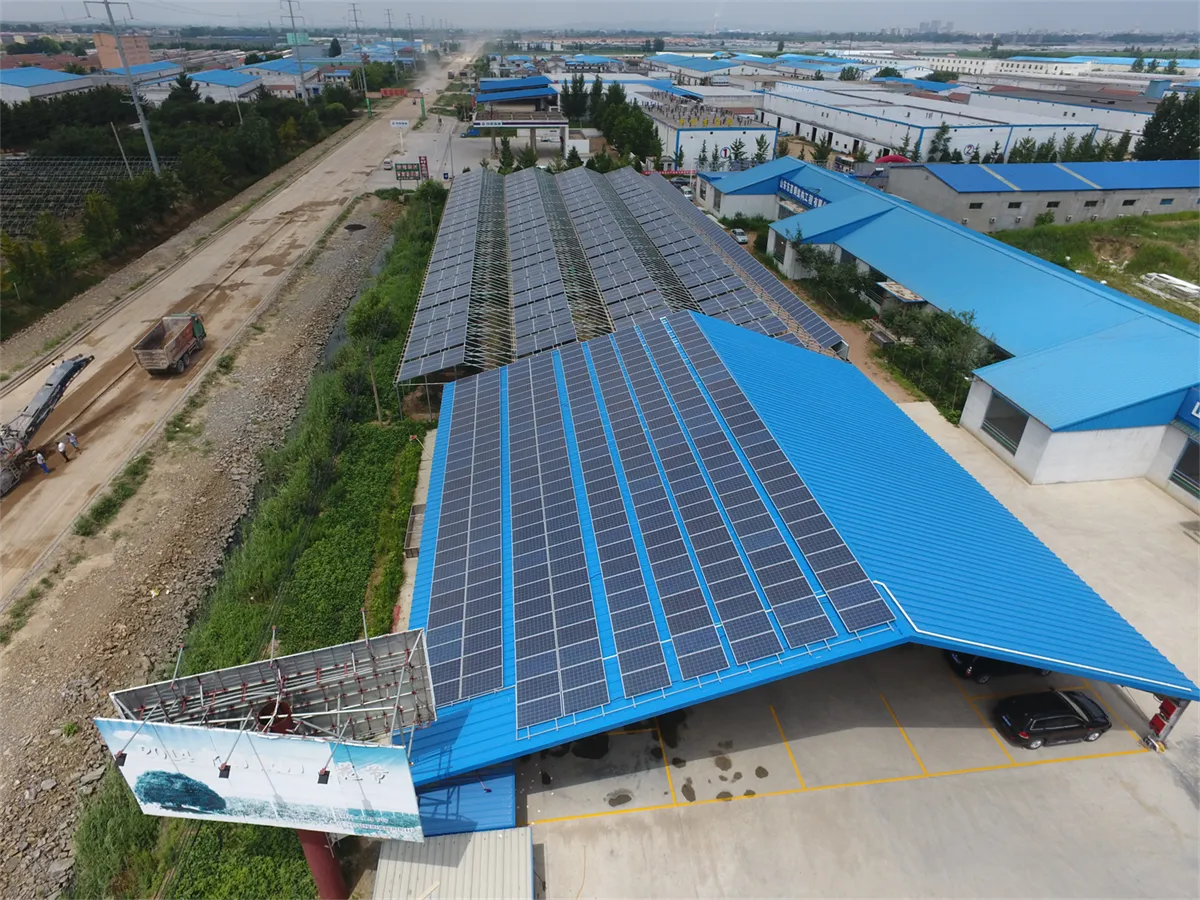
The best tests actually come from solar panels used in real agricultural settings . Panels installed at dairy operations, poultry farms, and crop fields become living laboratories that prove long-term endurance. Certified panels endure thousands of hours of extreme exposure while monitoring gear tracks performance dips in real-time.
True certification looks beyond superficial damage to critical performance indicators:
Electrical Integrity Checks:
Visual inspection standards are equally rigorous. Testing includes microscopic examination of:
Here's what certified agricultural panels offer that standard units don't:
Advanced Encapsulation: Specialized EVA (ethylene vinyl acetate) layers create molecular barriers against ammonia infiltration, using chemical formulations originally developed for industrial chemical environments.
Corrosion-Fighting Frames: Anodized aluminum or composite frames with added protective layers withstand ammonia exposure that would pit standard framing in months.
Junction Box Reinvention: Hermetically sealed compartments shield sensitive diodes and connections using specialized polymers that repel chemical intrusion.
Backsheet Barriers: Multi-layer constructions of PVF/PET/Tedlar create nearly impenetrable shields while maintaining electrical safety.
These technologies aren't found in ordinary panels because they add cost – but that investment pays back many times over in farm settings where standard panels degrade rapidly.
Farmers aren't just buying hardware; they're investing in decades of power production. Ammonia resistance ensures this investment survives the unique chemistry of farms.
The Bottom Line Benefits:
And it's not just about money. Farm-certified solar means fewer replacements, less waste, and maximum renewable output from existing land. When panels withstand farming's chemistry, everyone wins – from the farmer balancing budgets to the environment breathing cleaner air.
In the end, agricultural solar needs its own standard. Just as we wouldn't use office furniture in tractor barns, we need solar panels purpose-built for farming's unique challenges. That ammonia vapor drifting across your fields shouldn't spell doom for your energy independence – it should just be another part of the country air.
Recommend Products












