
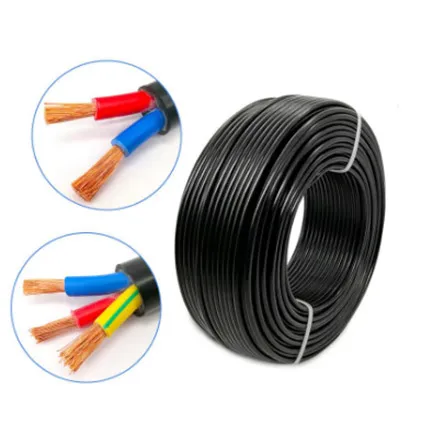
Imagine standing at a bustling airport at midnight. Those glowing runway lights stretching into the darkness aren't just pretty decorations - they're a pilot's lifeline during critical takeoffs and landings. And the unsung hero behind this light show? Specialized cables that work 24/7 in conditions that'd make most materials give up. These cables handle everything from snowstorms to jet engine heat while buried under runways or dangling from towers.
Airport lighting isn't just one system but a whole orchestra:
Each system relies on specialized cables that demand extraordinary resilience. When selecting cable suppliers for these critical systems, airports prioritize vendors with proven expertise in aviation-grade materials that meet strict FAA requirements.
Airport cables aren't your average hardware store wiring. Picture a 5KV cable designed for primary circuits between current regulators and transformers - it's essentially the main artery of the lighting system. Made with stranded copper conductors for flexibility, they include XLPE insulation (cross-linked polyethylene) which stands up to chemical spills from de-icing fluids like a champ.
Then there's the semi-conductive tape wrapped around the insulation. This clever layer helps manage heat buildup and prevents moisture intrusion - crucial when buried under wet tarmac. The final jacket? Heavy-duty HDPE or PVC shielding that handles abrasion from constant maintenance crews and machinery.
These cables live wild temperature lives: constant 90°C operation punctuated by 250°C flashes during short circuits. They need to shrug off UV radiation, salt exposure in coastal airports, and physical stress when planes roll over buried lines.
The 400Hz power systems found in many airports operate like Formula 1 engines compared to standard 60Hz power. This frequency allows for smaller, lighter components in aircraft electrical systems but requires specialized cables capable of handling the increased magnetic interference and power factors.
Different parts of an airport need different approaches:
Maintenance crews appreciate when cables resist corrosion at connection points. Nothing ruins a technician's day faster than fighting oxidized connectors during emergency repairs.
Installing airport cables is like performing surgery on a living patient. Workers navigate around existing utility lines using non-invasive directional boring to tunnel under active runways. The pressure mounts knowing any mistake could shut down operations costing millions per hour.
Direct burial remains common, where cables get layered in protective sand bedding before backfilling. Raceways and conduits offer easier maintenance access, while aerial installations handle tough terrain around airport peripheries. Every installation method must account for future-proofing - nobody wants to dig up a fresh runway next year.
FAA Specification L-824 isn't optional reading - it's the bible for runway cable installation. These regulations cover everything from fire resistance (low-smoke, zero-halogen materials) to electromagnetic compatibility. International standards like IEC and ISO create consistent safety requirements globally.
Compliance creates operational harmony. Airports avoid dangerous mishaps like incompatible connectors delaying emergency repairs or fire-prone materials that create unnecessary risks in crowded terminals.
Why go through all this trouble? One word: reliability. A single cable failure can cascade into runway closures, delays rippling through global networks, and safety risks. The best designs feature redundancy - backup circuits ready to kick in if primary systems fail.
Smart monitoring systems now track cable health in real-time, alerting technicians to small problems before they become catastrophes. Impedance fluctuations or temperature anomalies trigger alerts long before human operators would notice issues.
Quality materials pay off over years of service. Corrosion-resistant terminals prevent degradation at connection points, while UV-stable jacketing maintains protection even in harsh tropical sun. Properly installed systems offer decades of trouble-free operation.
The next generation of airport cables focuses on energy efficiency and sustainability. Researchers are developing composites that withstand greater loads while using less raw material. Self-monitoring cables with embedded sensors promise predictive maintenance capabilities - potentially revolutionizing how airports manage critical infrastructure.
Renewable energy integration requires cables with enhanced bi-directional power handling, while composite materials may eventually replace traditional shielding layers. The cables being developed today will power tomorrow's smart airports - hubs where energy management, safety systems, and operational control work seamlessly together.
Next time you taxi after landing, notice those glowing runway lights guiding your way. Each one represents hundreds of hours of engineering buried just beneath the tarmac. These specialized cables form the nervous system of air travel - silently ensuring safe operations regardless of weather, time, or traffic volume.
From the XLPE-insulated copper that powers centerline lights to the armored secondary circuits feeding terminal power systems, these components deserve recognition for their vital role. They're truly the unsung heroes working around the clock to keep global aviation moving.
Recommend Products












