
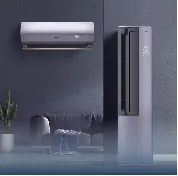
Choosing the right air conditioner solutions is one of the most critical decisions in any construction or renovation project. Whether you are outfitting a residential villa, a hotel property, or a commercial office complex, the cooling system directly impacts occupant comfort, energy consumption, and long-term operational costs. As building projects grow more complex and energy efficiency standards become stricter worldwide, developers and contractors need a reliable sourcing strategy that balances quality, cost, and performance.
This guide walks you through the key considerations for selecting air conditioning systems for different project types and explains how working with a one-stop architectural solution provider can streamline your procurement process and reduce supply chain complexity.
Before diving into procurement, it is essential to understand the different types of air conditioning systems available and which applications they suit best. Each type offers distinct advantages depending on the building's size, layout, and usage patterns.
Split systems consist of an indoor unit and an outdoor compressor unit connected by refrigerant lines. They are ideal for individual rooms or smaller spaces such as residential bedrooms, hotel guest rooms, and small offices. Split units are relatively easy to install and offer good energy efficiency for zone-based cooling. They are also cost-effective for projects where ductwork is not feasible.
Central AC systems use a network of ducts to distribute cooled air throughout an entire building. These are best suited for larger residential homes, commercial buildings, and hotels where uniform temperature control across multiple rooms is required. While the upfront installation cost is higher, central systems provide consistent cooling and can be more energy-efficient at scale.
VRF systems offer precise temperature control for multiple zones simultaneously, making them an excellent choice for hotels, mixed-use developments, and large commercial spaces. They allow different rooms to be set at different temperatures, providing both heating and cooling capabilities. VRF systems are known for their energy efficiency and quiet operation.
These are compact, self-contained units suitable for small spaces, temporary installations, or budget-conscious projects. While they are less efficient than split or central systems, they can serve as practical solutions for specific applications where installation flexibility is a priority.
The cooling capacity of an air conditioner is measured in BTUs (British Thermal Units) per hour. Selecting the right capacity is fundamental — an undersized unit will struggle to cool the space effectively, while an oversized unit will cycle on and off too frequently, wasting energy and failing to dehumidify properly. As a general rule, approximately 20 BTUs are needed per square foot of space, but factors such as ceiling height, window area, insulation quality, and local climate should also be considered.
Energy efficiency is a top priority for modern building projects. Look for air conditioners with high EER (Energy Efficiency Ratio) or SEER (Seasonal Energy Efficiency Ratio) ratings. Higher ratings mean lower electricity consumption and reduced operating costs over the lifetime of the equipment. For commercial projects, energy-efficient cooling systems can significantly contribute to green building certifications and compliance with local energy codes.
The type of project dictates the appropriate cooling solution. A residential home may need a few split units or a small central system, while a hotel with hundreds of rooms requires a scalable VRF or central system with sophisticated zone control. A commercial office building may need a combination of central cooling for open-plan areas and split units for server rooms or executive offices. Matching the system to the specific application is essential for both performance and cost efficiency.
Proper installation is critical to the performance and longevity of any air conditioning system. Poor installation can reduce efficiency, increase energy consumption, and lead to frequent breakdowns. When sourcing air conditioner solutions for a project, consider whether the supplier can provide installation guidance or recommend certified local technicians. Additionally, evaluate the ease of maintenance — systems with accessible filters and components reduce long-term service costs.
For construction companies, project developers, and procurement managers, sourcing air conditioners alongside other building materials from a single supplier offers significant advantages. A one-stop architectural solution provider like COLORIA GROUP simplifies the entire procurement process by consolidating orders, reducing logistics costs, and ensuring consistent quality across all product categories.
Benefits of One-Stop Sourcing
Streamlined communication with a single point of contact for all building material needs
Consolidated shipping and logistics, reducing freight costs and delivery timelines
Consistent quality standards across all product categories
Simplified after-sales support and warranty management
Bulk purchasing advantages that translate to competitive pricing
Beyond air conditioners, a comprehensive home/kitchen/hotel appliances solutions provider can also supply refrigerators, kitchen stoves, kitchen hoods, microwave ovens, washing machines, and dishwashers — all coordinated through a single order. This is particularly valuable for hotel projects, residential developments, and turnkey construction contracts where multiple appliance types are needed simultaneously.
COLORIA GROUP, headquartered in Foshan, China, is a trusted provider of comprehensive interior and exterior building material solutions for residential and commercial projects worldwide. With an agent in Saudi Arabia and a global supply network, the company brings decades of industry experience to every project. COLORIA GROUP offers not only air conditioner solutions but also a full range of home and hotel appliances, including refrigerators, kitchen stoves, hoods, microwaves, ovens, washing machines, and dishwashers.
The company's product portfolio spans 13 major categories — from walls, flooring, and ceilings to pipes and fittings, sanitary ware, customized furniture, windows and doors, decorative profiles, elevators, electrical fixtures, lights, and solar panels. This breadth of product coverage makes COLORIA GROUP a true one-stop destination for building material procurement.
Why Choose COLORIA GROUP
Extensive product catalog with 560+ products across 13 categories
Dedicated overseas agent in Saudi Arabia for regional support
Proven track record in supplying residential and commercial projects globally
Commitment to quality and customer satisfaction
Professional team with deep industry knowledge and technical expertise
Integrate air conditioning specifications into the building design phase rather than treating cooling as an afterthought. Early planning allows for proper ductwork design, electrical load calculations, and optimal unit placement. It also gives you more time to evaluate suppliers and negotiate favorable terms.
When communicating with suppliers, ask for complete technical data sheets that include cooling capacity, energy efficiency ratings, power requirements, physical dimensions, and noise levels. Having this information upfront helps your engineering team make informed decisions and ensures compatibility with the building's electrical and structural systems.
The purchase price is only one part of the equation. Factor in installation costs, expected energy consumption over the equipment's lifespan, maintenance requirements, and the availability of spare parts. A slightly more expensive unit with higher energy efficiency can deliver substantial savings over years of operation.
Work with suppliers who have a proven track record in international project supply. Check their experience with projects similar to yours in scale and scope. A supplier with established logistics capabilities and export documentation expertise can prevent costly delays and compliance issues at customs.
Selecting the right air conditioner solutions is a decision that affects occupant comfort, energy costs, and the overall success of your building project for years to come. By understanding the different system types, evaluating key performance factors, and partnering with a reliable supplier, you can ensure that your cooling infrastructure meets both current needs and future demands.
COLORIA GROUP stands ready to support your next project with quality air conditioning products and a complete range of building materials — all from a single, dependable source. Whether you are developing a residential community, building a hotel, or outfitting a commercial complex, having one partner for all your building material needs saves time, reduces costs, and simplifies project management.
Get in Touch
Ready to discuss your project's air conditioning and building material requirements? Contact COLORIA GROUP today to explore product options, request quotations, and learn how our one-stop solutions can benefit your next construction project. Visit our website at www.coloriagroup.net or reach out to our team for personalized support.
Recommend Products












