


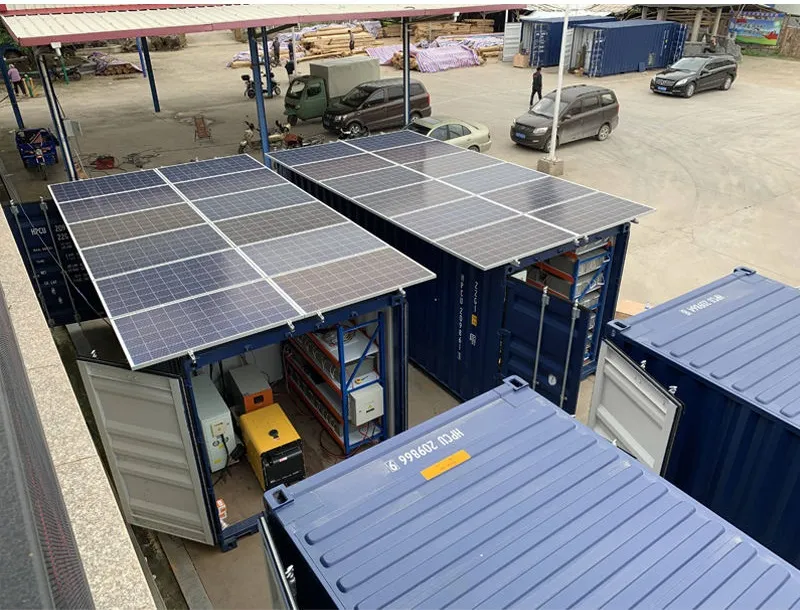
Picture farmlands doing double-duty – harnessing sunshine for clean energy while nurturing crops beneath. That’s the genius of agricultural photovoltaics (Agrivoltaics), a transformative approach merging farming with renewable power. Rather than competing for land use, solar panels and plants become partners in sustainable land stewardship.
Why This Matters Now
With global agriculture facing a perfect storm of climate pressures and rising energy demands, traditional farming models strain under the weight of extreme weather events and land scarcity. Food systems account for nearly a third of greenhouse gas emissions, yet paradoxically struggle to withstand the climate disruptions they contribute to. Meanwhile, solar energy adoption surges, but large-scale installations often displace fertile farmland – a loss we can’t afford when feeding 10 billion people by 2050 requires smarter land use. Enter Agrivoltaics, offering simultaneous climate resilience and renewable energy generation.
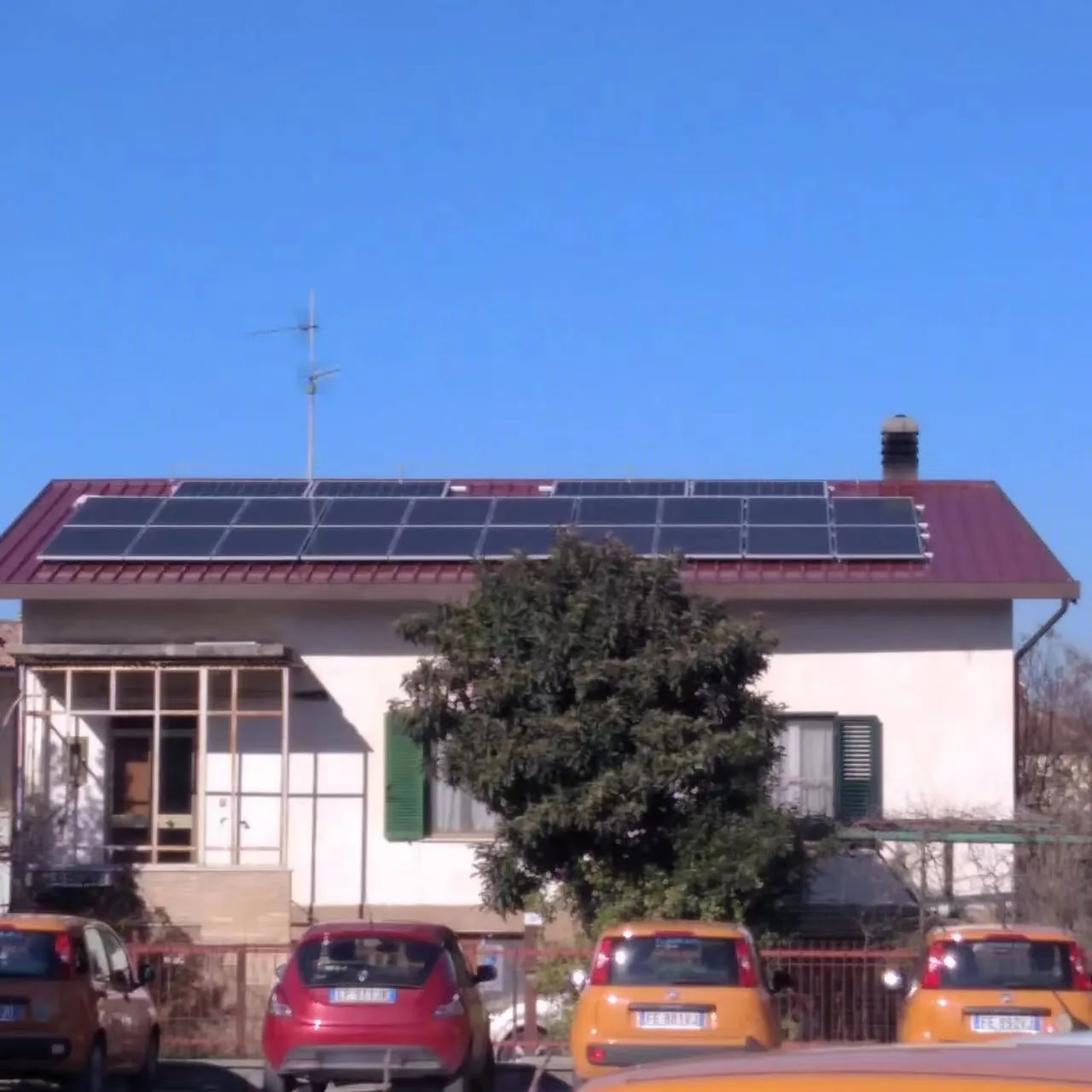
The How: Engineering Harmony
Agrivoltaics isn't just plopping standard solar arrays in fields. Specialized structures create symbiotic environments: Elevated Solar Platforms use raised mounting systems providing partial shade for sensitive crops while maintaining farm machinery access underneath. Dynamic Tracking Systems intelligently angle panels to optimize light for both crops and power – rotating to protect plants from midday scorch or revealing them to morning dew. Semi-Transparent Modules using perovskite solar cells let specific light wavelengths nourish plants underneath while generating energy. And let’s not forget Climate-Smart Infrastructure – integrated sensors monitor soil moisture and microclimates, adjusting panel positioning or triggering irrigation automatically.
"The shade beneath panels isn't lost productivity – it’s transformed productivity. In trials, we see reduced water evaporation and heat stress, creating sanctuaries for high-value crops in warming climates."
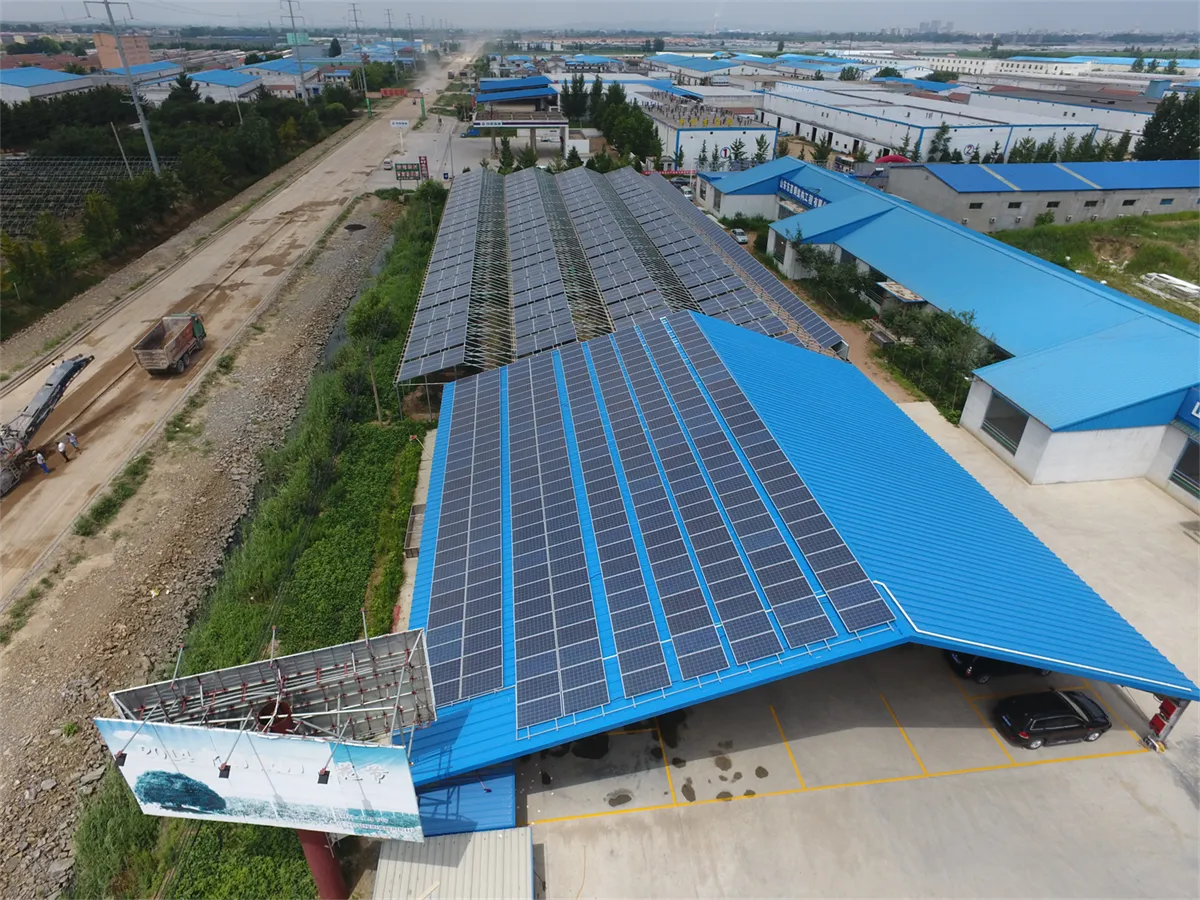
Two Harvests, One Field
This isn’t theoretical wishful thinking:
- Massachusetts cranberry bogs yielded 15% more berries under panels during heatwaves while generating power for processing facilities
- German vineyards reported improved grape quality under partial shading, with panels powering refrigeration units
- Arizona lettuce farms cut irrigation needs by 30% under solar arrays while exporting surplus electricity
- Japanese tea growers doubled land revenue streams with premium shade-grown matcha beneath energy-generating structures
But the magic lies beyond statistics. Picture family farms hedging against climate volatility with diversified income streams. Imagine rural communities becoming energy exporters without sacrificing food heritage. Envision orchards where pollinators thrive in cooler microclimates beneath gently humming panels. This is regenerative design in action.
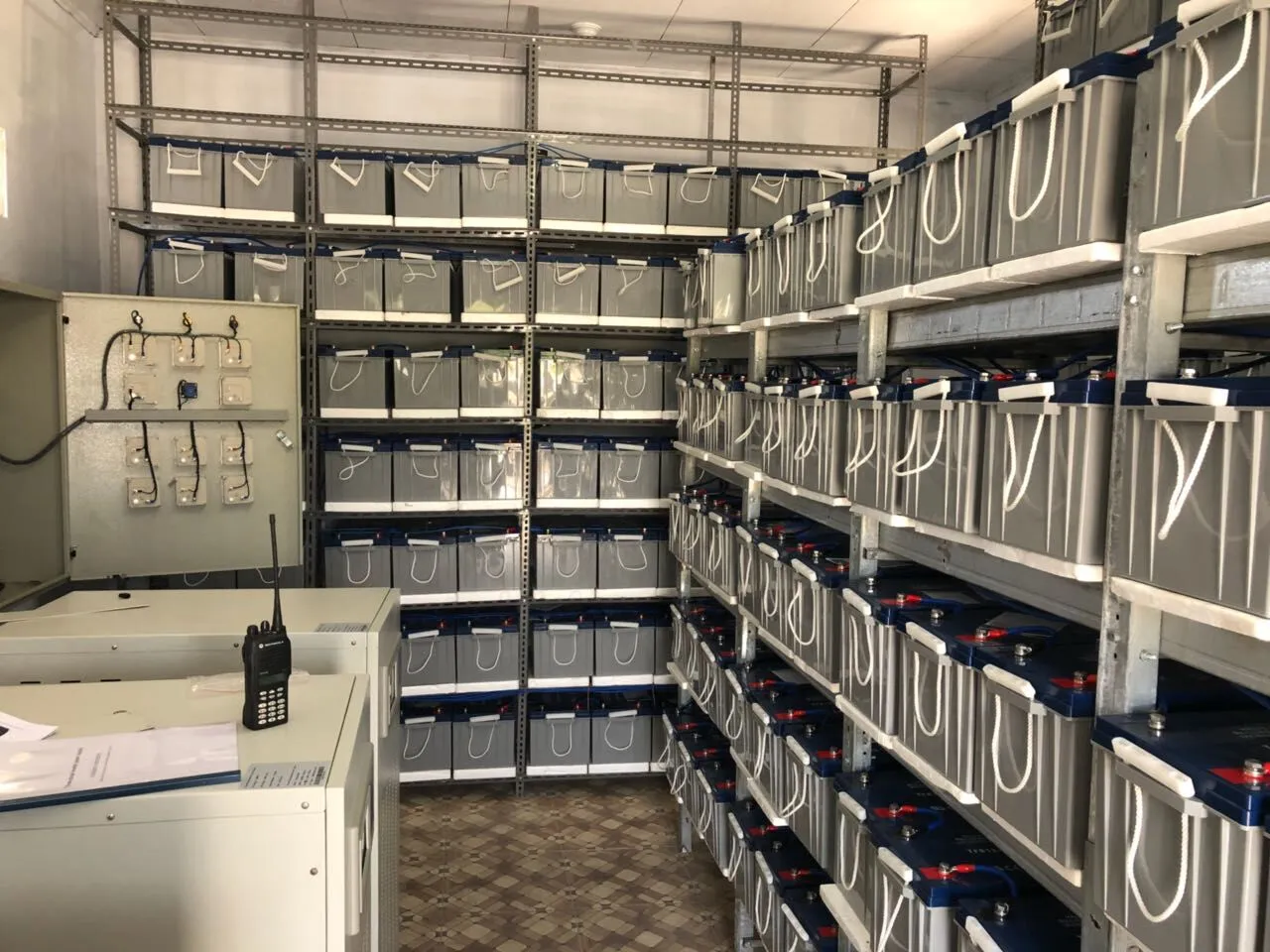
Making It Work: From Theory to Dirt
The leap from research papers to working farms requires thoughtful implementation:
Case Study: Morocco's Desert Oasis
Marrakech’s arid perimeter now hosts olive groves thriving beneath bifacial solar panels. The setup includes stone mulching ( an environmentally friendly building material for moisture retention) and integrated drip irrigation powered by the arrays. Results? 40% water savings and energy surplus sold back to the grid – a blueprint for semi-arid regions globally.
Creative Financing Models
Farmers shouldn't bear upfront costs. Shared investment models are proving successful: Energy Co-Ops: Neighborhood solar subscriptions fund installation with farmers leasing land while retaining farming rights Power Purchase Agreements: Developers install/maintain systems, sharing energy revenue with landowners Climate Resilience Loans: Loan programs recognizing increased farm valuation from dual-use systems
Where We're Headed: The Integrated Farm of Tomorrow
The frontier keeps expanding: Vertical Stacking: Transparent solar greenhouses growing food while generating power from their entire surface area Livestock Integration: Shelters with overhead panels providing shade for pasture rotation systems Water-Energy Synergies: Floating solar on irrigation reservoirs reducing evaporation while powering pumps Circular Systems: Agri-waste converted into bio-composites for sustainable mounting structures
"This isn't solar versus farming – it's farming enhanced by solar. The panels become climate control infrastructure, water conservation technology, and revenue insurance rolled into one."
Seeding Change
Agrivoltaics represents more than clever engineering – it’s a paradigm shift in land ethics. Rather than choosing between food or electrons, we're cultivating both. For smallholder farmers facing climate unpredictability, these systems provide income stability. For communities seeking energy independence, they offer localized solutions. And for our warming planet, they deliver tangible emissions reduction while adapting agriculture to new climate realities. As solar technology becomes lighter, smarter and more integrated, the farms of the future may well be measured not just in crop yields, but in kilowatt-hours per acre too.










