
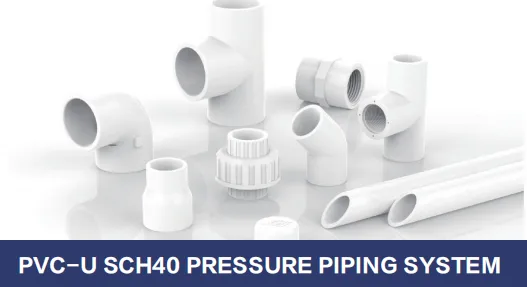
Picture this: You're knee-deep in a commercial building project, racing to meet a tight deadline. The plumbing phase is underway, and your team has just installed hundreds of meters of PVC-U SCH40 pressure piping—chosen for its durability, cost-effectiveness, and ability to handle high-pressure water flow. Then, halfway through testing, a joint leaks. Not a small drip, but a steady stream that threatens to damage drywall, delay electrical work, and blow your project timeline. You call the supplier, expecting urgent help. Instead, you're met with an automated voicemail, a promise to "get back to you within 48 hours," and zero guidance on how to mitigate the issue in the meantime. Sound like a nightmare? For too many contractors, architects, and project managers, it's a reality—one that could have been avoided with a supplier who prioritizes after-sales support.
In the world of construction and infrastructure, the focus often lands on the "front end" of supplier relationships: price, product quality, and delivery timelines. But anyone who's worked on a job site knows that the real test of a supplier's value comes long after the last pipe is delivered. That's especially true for critical systems like PVC-U SCH40 pressure piping, which form the circulatory system of buildings—carrying water, wastewater, and other fluids that keep operations running smoothly. When these systems fail, the stakes are high: costly downtime, safety risks, and reputational damage. This is why choosing a PVC-U SCH40 pressure piping system supplier with robust after-sales support isn't just a "nice-to-have"—it's a make-or-break decision for your project's success.
Let's start with the basics: PVC-U SCH40 pressure piping systems are workhorses. Designed to withstand high pressure (hence "SCH40"), they're used in everything from residential water supply lines to commercial HVAC systems, industrial process piping, and even municipal water distribution. Their popularity stems from a winning combination: resistance to corrosion, low maintenance, and a price point that won't break the bank. But here's the catch: even the best piping systems are only as reliable as the support behind them.
Installation mishaps, unexpected wear and tear, compliance updates, or emergency repairs—these are the realities of any construction or maintenance project. A supplier that hands over the pipes and vanishes is setting you up for failure. On the flip side, a supplier that stands by their PVC-U SCH40 pressure piping system solutions with proactive, responsive after-sales support becomes a partner in your success. They don't just sell you products; they help you avoid costly mistakes, resolve issues fast, and ensure your system performs at its best for decades.
Take, for example, a hospital expansion project. Hospitals rely on PVC-U SCH40 piping for critical systems like medical gas lines, sprinkler systems, and potable water. A leak here isn't just an inconvenience—it could disrupt patient care, trigger safety protocols, or even lead to regulatory fines. If the supplier's after-sales team is slow to respond, or lacks the technical expertise to diagnose the issue, the hospital could face days of downtime. But with a supplier that offers 24/7 technical hotlines, on-site troubleshooting, and a stock of spare parts, the problem gets fixed in hours, not days. That's the difference between a minor hiccup and a full-blown crisis.
So, what exactly should you look for when evaluating a PVC-U SCH40 pressure piping system supplier 's after-sales capabilities? It's not just about a "warranty" sticker on the product. True support is a holistic package that covers every stage of the product's lifecycle, from installation to long-term maintenance. Here are the five key pillars:
Installation and troubleshooting PVC-U SCH40 piping isn't always straightforward. Factors like temperature fluctuations, soil composition (for underground lines), and compatibility with other materials can lead to unexpected issues. A reliable supplier doesn't just sell you pipes—they provide access to a team of technical experts who understand the nuances of their products. This might mean on-site visits to review installation plans, video calls to walk your team through a tricky joint, or detailed guides tailored to your project's specific needs. For instance, if you're installing piping in a coastal area with high salt exposure, the supplier should advise on corrosion-resistant jointing methods or coating options—details that generic installation manuals might miss.
Every supplier offers a warranty, but not all warranties are created equal. A strong warranty should cover more than just manufacturing defects; it should include performance guarantees. For example, if the piping fails to maintain its pressure rating within the first five years (assuming proper installation), the supplier should replace the affected parts and cover associated labor costs. Be wary of vague language like "limited warranty" or "excludes consequential damages"—these are red flags that the supplier isn't willing to stand behind their product when things go wrong. A trustworthy supplier will spell out warranty terms clearly, answer questions without hesitation, and honor claims promptly, without endless paperwork or blame-shifting.
Even the best piping systems need replacement parts eventually—gaskets wear out, fittings crack, or you might need extra elbows to adjust a layout mid-project. A supplier with poor after-sales support will leave you scrambling to source parts from third parties, risking delays and mismatched components (which can lead to leaks). The right supplier, however, maintains a local or regional inventory of spare parts, so you can get what you need in 24–48 hours. This is especially critical for large-scale projects or remote locations where supply chains are fragile. Imagine needing a specific SCH40 elbow to repair a broken line in a school cafeteria during lunch rush—waiting a week for a part isn't an option. A supplier with a well-stocked warehouse turns that crisis into a minor interruption.
Your installation crew might be experts in general plumbing, but PVC-U SCH40 systems have unique requirements. New jointing techniques, tools, or safety standards can emerge, and a proactive supplier will invest in training your team to stay ahead. This could include workshops on best practices for solvent welding, webinars on interpreting pressure test results, or certification programs for your lead installers. Not only does this reduce the risk of installation errors, but it also empowers your team to troubleshoot small issues independently, saving time and reducing reliance on external support.
When a pipe bursts or a joint fails, every minute counts. A supplier with strong after-sales support recognizes that emergencies can't wait for "business hours." Look for suppliers that offer 24/7 emergency hotlines staffed by actual technicians (not just call center reps) and a clear protocol for urgent requests. For example, a supplier serving industrial clients might dispatch a technician within 4 hours for critical failures, while a residential supplier might offer same-day part delivery for urgent repairs. The key is responsiveness—you should never feel like you're begging for help when you're in a bind.
So, you know what to look for—but how do you separate the talkers from the doers? Suppliers will always claim to have "excellent after-sales support," but actions speak louder than words. Here are practical steps to evaluate a potential PVC-U SCH40 pressure piping system supplier before signing on the dotted line:
Don't just take the supplier's word for it—ask for contact information of clients who've worked with them on similar projects. Reach out to these references and ask specific questions: How quickly did the supplier respond to technical questions? Did they honor their warranty without pushback? Were spare parts easy to get? A supplier with nothing to hide will happily share references; one with spotty support will dodge the request or provide vague testimonials.
Before committing, put their support channels to the test. Send an email with a technical question and see how long it takes to get a detailed response. Call their "24/7 hotline" on a weekend and see if a real person answers (or if you're stuck in an automated loop). The goal isn't to be annoying—it's to simulate the experience you'll have when you're in a crisis. If they're slow to respond during the sales phase, imagine how they'll act when you're a paying customer with a problem.
A reputable supplier will formalize their after-sales commitments in a Service Level Agreement (SLA). This document should outline response times for different types of requests (e.g., 2 hours for emergencies, 24 hours for technical queries), spare parts availability, and warranty coverage details. An SLA isn't just a piece of paper—it's a contract that holds the supplier accountable. If a supplier refuses to put their promises in writing, that's a major red flag.
To make the evaluation process easier, we've put together a comparison of the traits that set reliable suppliers apart from the rest. Use this as a checklist when vetting potential partners:
| Aspect of After-Sales Support | Signs of a Reliable Supplier | Red Flags to Watch For |
|---|---|---|
| Technical Support | Offers on-site/remote expert consultations; provides project-specific guides | Directs you to generic online manuals; no dedicated technical team |
| Warranty | Covers defects and performance issues; clear terms, no hidden fees | Vague language ("limited warranty"); excludes labor or consequential damages |
| Spare Parts | Maintains local inventory; guarantees 24–48 hour delivery for critical parts | Requires ordering from overseas; long lead times (1+ weeks) |
| Emergency Response | 24/7 hotline with technician access; clear escalation protocols | Only responds during business hours; automated callbacks only |
| Training | Offers workshops, webinars, or on-site training for your team | Provides no training resources; refers you to third-party courses |
At the end of the day, choosing a PVC-U SCH40 pressure piping system supplier with strong after-sales support isn't just about avoiding headaches—it's about protecting your bottom line. Poor support leads to delays, rework, and unexpected costs that can balloon a project's budget by 10% or more. On the flip side, a supplier that stands by their products and provides proactive support helps you stay on track, reduce waste, and ensure the longevity of your piping systems.
Think of it this way: You wouldn't buy a car without a reliable mechanic, or a laptop without a warranty. Why treat your building's piping system any differently? The pipes that carry water, gas, and other essentials are the lifelines of any structure. They deserve a supplier who sees your success as their success—one who doesn't just deliver products, but peace of mind.
So, the next time you're comparing quotes for PVC-U SCH40 pressure piping systems, look beyond the price tag. Ask about their after-sales process. Test their responsiveness. Dig into their references. Because when that inevitable leak happens, or that technical question arises, you'll be glad you chose a supplier who's as invested in your project as you are. After all, in construction, the difference between a good project and a great one often comes down to the support you have when things don't go according to plan.
Recommend Products












