
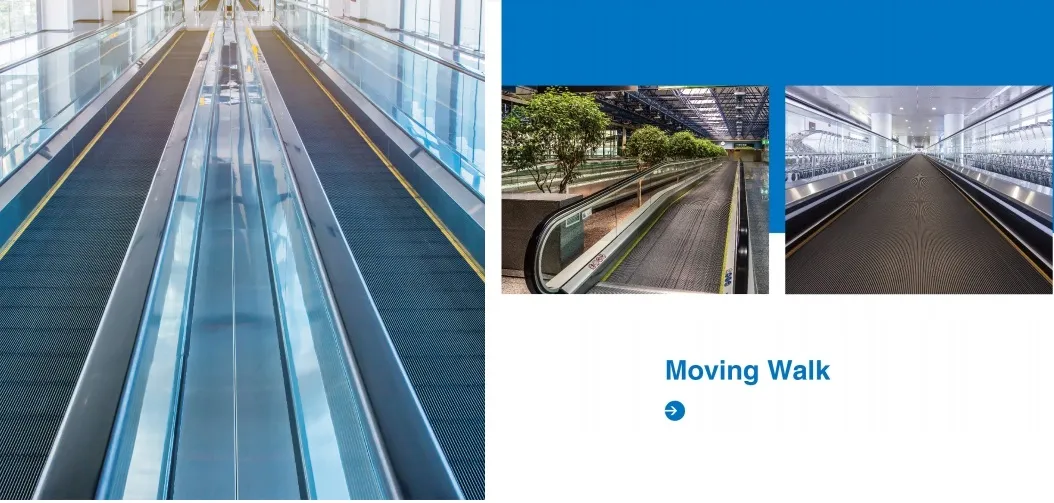
Urban transportation systems are like living organisms—they need to adapt, evolve, and grow without shutting down the whole operation. In busy cities where every minute counts, tearing up infrastructure for months isn't just inconvenient; it's costly and disruptive. That's where the modular design of moving walkways steps in like a silent hero. Instead of ripping out entire systems for renovations, cities can now upgrade piece by piece. Imagine swapping out sections like LEGO blocks while people keep walking above—no chaos, no massive shutdowns. This approach isn't just smart; it’s a lifeline for cramped downtown areas or airports where space is tighter than a morning rush-hour train.
Let’s talk real numbers. Traditional renovation of moving walkways isn’t just about replacing parts—it’s a domino effect of costs. First, you've got the labor: shutting down lanes means rerouting foot traffic, hiring extra security, and sometimes even compensating nearby businesses for lost customers. Then there’s the timeline. Projects drag on because old systems weren’t designed for easy access. Workers might spend days disassembling welded frames or jackhammering concrete just to reach a faulty motor. By contrast, modular designs use standardized connectors and pre-fab sections. Need to upgrade the control system? Slide out an old panel and pop in a new one. It’s faster than brewing a pot of coffee during a lunch break.
You might wonder why cities cling to outdated methods. One word: inertia. Engineers plan for what they know, and municipal budgets favor predictable—if inefficient—expenses. But the tide’s turning. Airports in Tokyo and Singapore are already showcasing modular walkways that let them update tech or expand capacity during off-peak hours. No bulldozers, no months-long detours. That’s the kind of progress that turns skeptics into believers.
Real-world scenario: JFK Airport recently renovated Terminal 4’s walkways. Using modular design, work crews replaced all control units over two weekend nights. Total downtime? Six hours per section. Conventional methods would’ve taken three weeks and cost 40% more in labor alone.
So how does going modular save you money? Let’s break it down:
The beauty is in the simplicity. Think of modular design as Ikea furniture for urban transit—versatile, affordable, and surprisingly robust.
Beyond cost, there are big wins in safety too. In projects using sustainable building materials, modular walkways align with eco-standards that make cities greener and more resilient.
A decade ago, variable-speed walkways felt like sci-fi. Today, modular systems handle it seamlessly. These innovations are flipping the script:
Embedded sensors detect crowd density and adjust speed in real time. Modular designs make upgrades effortless—pop in a new sensor array without touching the structure.
Latest modules capture braking energy (like hybrid cars do) to power lighting or charge batteries. It’s efficiency that pays for itself in utility savings.
From sleek glass panels to art-inspired facades, modular pieces let cities refresh looks without functional overhauls. A tourism board’s dream come true!
Cutting-edge case: Seoul’s Incheon Airport uses modular walkways with solar-integrated panels. Renovation involved simply upgrading energy-capture units during low-traffic periods—saving $200K annually on electricity.
Ready to dive in? Here’s how cities can adopt modular strategies painlessly:
But it’s not just about plugging in parts. Building modular requires upfront collaboration—manufacturers, engineers, and city planners talking from day one. Skip that, and you’ll have puzzle pieces that don’t fit.
Modular moving walkways aren't just fixing today's headaches; they’re paving tomorrow’s highways. Imagine walkways that reassemble themselves for events or shift routes during emergencies. As material science advances, modules could become lighter, stronger, and even self-healing.
For cities drowning in deferred maintenance bills, this is a lifeline. Budgets stay sane, commuters stay happy, and planners sleep soundly knowing they’ve built systems that can flex and grow.
Recommend Products












