
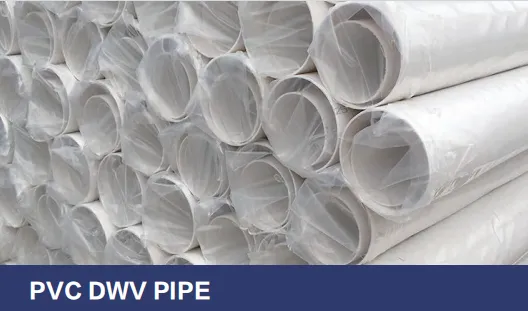
Beneath the floors and within the walls of every home, office, or public building lies a silent workhorse: the plumbing system. It's a network we rarely notice—until something goes wrong. From the moment we turn on a faucet to the quiet whoosh of water draining after a shower, these systems keep our daily lives running smoothly. At the heart of this essential infrastructure are drain, waste, and vent (DWV) pipes, responsible for carrying wastewater away and ensuring proper ventilation to prevent clogs and odors. In recent decades, one material has revolutionized this critical component: polyvinyl chloride (PVC). Today, advanced PVC DWV pipes stand as a testament to engineering innovation, offering unmatched durability, performance, and value for both residential and commercial spaces. Let's dive into the technology that makes these pipes a cornerstone of modern construction.
First, let's clarify what DWV stands for: Drain, Waste, Vent. These pipes have three primary roles: removing wastewater (drain), carrying solid waste (waste), and allowing air to circulate (vent) to maintain proper pressure and prevent siphoning. Unlike pressurized pipes (which carry water to fixtures), DWV pipes rely on gravity to move water, making their design—slope, diameter, and material—critical to functionality.
PVC, a synthetic plastic polymer, has been used in plumbing since the 1960s, but modern PVC DWV pipes are a far cry from their early predecessors. Today's pipes are formulated with a blend of vinyl chloride monomers, stabilizers, plasticizers, and impact modifiers, creating a material that's both strong and flexible. As a PVC DWV pipe supplier will tell you, the key to their success lies in precision manufacturing: strict control over molecular weight distribution, uniform wall thickness, and smooth inner surfaces that minimize friction and clogs.
Early PVC pipes were prone to brittleness, especially in cold temperatures, or softening under heat. Modern formulations address this through advanced molecular engineering. By optimizing the polymer chain structure, manufacturers have created pipes with higher tensile strength and impact resistance. Additives like calcium-zinc stabilizers replace older lead-based compounds, improving safety while enhancing thermal stability. The result? Pipes that can withstand extreme temperature fluctuations—from freezing basements to hot attic spaces—without cracking or warping.
A pipe is only as good as its connections, and here, PVC DWV technology has made significant leaps. Traditional solvent cement joining methods have been refined with low-VOC (volatile organic compound) adhesives that cure faster and form tighter bonds. Some suppliers now offer push-fit or compression fittings, reducing installation time and the risk of human error. These fittings are engineered with precision tolerances, ensuring a leak-proof seal that lasts for decades. For complex commercial projects, PVC DWV pipe solutions often include custom-fabricated elbows, tees, and reducers designed to maintain optimal flow rates around tight corners.
The inner surface of a DWV pipe is critical to performance. Older materials like cast iron have rough interiors that trap debris, leading to clogs. Advanced PVC DWV pipes feature a mirror-smooth inner wall, achieved through specialized extrusion processes. This smoothness reduces friction loss, allowing wastewater to flow more quickly and reducing the likelihood of blockages. Some manufacturers even incorporate slight spiral grooves or texturing in larger-diameter pipes to enhance turbulence, preventing solids from settling—a boon for high-traffic commercial spaces like shopping malls or apartment complexes.
Durability is non-negotiable when it comes to DWV pipes. They must withstand constant exposure to water, chemicals, and physical stress. Here's how advanced PVC DWV pipes rise to the challenge:
Unlike metal pipes (cast iron, copper), PVC is inherently resistant to corrosion. It doesn't rust when exposed to moisture or react with common household chemicals—detergents, soaps, bleach, or even acidic wastewater from kitchen sinks. This resistance is a game-changer for commercial buildings, where drains may handle harsh cleaning agents or industrial waste. A residential building materials supplier might highlight this feature to homeowners worried about long-term maintenance, while commercial clients appreciate that PVC DWV pipes eliminate the need for costly corrosion repairs.
Ever accidentally dropped a tool on a pipe during renovation? Modern PVC DWV pipes are designed to take a beating. Impact modifiers in the PVC compound absorb shock, preventing cracks even when hit by heavy objects. In underground installations, they resist crushing under soil pressure or vehicle traffic, thanks to rigid wall structures and reinforced designs for larger diameters. Tests show that these pipes can withstand impacts of up to 20 foot-pounds at room temperature and remain intact—a critical safety feature during construction and beyond.
When properly installed, PVC DWV pipes have a lifespan of 50 to 100 years. That's longer than many buildings themselves. Compare that to cast iron, which typically lasts 25–30 years before rusting through, or ABS (acrylonitrile butadiene styrene), which can degrade under prolonged UV exposure. PVC's resistance to environmental factors—sunlight, moisture, and temperature—means it won't degrade over time. For homeowners, this translates to peace of mind; for commercial property owners, it's a long-term investment in low maintenance and reduced lifecycle costs.
Anyone who's lifted a 10-foot section of cast iron pipe knows how cumbersome traditional materials can be. PVC DWV pipes, by contrast, are lightweight—about 1/5 the weight of cast iron—making them easier to transport, handle, and install. This reduces labor costs and installation time, a major advantage for both residential building materials supplier and commercial building materials supplier clients. Contractors report cutting installation times by up to 40% compared to metal pipes, especially in multi-story buildings where lifting heavy materials is a logistical challenge.
Older metal pipes are infamous for the loud gurgling and clanging sounds of water rushing through them. PVC DWV pipes, with their smooth inner walls and natural sound-dampening properties, significantly reduce noise. Some manufacturers take this further by adding foam insulation layers or ribbed outer walls to absorb sound, making them ideal for noise-sensitive spaces like hotels, hospitals, or residential bedrooms. Imagine a busy apartment building where residents rarely hear their neighbors' plumbing—this is the reality with advanced PVC DWV solutions.
Budget is always a consideration in construction, and PVC DWV pipes deliver exceptional value. They cost less upfront than copper or cast iron and require fewer tools and labor to install. Over time, their low maintenance needs—no painting, no rust treatment, no replacement—further reduce costs. For example, a commercial project using PVC DWV pipes can save up to 30% on plumbing costs compared to copper, with no sacrifice in performance. As a PVC DWV pipe supplier will confirm, this combination of affordability and reliability makes PVC the go-to choice for developers and contractors alike.
In homes, PVC DWV pipes shine for their simplicity and reliability. They're used in kitchens, bathrooms, laundry rooms, and basements, handling everything from dishwater to shower runoff. Their small diameter options (1.5–4 inches) fit easily in tight wall cavities, and their lightweight design makes DIY installations feasible for handy homeowners (though professional installation is always recommended for safety). For a residential building materials supplier , offering PVC DWV pipes means providing clients with a low-maintenance solution that won't disrupt their lives with repairs or replacements.
Commercial buildings—offices, malls, hospitals, and schools—require DWV pipes that can handle higher volumes and more frequent use. Advanced PVC DWV pipes rise to this challenge with larger diameters (up to 12 inches or more), reinforced walls for vertical stacks, and compliance with strict building codes. For example, in hospitals, where hygiene is paramount, PVC's non-porous surface resists mold and bacteria growth, reducing the risk of contamination. In industrial settings, chemical-resistant formulations ensure pipes can handle harsh waste products without degradation. As part of PVC DWV pipe solutions , suppliers often provide custom layouts and engineering support to meet the unique demands of large-scale projects.
To truly appreciate the benefits of advanced PVC DWV pipes, it helps to compare them to traditional and alternative materials. The table below highlights key differences:
| Material | Durability | Installation Ease | Cost (Per Foot) | Noise Level | Typical Lifespan |
|---|---|---|---|---|---|
| Advanced PVC DWV | High (corrosion/impact resistant) | Easy (lightweight, solvent or push-fit) | $0.50–$2.00 | Low (smooth walls, sound-dampening) | 50–100 years |
| Cast Iron | Moderate (prone to rust, heavy) | Difficult (requires lifting equipment) | $5.00–$10.00 | High (noisy flow, clanging) | 25–30 years |
| Copper | High (corrosion-resistant but expensive) | Moderate (requires soldering) | $8.00–$15.00 | Moderate (metallic sound) | 50–70 years |
| ABS (Acrylonitrile Butadiene Styrene) | Moderate (UV-sensitive, brittle in cold) | Easy (similar to PVC) | $0.70–$2.50 | Moderate (slightly louder than PVC) | 30–50 years |
Clearly, PVC DWV pipes offer the best balance of durability, cost, and performance, making them the preferred choice for modern construction.
In an era of growing environmental consciousness, sustainability is a key consideration for builders and suppliers. PVC DWV pipes contribute to greener construction in several ways:
First, their lightweight design reduces transportation emissions—fewer trucks are needed to haul the same number of pipes compared to heavier materials. Second, PVC is recyclable: old pipes can be melted down and repurposed into new products, reducing landfill waste. Third, their long lifespan means fewer replacements, lowering the overall carbon footprint of a building over time. Many PVC DWV pipe supplier companies now use recycled content in their manufacturing processes and adhere to strict environmental standards, ensuring their products are both eco-friendly and high-performing.
Not all PVC DWV pipes are created equal, and selecting the right supplier is as important as choosing the material itself. A reliable PVC DWV pipe supplier should offer more than just products—they should provide PVC DWV pipe solutions tailored to your project's needs. Look for suppliers with a proven track record, certifications from organizations like ASTM International or NSF, and a commitment to quality control. They should also offer technical support, from helping you select the right pipe diameter to assisting with installation best practices. For large commercial projects, a supplier with experience in your sector (e.g., healthcare, education, or hospitality) can provide invaluable insights into code compliance and industry-specific requirements.
Advanced PVC DWV pipes have transformed the plumbing industry, offering a winning combination of durability, performance, and value. From their molecular-level engineering to their seamless integration into modern construction projects, these pipes are more than just a building material—they're a testament to how innovation can turn a basic necessity into a source of reliability and peace of mind. Whether you're a homeowner embarking on a renovation, a developer building a new apartment complex, or a contractor seeking efficient solutions, PVC DWV pipes deliver results that stand the test of time. As we continue to build smarter, more sustainable spaces, one thing is clear: the future of plumbing runs through advanced PVC DWV technology.
Recommend Products












