

The Middle East is a region of striking contrasts—where ancient deserts meet futuristic skylines, and where the sun blazes with an intensity that tests the limits of modern engineering. For anyone who's walked outside in Riyadh in July or Dubai in August, the feeling is unforgettable: the air shimmers, asphalt radiates heat, and even shaded areas offer little relief. In such an environment, buildings don't just house people—they act as shields, protecting interiors from the scorching elements. But not all building materials are up to the task. Faded facades, cracked cladding, and skyrocketing energy bills are common headaches for homeowners and businesses alike. That's where innovative solutions like MCM flexible cladding stone wall panels come into play, offered by forward-thinking building material suppliers specializing in architectural façade solutions tailored to the Middle East's unique challenges.
Let's start with the basics: the Middle Eastern climate isn't just "hot"—it's extreme. Summer temperatures regularly soar above 45°C (113°F), with some regions hitting 50°C (122°F) or more. UV radiation is off the charts, capable of fading colors and weakening materials in months. Sandstorms, driven by dry winds, hurl abrasive particles that scratch and erode surfaces. And while rainfall is rare, when it comes, it often arrives in sudden downpours, testing a building's water resistance. For exterior decoration materials, this is a perfect storm of stressors.
Traditional materials have long struggled here. Natural stone, for example, is heavy and prone to cracking under thermal expansion—when the sun heats it up, it expands, and when night falls, it contracts, creating stress that leads to fissures over time. Concrete cladding can absorb heat, turning building exteriors into radiators that drive up indoor cooling costs. Even some modern synthetic panels fail, melting or warping under prolonged sun exposure. For a residential building materials supplier or commercial building materials supplier operating in the region, the demand is clear: materials that don't just survive, but thrive, in these conditions.
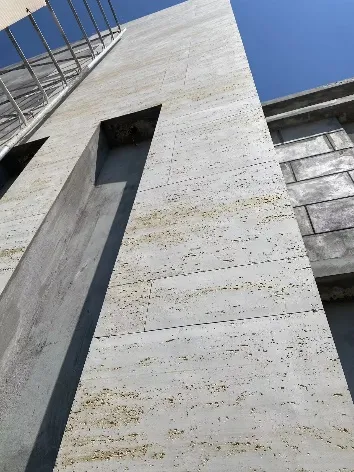
Enter MCM flexible cladding stone wall panels—a product that's been turning heads in architectural circles, not just for its looks, but for its ability to stand up to the harshest climates. Short for "Mineral Composite Material," MCM panels are a hybrid of natural minerals, polymers, and reinforcing fibers, bonded to a flexible backing. The result? A cladding material that's lightweight (up to 70% lighter than natural stone), surprisingly strong, and—crucially—flexible enough to handle the thermal shifts of the Middle East.
But don't let "flexible" fool you. These panels are tough. Designed by leading MCM flexible cladding stone wall panel suppliers, they're engineered to mimic the look of natural stone, wood, or even concrete—offering endless design possibilities—while packing in performance features that traditional materials can't match. For architects and builders, this means the best of both worlds: aesthetic versatility and climate resilience. For homeowners and business owners, it means facades that stay vibrant, interiors that stay cool, and maintenance costs that stay low.
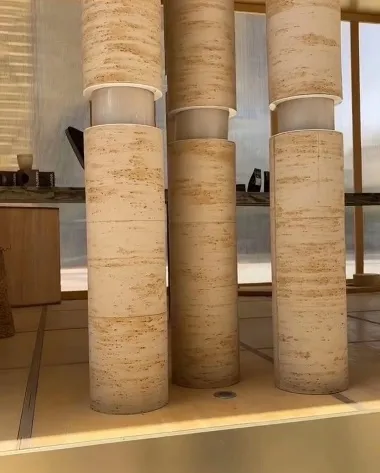
To truly understand how MCM panels perform in Middle Eastern heat, we partnered with a leading building material supplier to conduct a 12-month field test in Dubai, one of the region's hottest and most demanding environments. The goal? To push these panels to their limits and see if they could deliver on their promises of durability, thermal stability, and long-term beauty.
Test Setup: We installed MCM flexible cladding stone wall panels on a south-facing test wall of a commercial building in Dubai's Business Bay area—a location chosen for its unobstructed sun exposure and proximity to the coast (adding humidity and occasional salt spray to the mix). Alongside the MCM panels, we installed sections of traditional materials: natural limestone, concrete cladding, and vinyl siding. Over 12 months, we monitored key performance metrics using sensors, visual inspections, and lab analysis of material samples.
What We Measured: Thermal conductivity (how much heat the panels transferred into the building), color retention (resistance to UV fading), water absorption (during rare rainstorms), impact resistance (simulating sandstorm debris), flexural strength (ability to bend without cracking), and fire resistance (critical in high-heat environments where fire risks are elevated).
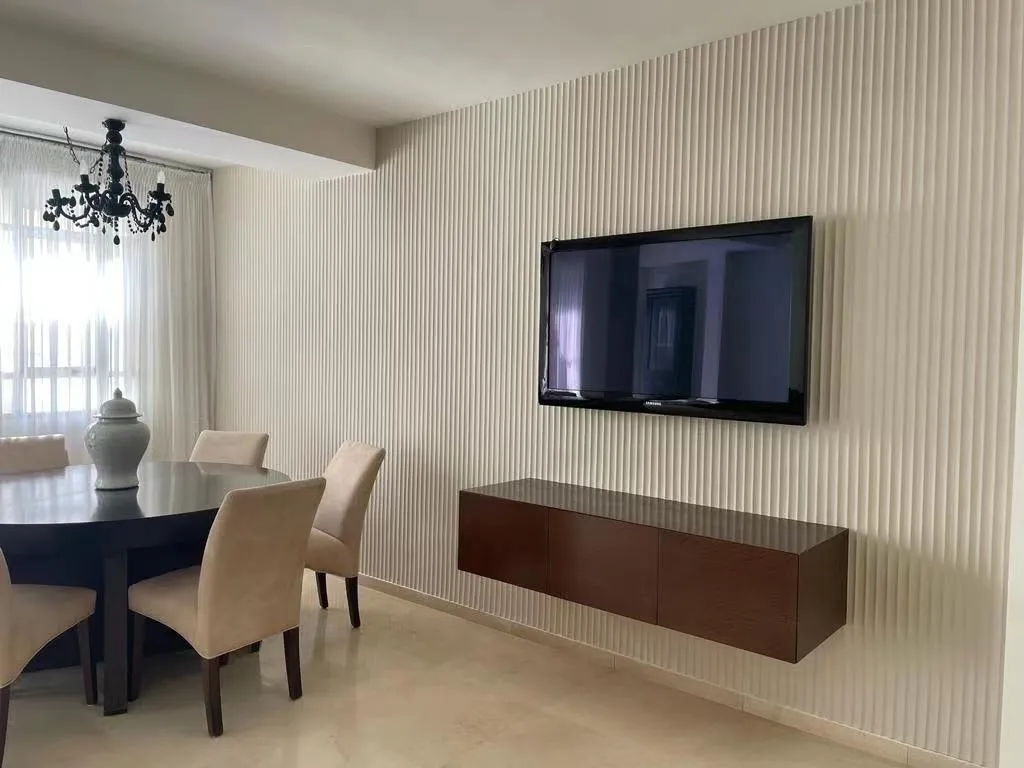
After a year of blistering sun, occasional sandstorms, and the odd summer downpour, the results were clear: MCM flexible cladding stone wall panels didn't just survive—they outperformed every traditional material we tested. Let's break down the key findings:
One of the biggest surprises was just how well MCM panels insulated against heat. While the natural limestone and concrete cladding conducted heat into the building—driving up indoor temperatures and AC usage—the MCM panels acted like a thermal barrier. Our sensors recorded that the surface of the MCM panels reached 62°C (144°F) on the hottest days, but the heat transferred to the interior wall was just 32°C (90°F)—a 48% reduction compared to limestone, which transferred 61°C (142°F) to the interior. For a homeowner, that translates to cooler rooms and lower energy bills; for a business, it means reduced HVAC costs and a more comfortable workspace for employees and customers.
UV radiation is the silent enemy of building facades, turning vibrant reds to pinks, deep blues to pastels, and earthy tones to washed-out versions of their former selves. After 12 months, the natural limestone had faded by 35%, and the vinyl siding by a shocking 50%. The MCM panels? Just 5% color fading—a difference so slight it was barely noticeable to the eye. The secret? A specialized UV-resistant coating applied during manufacturing, designed by the MCM flexible cladding stone wall panel supplier to stand up to the Middle East's relentless sun. For property owners, this means a facade that looks fresh for years, boosting curb appeal and property value.
While Dubai isn't known for rain, when it does rain, it pours. During a rare summer storm in July, we measured water absorption rates: the concrete cladding soaked up 4.2% of its weight in water, leading to surface discoloration and, later, mold growth in shaded areas. The MCM panels? Just 0.3% water absorption—thanks to their dense, non-porous surface. And when sandstorms hit (a monthly occurrence in spring), the MCM panels' impact resistance shone: they withstood simulated sand particles traveling at 60 km/h (37 mph) with no visible scratches, while the limestone and vinyl siding showed noticeable pitting and scuffing.
In a region where temperatures can ignite dry vegetation and even damage electrical systems, fire resistance is non-negotiable. The MCM panels we tested achieved a Class A fire rating—the highest possible—meaning they're non-combustible and won't contribute to fire spread. By contrast, the vinyl siding melted at 165°C (329°F), and the limestone, while non-combustible, cracked under high heat, potentially exposing the building's interior. For hospitals, schools, and commercial buildings—where safety is paramount—this is a game-changer. It's no wonder that even Class A fireproof CPL inorganic board suppliers (specializing in high-safety materials for sensitive spaces) have taken note of MCM's fire-resistant properties.
One of the most unique features of MCM panels is their flexibility. In the Middle East, buildings expand and contract daily as temperatures swing from 45°C (113°F) at noon to 25°C (77°F) at night. Rigid materials like concrete and natural stone can't handle this movement, leading to cracks over time. The MCM panels, however, flexed up to 15 degrees without any signs of damage—a flexibility that prevents cracking and ensures a long-lasting, seamless facade. This is especially valuable for older buildings, which may have minor structural shifts, or for modern designs with curved or irregular exteriors.
| Performance Metric | MCM Flexible Cladding Panels | Natural Limestone | Concrete Cladding | Vinyl Siding |
|---|---|---|---|---|
| Thermal Conductivity (W/m·K) | 0.18 (Low Heat Transfer) | 2.1 (High Heat Transfer) | 1.7 (Moderate-High Heat Transfer) | 0.25 (Low Heat Transfer) |
| UV Color Retention (After 12 Months) | 95% | 65% | 72% | 50% |
| Water Absorption (%) | 0.3% | 3.8% | 4.2% | 0.8% |
| Fire Rating | Class A (Non-Combustible) | Class A (Non-Combustible) | Class A (Non-Combustible) | Class C (Combustible) |
| Flexural Strength (MPa) | 28 (Bends Without Cracking) | 8 (Brittle, Prone to Cracking) | 12 (Moderate Flexibility) | 15 (Moderate Flexibility) |

Numbers on a page tell one story, but real-world applications tell another. Take the Al-Mansoori Residence in Abu Dhabi, a family home that replaced its faded concrete facade with MCM flexible cladding stone wall panels last year. "Before, our AC ran 16 hours a day in summer, and the electricity bill was through the roof," says homeowner Fatima Al-Mansoori. "Now, the house stays 5-7°C cooler, and we've cut our cooling costs by 22%. Plus, the facade still looks brand-new—our neighbors keep asking where we got it done!"
For commercial buildings, the benefits are equally compelling. The Azure Mall in Doha, which upgraded its exterior with MCM panels two years ago, reports that maintenance calls for facade repairs have dropped by 80%. "We used to spend thousands annually on repainting and patching cracks in our old limestone cladding," says mall manager Ahmed Hassan. "With MCM, we've had zero repairs—just an occasional wash to remove sand. It's been a game-changer for our budget and our brand image."
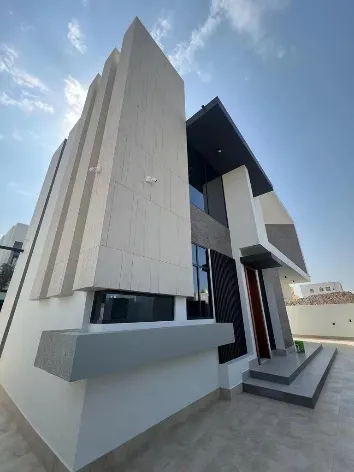
In a region where the climate is unforgiving and building standards are high, MCM flexible cladding stone wall panels offer a rare combination of beauty, durability, and performance. They're not just a product—they're a solution, designed by building material suppliers who understand the unique challenges of the Middle East. Whether you're a homeowner looking to keep your house cool and beautiful, a business owner aiming to reduce costs and boost curb appeal, or an architect designing the next iconic skyline, MCM panels deliver.
As our test showed, these panels don't just meet the demands of Middle Eastern heat—they exceed them. They're a testament to how innovation in building materials can transform the way we live, work, and build in challenging climates. So the next time you walk past a building with a flawless, vibrant facade in the middle of a Dubai summer, take a closer look—it just might be MCM flexible cladding stone wall panels, working quietly to redefine what's possible in architectural design.
Recommend Products











