



Nature's tears shouldn't destroy our monuments. Acid rain quietly eats away at our stone heritage, but science has answered back with a revolutionary shield that's turning vulnerable surfaces into resilient warriors.
When Skies Attack: The Silent Sculptor
Picture this: Michelangelo's David standing in the rain. Not soothing Italian drizzle, but rain that bites . That's acid rain - nature's paradox where water transforms into a stone-eating villain. It’s like watching fire consume ice; an unfair fight where stone slowly surrenders to something as ordinary as rainfall.
Stone doesn't just crumble dramatically. It weeps. First, a faint powdery residue appears - like powdered sugar on marble cake. Then comes the etching. The fine details of a carved angel's wing blur. Granite facades start looking like old chalkboards. And limestone? It dissolves like sugar cubes in hot tea.
The Chemistry Behind the Destruction
At its heart, acid rain is a chemistry betrayal: H₂SO₄ (sulfuric acid) and HNO₃ (nitric acid) disguised as raindrops. When pH drops below 5.6 - sometimes as low as 4.0 in industrial areas - the real trouble starts. At pH 4.0:
- Calcite in limestone dissolves 50x faster than in neutral rain
- Silica bonds in granite weaken like overstretched rubber bands
- Mineral leeching creates honeycomb structures invisible to the naked eye
- Surface roughness increases by 300% after just 6 months exposure
It's not Hollywood destruction. It's slow, patient, and utterly relentless. And without intervention, many of our architectural treasures face gradual erasure.
Stone Skin: Nature's Armor, Perfected
Enter Stone Skin – a surface treatment that doesn't fight chemistry, but hijacks it. Think of it as vaccination for stone. The treatment creates a protective barrier that engages acid rain in a chemical conversation:
Acid Rain: "I'm coming to destroy you!"
Stone Skin: "Actually, let's dance instead."
The magic happens through a three-phase molecular interaction:
- Neutralization Buffer - Zinc oxide nanoparticles intercept H⁺ ions at pH 4.0
- Silicon Rebar - Organosilane compounds form crystalline bridges between mineral grains
- Sacrificial Shield - Calcium carbonate additives intentionally dissolve first, buying time for core protection

How We Built a Better Barrier
Developing this wasn't laboratory guesswork. We studied natural models - how some river rocks survive acid runoff that turns others to sand, how coral skeletons outlast nearby limestone. The solution combines nature's wisdom with nanotechnology.
Application is surprisingly simple, like painting with science:
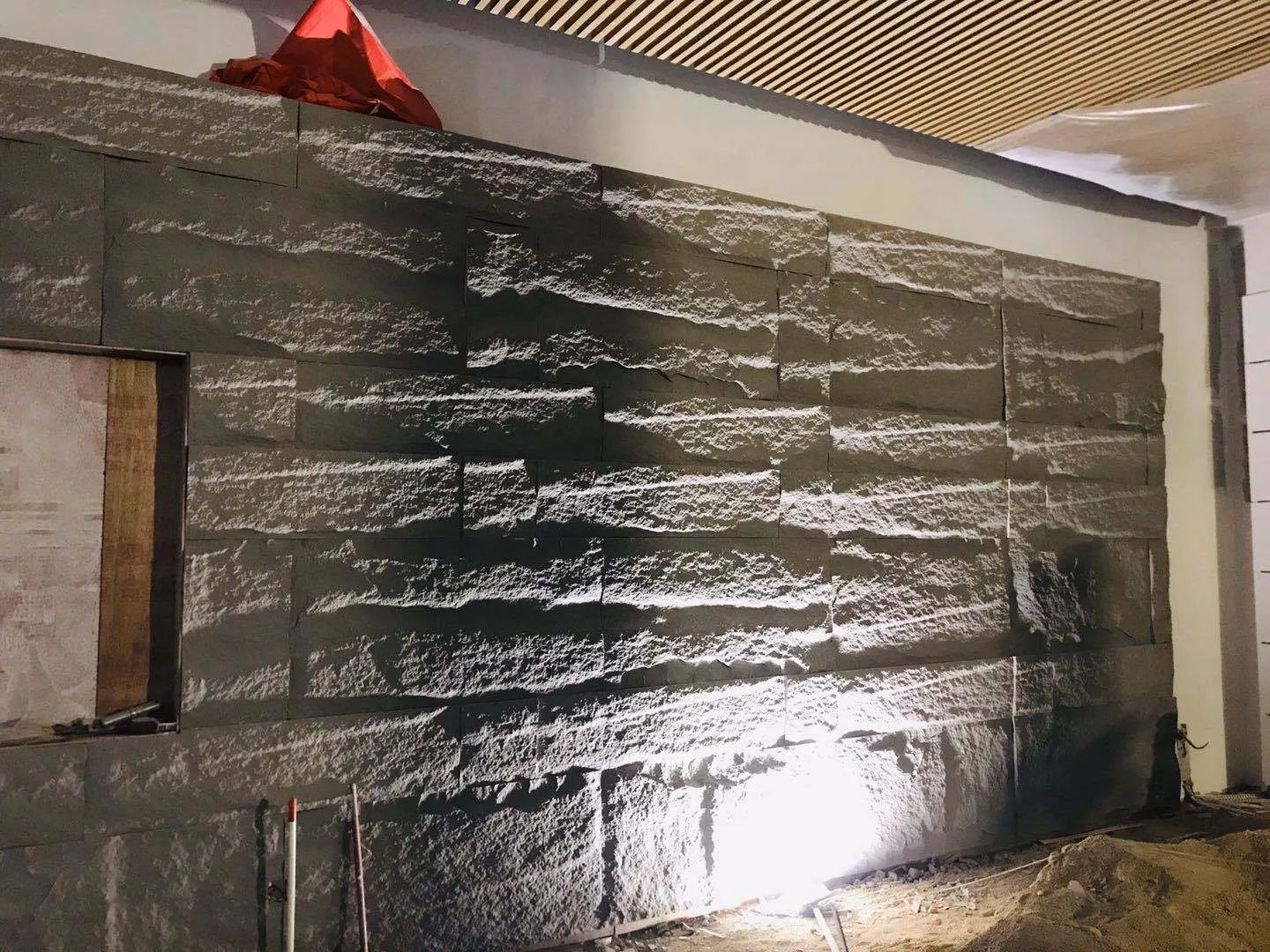
- Surface preparation with alkaline wash to neutralize existing acid damage
- Controlled application of the hybrid silicate solution
- Capillary absorption enhancement with ultrasound resonance
- 24-hour curing where molecules self-assemble like microscopic armor
Beyond Protection: Unexpected Gifts
The beauty of Stone Skin isn't just resistance - it adds value in surprising ways:
Self-Cleaning Magic: Hydrophobic properties cause rain to bead up and roll off, carrying dirt away like tiny janitors.
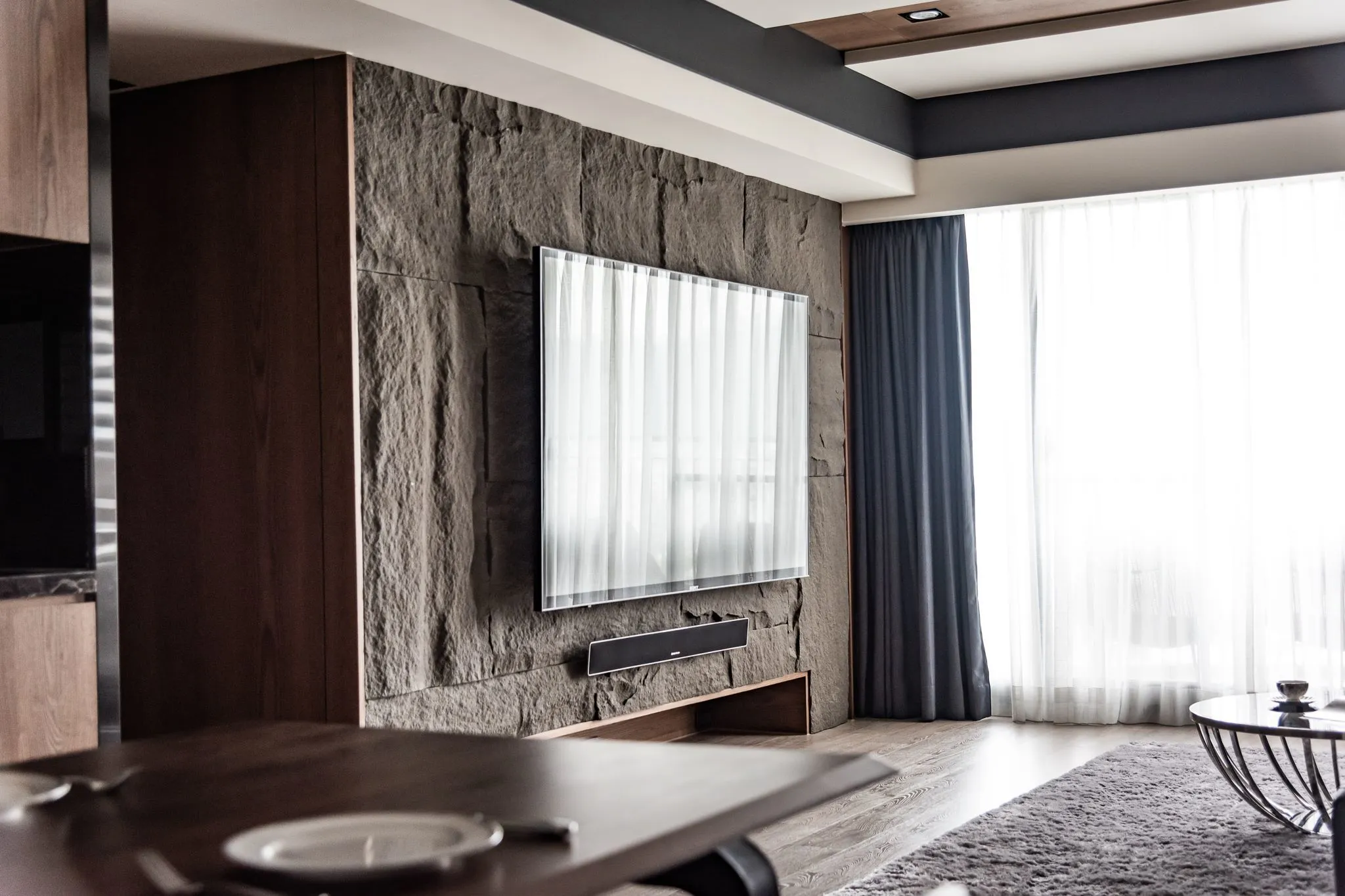
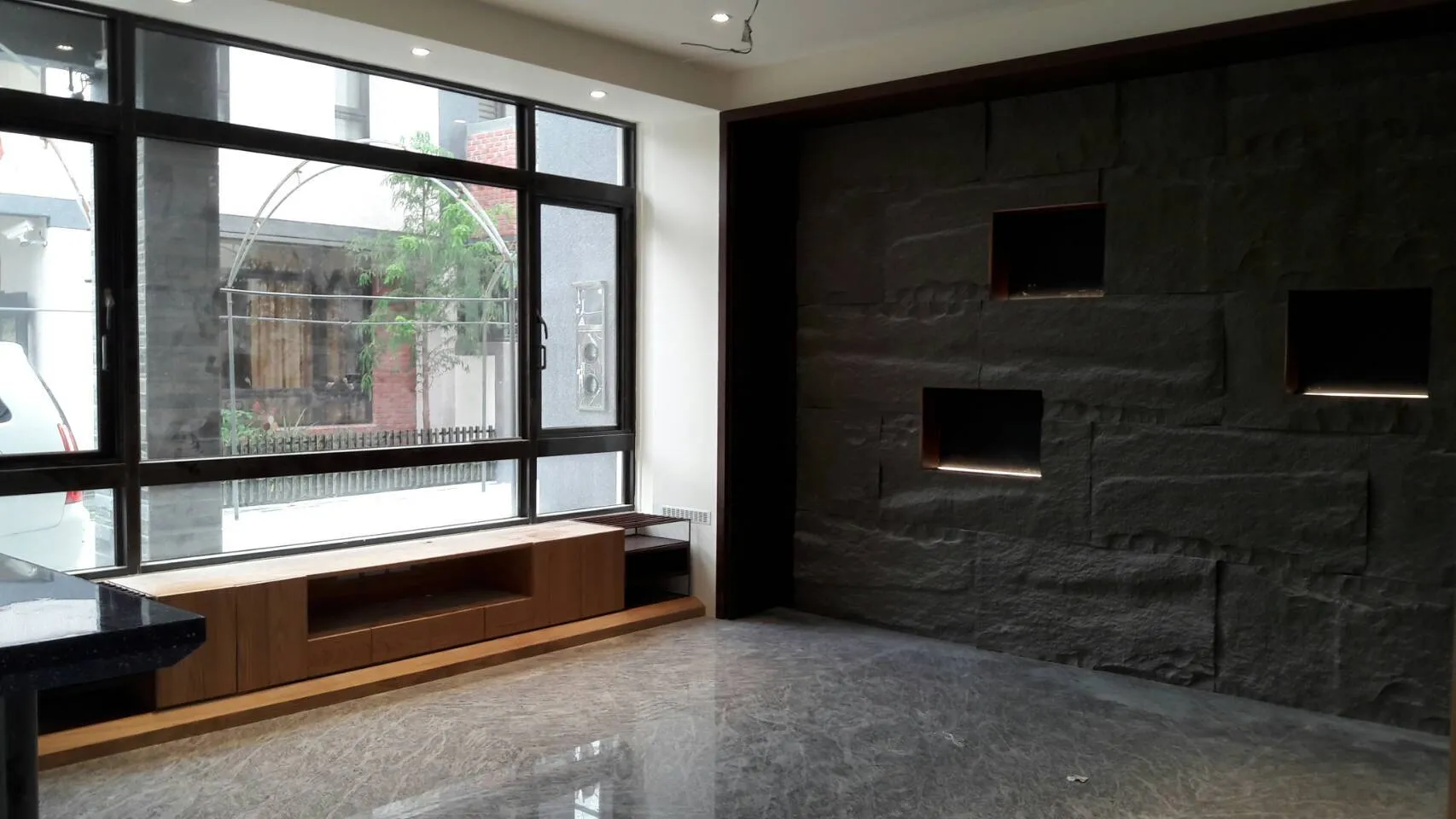
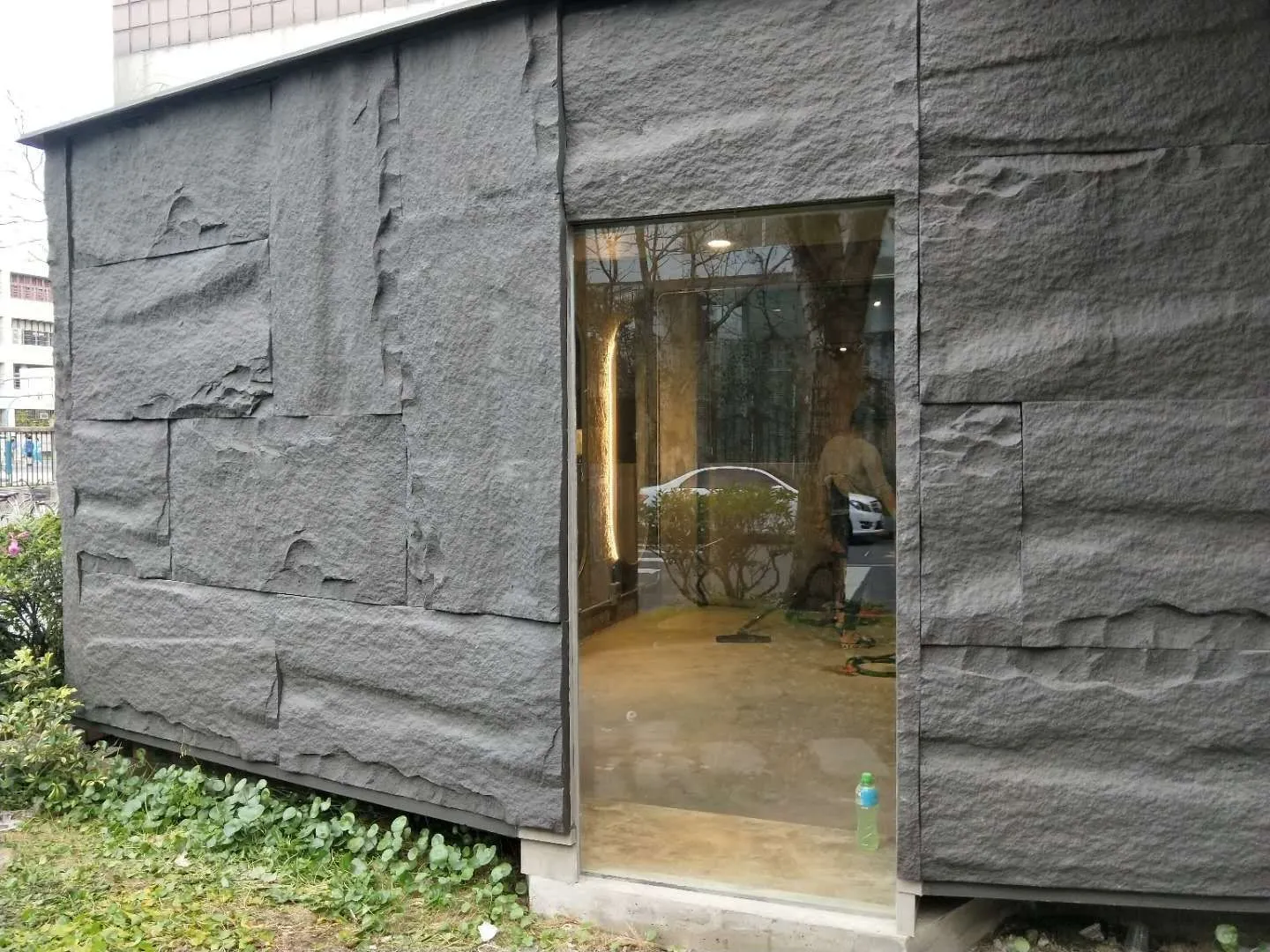
For historical sites using ecological building wall panels , it's transformational. The treatment:
- Reduces cleaning costs by 65% at St. Paul's Cathedral applications
- Extends maintenance cycles from annual to 7+ years
- Maintains natural stone breathability unlike plastic coatings
- Creates UV radiation scattering that minimizes thermal stress
Proof in the Rain: Real-World Guardianship
In the acid rain capital of Europe - Poland's Krakow - Stone Skin protected a 15th-century sandstone church facing pH 3.8 precipitation. After 18 months:
| Surface | Micro-pitting | Surface Loss | Efflorescence |
|---|---|---|---|
| Treated | 0.002mm | None | Minimal |
| Untreated | 0.15mm | Significant | Severe |
The sexton's reaction says it all: "It's like giving the stone its own immune system. The acid rain still comes, but now the building shrugs it off."
Why It Matters Beyond Buildings
This isn't just about architecture. It's about cultural continuity. When we lose stone heritage:
- Historical narratives fade with eroded carvings
- Urban identities disappear with landmarks
- Maintenance budgets cripple cultural institutions
- Carbon footprints grow from constant restoration
Stone Skin turns passive erosion into active resilience. It lets stone age gracefully rather than deteriorate painfully - giving engineers a powerful tool against the inevitable chemistry of modern precipitation.










