


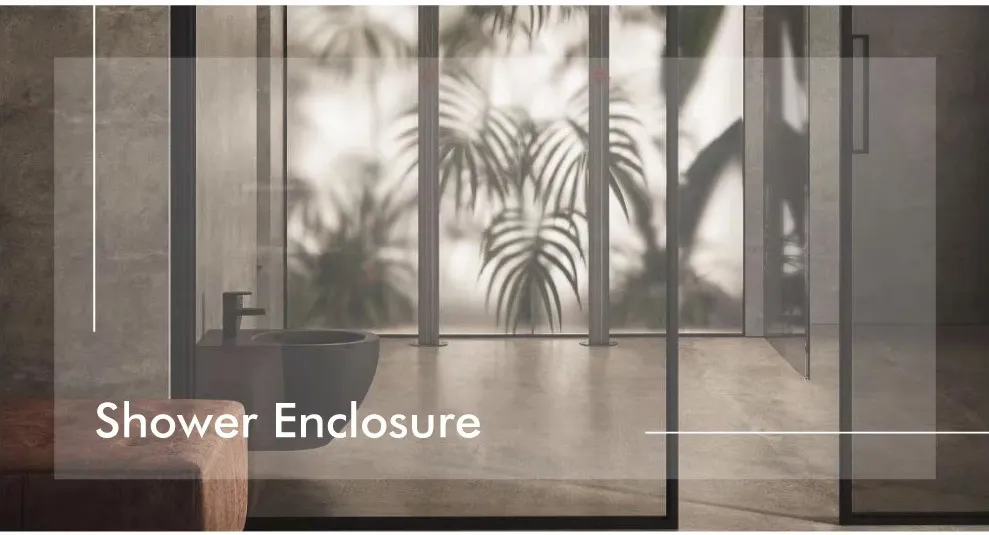
Imagine stepping into a bathroom that doesn't just accommodate you but truly welcomes you. That's the heart of accessible design – creating spaces where everyone, regardless of mobility challenges, feels dignity and independence. ADA compliance isn't about ticking boxes; it's about opening doors.
What Accessibility Really Means
Accessibility goes far beyond ramps and grab bars. It's about freedom – the freedom to move through spaces without barriers, to live without constantly asking for help. When we design bathrooms with true accessibility in mind, we're creating spaces that say: "You belong here."
Space to Breathe and Move
A cramped bathroom becomes a prison for someone using mobility aids. Giving generous turning radii (at least 60 inches diameter) isn't just following rules – it's giving people room to live. Think of it like a dance floor where everyone gets to move freely.
The Nuts and Bolts of ADA Shower Design
Creating shower enclosures that truly work involves thoughtful decisions at every turn:
Thresholds That Disappear
Ever trip over a shower curb? Now imagine doing it with limited mobility. Zero-threshold entries are game changers. They create a seamless transition – what I call "invisible accessibility" because it works beautifully without shouting about disabilities.
Grab Bars Done Right
Those flimsy suction cup bars? They're worse than useless. Proper grab bars must withstand 250 pounds of force and be installed as sturdy companions, not afterthoughts. Position them where people naturally reach for support – like where you'd lean when drying your feet.
The Magic of Fold-Down Benches
A well-designed fold-down bench transforms showering. It becomes a resting place, a grooming station, a safe perch. Set at 17-19 inches high with texture to prevent slipping – these little platforms empower people.
Beyond Compliance: The Unspoken Benefits
Accessible design doesn't just serve people with disabilities; it serves all of us. Ever:
- Carried a child while showering?
- Sprained an ankle and needed support?
- Helped an aging parent navigate the bathroom?
Suddenly those "special needs" features become everyone's lifelines. Truly inclusive bathroom equipment like thoughtfully designed shower enclosures create spaces that adapt to our changing lives.
The humanity test: If your bathroom design works equally well for a 7-year-old, a 70-year-old, and someone recovering from surgery – you've created something truly special.
Bringing It All Together
Creating accessible spaces isn't about perfection on day one. It's about starting conversations, understanding real needs, and remembering that every design choice impacts someone's daily life. When you build bathrooms that invite everyone in, you're not just installing tile and fixtures – you're creating dignity.
Imagine this: A parent watching their child with mobility challenges shower independently for the first time. That look of pride? That's the power of good design.
Materials That Tell a Story
Choose textures that feel warm, not clinical. Matte finishes hide water spots, and contrasting colors help everyone navigate the space. Beauty and function holding hands.
Controls That Make Sense
Shower controls shouldn't require an engineering degree. Single-lever faucets with clear markings? Perfect. Temperature limiters? That's wisdom baked right in.
Our spaces shape our lives more than we realize. When we design with empathy, we're not just building bathrooms – we're building community.










