
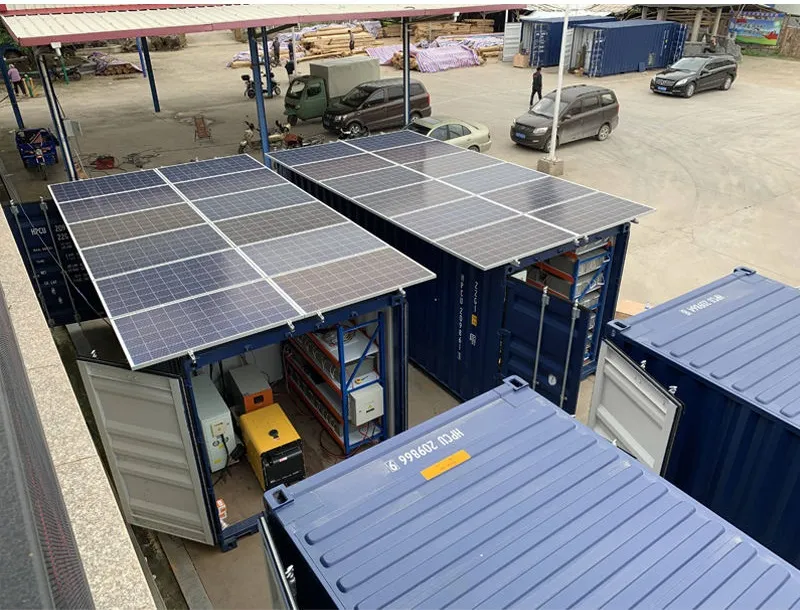
Navigating Regulatory Changes to Balance Renewable Energy Growth with Grid Stability
Picture this: Indonesia, a tropical paradise with more sunshine than most places on Earth, where solar energy should be powering homes and businesses at unprecedented rates. Yet, there's a tug-of-war happening between solar adopters and state electricity utility PLN. Why? Because rooftop solar regulations have become a complicated balancing act that's reshaping the renewable energy landscape.
In early 2024, Indonesia introduced MEMR Regulation No. 2 of 2024 (MEMR 2/2024), replacing the previous 2021 regulations. This seismic shift fundamentally changes how solar panels connect to PLN's grid—eliminating net metering benefits, implementing quotas, and redefining approval processes. For homeowners and businesses considering solar installations, understanding these new rules isn't just helpful; it's essential to navigate a system where regulations keep moving like shifting sands.
We'll dive deep into five transformative changes transforming Indonesia's solar energy ecosystem. More importantly, we'll explore what these changes mean for ordinary Indonesians trying to harness the sun's power—how it affects installation costs, payback periods, and the practical hurdles you'll actually face. This isn't just technical jargon; it's about real impact on people's lives and wallets.
Core insight: The new solar regulations fundamentally shift incentives away from exporting power to prioritizing energy self-consumption . This transforms rooftop solar from a potential income source into a tool primarily for direct consumption and carbon footprint reduction.
Under MEMR 2/2024, PLN now holds unprecedented control over rooftop solar development through a quota system that prioritizes grid stability over unbridled renewable growth. Here's how it actually works for homeowners and businesses:
PLN must now develop five-year solar development roadmaps divided into yearly chunks. Each February, they'll announce quotas for specific zones—essentially creating regional solar "allowances." If you're considering installation in Jakarta, your approval could depend entirely on whether PLN's allocated capacity for the capital hasn't been exhausted that year.
What does this mean practically? Imagine trying to book concert tickets when only 100 are available. That's now the reality for solar permits—first-come-first-served allocation where timing becomes as critical as technical feasibility. During PLN's pilot implementation, some neighborhoods saw quotas filled within weeks of announcement.
PLN's justification boils down to grid inertia—traditional power plants provide stability that intermittent solar can't. Sudden cloud cover reducing solar output by 80% requires immediate backup generation. Without it, frequency drops could cascade into blackouts.
Former MEMR Director General Rida Mulyana explained: "Think of the grid as a delicate balancing scale. Solar creates fluctuations we must buffer until we deploy smart grid technologies and utility-scale batteries—likely post-2030." Translation: Your solar ambitions must fit PLN's decade-long transition timeline.
A critical concern centers around opacity. MEMR 2/2024 specifies no methodology for quota calculation—PLN determines figures behind closed doors. Industry surveys reveal widespread frustration: 78% of installers report clients rejected without explanation beyond "quota filled."
Solar developer Andika Pratama shared: "We had a factory ready to install 500kW—perfect application. PLN's rejection simply cited 'exceeded local capacity,' though neighboring districts had availability. Without transparent criteria, we can't properly advise clients."
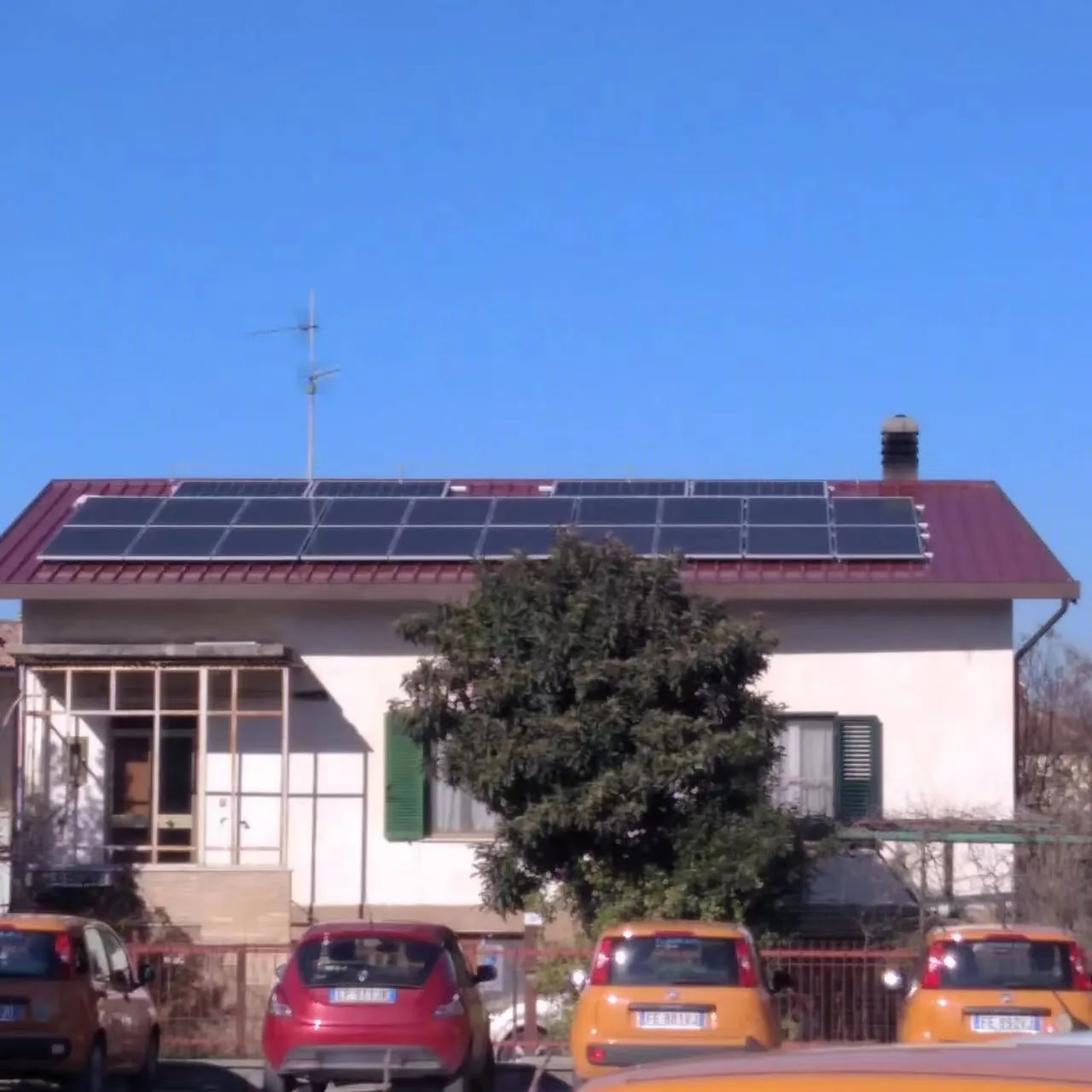
MEMR 2/2024 eliminated net metering entirely—arguably the most dramatic solar policy reversal in Southeast Asia. Here's what changed and what it really means for payback periods:
Previously under net metering, surplus energy sent to the grid earned 1:1 credit against consumption. For middle-class households with 5kW systems, this could slash bills by 60-80%, paying back installations in 6-8 years.
Today? That excess power earns nothing . Any unused electricity you feed back vanishes like smoke. Your solar investment now saves money only by reducing what you take from PLN—requiring careful consumption alignment.
| Scenario | Net Metering Era | MEMR 2/2024 Era |
|---|---|---|
| 5kW Home System Payback | 6-8 years | 10-12 years |
| 500kW Factory Savings | 42-45% monthly savings | 28-32% monthly savings |
| Surplus Energy Value | Full retail credit (Rp 1,444/kWh) | Rp 0/kWh |
With no export revenue, solar economics now favor load shifting and self-consumption. Bali-based installer Solahart now deploys batteries even on residential jobs, whereas previously they rarely did:
"We're configuring systems to store afternoon surplus for evening use instead of exporting. For bakeries running ovens mornings, we size systems to cover just morning peaks rather than full daily consumption."
The implications? Lower return on investment but greater grid independence. Paradoxically, PLN's policy discouraging exports may accelerate battery adoption and true energy self-sufficiency—outcomes potentially counter to utility interests.
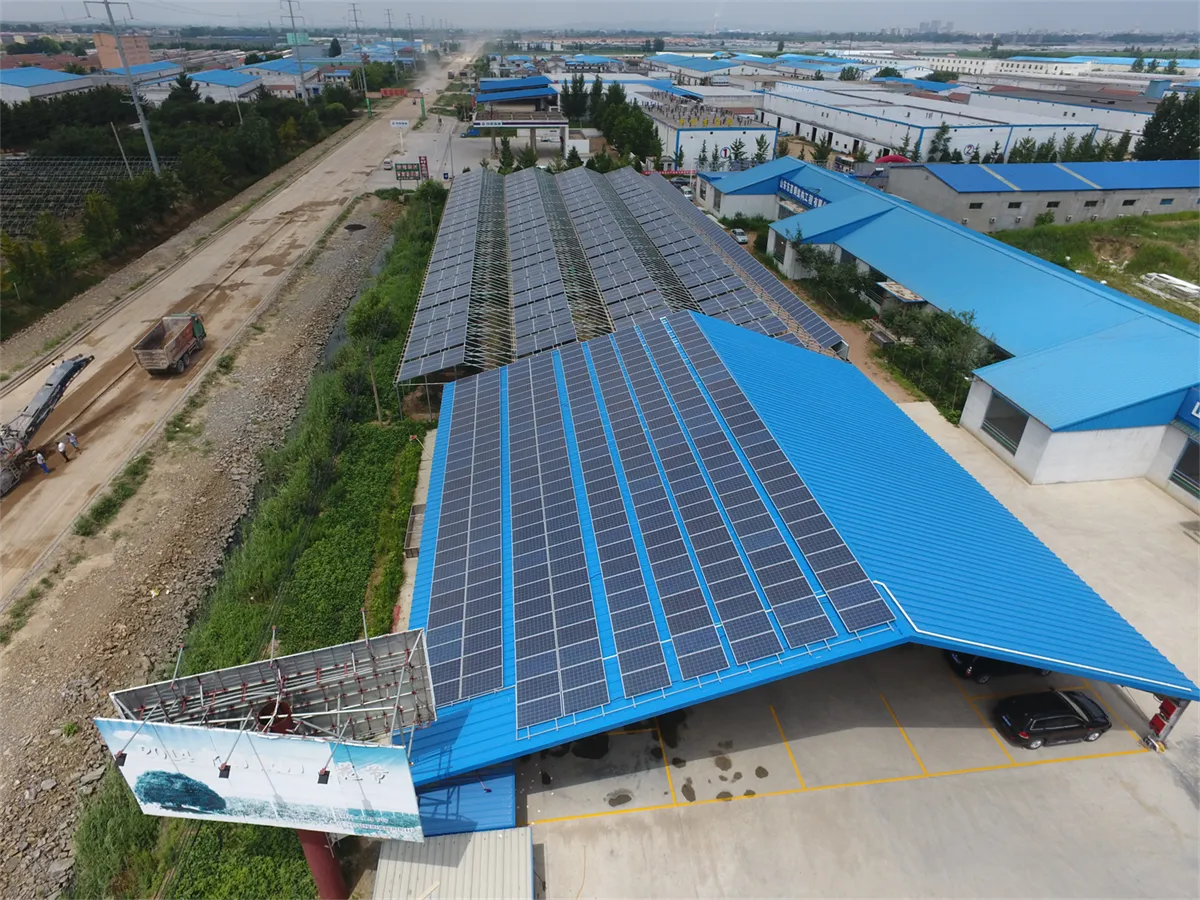
Industrial facilities got one win: elimination of capacity charges. Previously, factories paid monthly fees just for backup connection availability—often Rp 350,000 per kW. For a medium factory with 500kW connection, that meant Rp 175 million monthly surcharge.
MEMR 2/2024 abolished this, significantly improving commercial solar economics. Though net metering loss hurts more, manufacturers still see 12-16% improved ROI versus pre-2024 regulations.
A potential bright spot: the new "deemed approval" process. Applicants now receive automatic approval if PLN doesn't respond within 30 days. Installers report 40% of approvals now come through this channel versus active sign-off.
But the reality? PLN often responds on day 29 with requests for impossible documentation or vague rejections. The deemed approval clause sounds powerful but remains largely theoretical as few successfully navigate it.
A bombshell buried in Article 40: Carbon credits from solar installations belong to the government until otherwise regulated. For corporations using solar to claim ESG achievements, this creates certification uncertainty.
Sustainability officers report complications verifying emission reductions in sustainability reports. Though largely symbolic currently, this could impact future corporate carbon accounting as regulations evolve.
If you installed solar before February 2024, breathe easier—your existing benefits remain until 2034:
But watch deadlines closely. Systems installed post-MEMR 2/2024 operate under entirely different rules. If PLN approved your application before February but installation completes after? You fall under the new regime.
Notably, unregistered existing systems must legalize within three months of regulation issuance to retain benefits—a grace period now expired. Non-compliant systems risk disconnection or heavy fines.
The quota system makes application timing critical. Mark these dates:
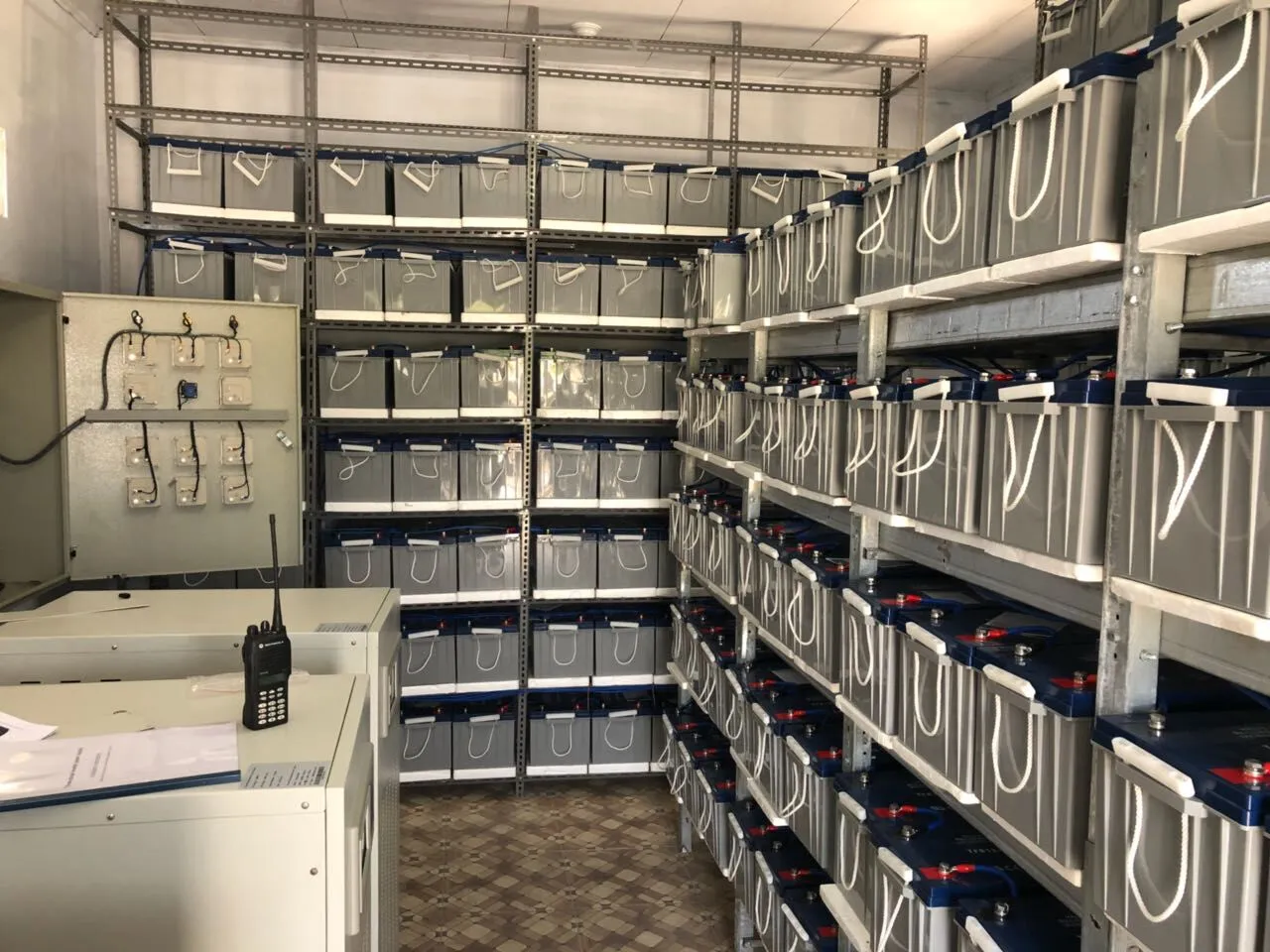
With zero export value, system design shifts:
Pro tip: Businesses should phase installations—starting with pilot systems to secure grandfathering before expanding. Hotels can begin with back-office areas before covering guest rooms to spread risk.
The MEMR 2/2024 changes mirror global tensions between distributed solar and utility business models. Indonesia must balance competing priorities:
"PLN carries immense social obligations—supplying affordable power across 17,000 islands. This regulatory shift is their firewall protecting universal service against solar's grid integration costs."
- Energy economist Darmawan Prasodjo
Environmentalists note contradictory signals: While Indonesia pledges 23% renewables by 2025, measures like solar quotas actually slow deployment. Distributed solar grows 60% slower under MEMR 2/2024 according to IESR projections.
The solution? Many experts advocate for transparent grid upgrade charges instead of quotas. Rather than capping solar, PLN could recover integration costs through moderate access fees—rewarding load-shifting behavior that helps grid stability.
Integrating solar into structures aligns with using environmentally friendly building materials that reduce carbon footprints beyond just energy generation. Solar PV systems work best when integrated with insulation and passive design.
The MEMR 2/2024 isn't a solar rejection but a recalibration—one prioritizing grid resilience while channeling solar toward self-consumption rather than utility-scale replacement. By understanding both the technical rules and real-world implications like capacity limits and approval windows, homeowners and businesses can still harness Indonesia's abundant sunshine—just under new terms requiring smarter approaches.
Recommend Products












