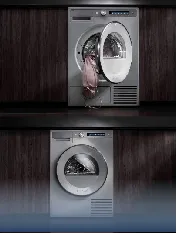
Whether you are outfitting a newly constructed apartment building, renovating a hotel, or completing a single-family home, the washing machine is one of those appliances that rarely gets the attention it deserves—until something goes wrong. A well-chosen washing machine can serve reliably for years, while a poorly selected unit leads to maintenance headaches, tenant complaints, and unexpected replacement costs. This guide walks you through the key considerations for selecting the right washing machine solutions for projects of any scale, with practical advice drawn from real-world procurement experience.
Understanding Washing Machine Types and Their Best Applications
Not all washing machines are created equal, and the first step in making a sound purchasing decision is understanding which type suits your specific project requirements. Front-load washers are widely favored for their water efficiency, superior cleaning performance, and gentle treatment of fabrics. They are the go-to choice for most residential projects and mid-range hotels. Top-load models, by contrast, offer faster wash cycles and easier loading without bending down—a feature that appeals to elderly residents and accessible-design projects.
For commercial applications such as large hotels, hospitals, and laundry facilities, industrial-grade machines with higher drum capacities and reinforced components become essential. These units are built to handle continuous daily operation, often with programmable wash cycles tailored to different fabric types and soiling levels. Matching the machine type to the intended usage environment is not just about performance—it directly affects long-term maintenance costs and user satisfaction.
Key Consideration: A front-load washer typically uses 30-50% less water than a comparable top-load model, making it the preferred choice for projects where water conservation and utility cost reduction are priorities.
Capacity Planning: Getting the Drum Size Right
Capacity is where many procurement decisions go wrong. A compact 6–7 kg drum might suffice for a studio apartment, but a four-bedroom family home will quickly outgrow it, forcing residents to run multiple cycles just to keep up with weekly laundry. For residential projects, an 8–10 kg capacity generally strikes the right balance between space efficiency and practical usability. Hotel projects, on the other hand, require a different approach entirely—housekeeping teams need machines that can handle bulky items like duvets, towels, and bed linens in large volumes, which means 12 kg or larger commercial-grade units become the baseline.
It is also worth considering whether each unit needs its own washing machine, or whether a shared laundry room with multiple machines would better serve the building. The answer depends on the target demographic and the project's design philosophy, but getting this decision right can significantly impact both upfront costs and long-term operational efficiency.
Energy Efficiency and the Cost of Ownership
The purchase price of a washing machine tells only a small part of the story. Over a typical 10-year lifespan, energy and water consumption can easily exceed the initial cost of the unit itself. This is especially relevant for developers and property managers who bear the utility costs for common-area laundry facilities. High-efficiency models with inverter motor technology consume less electricity per cycle, run quieter, and tend to have longer service lives than their conventional counterparts.
When evaluating home/kitchen/hotel appliances solutions, look beyond the sticker price and consider the total cost of ownership. A machine with a higher upfront cost but lower energy ratings may prove cheaper over five years than a budget alternative that runs inefficiently. For volume procurement across multiple units or an entire hotel property, these differences compound into significant operational savings.
Coordinating Laundry Appliances Across Your Project
A washing machine does not exist in isolation—it is part of a broader laundry ecosystem that includes the physical space, plumbing connections, electrical requirements, and often complementary appliances such as dryers. For new construction projects, early coordination between the appliance specification and the architectural design prevents the all-too-common scenario of discovering that a chosen washing machine does not fit through the laundry room doorway or that the electrical circuit cannot support its power draw.
This is where working with a one-stop architectural solution provider brings measurable value. Instead of juggling separate suppliers for appliances, plumbing fixtures, flooring, and cabinetry, a single partner can coordinate specifications across all 13 product categories. For a laundry area, this means the washing machine, the laundry solutions cabinetry, the flooring, the plumbing pipes and fittings, and even the room lighting can all be sourced through one supply chain. The result is fewer coordination errors, faster procurement timelines, and a more cohesive end result.
What to Look for in a Washing Machine Supplier
Selecting the right machine is half the battle; selecting the right supplier is the other half. Here are the criteria that experienced procurement managers prioritize when evaluating washing machine suppliers:
Product Range Depth: A supplier that offers multiple capacity options, both front-load and top-load configurations, and models suited to different budgets gives you the flexibility to match each unit or room type to its specific needs rather than settling for a one-size-fits-all approach.
Supply Chain Reliability: Lead times matter enormously in construction projects. A supplier with established manufacturing partnerships and logistics networks can deliver on schedule, avoiding costly project delays.
Technical Documentation: Clear specifications, installation guides, and dimensional drawings allow architects and contractors to plan with confidence. Suppliers that can provide this documentation upfront demonstrate professionalism and reduce downstream hassle.
After-Sales Support: Warranties and spare parts availability are not merely nice-to-have features—they are essential protections for projects where appliance downtime directly impacts resident satisfaction or hotel operations.
Multi-Category Capability: Perhaps most importantly, a supplier that can also provide the complementary products you need—pipes, electrical fixtures, flooring, ceiling materials—eliminates the complexity of managing a fragmented vendor list.
Common Pitfalls to Avoid in Washing Machine Procurement
Over years of observing construction and renovation projects, several recurring mistakes stand out. The first is specifying washing machines too late in the design process, after cabinetry dimensions and plumbing rough-ins have already been locked in. This forces costly rework or compromises on the appliance itself. The second is underestimating the importance of local service infrastructure—a washing machine that cannot be serviced quickly in the country where it is installed becomes a long-term liability rather than an asset. The third is focusing exclusively on the appliance while neglecting the surrounding environment: inadequate ventilation around the machine promotes mold growth, and improper flooring can amplify vibration noise that disturbs adjacent rooms.
Simplify Your Next Project with a Single Partner
COLORIA GROUP, based in Foshan, China, is a comprehensive building materials supplier covering 13 product categories—from walls, flooring, and ceiling materials to sanitary fixtures, customized furniture, home appliances, elevators, and solar panels. With an overseas agent in Saudi Arabia and a proven track record of serving construction projects worldwide, we help developers, contractors, and hotel operators consolidate their procurement under one roof. Our washing machine solutions are part of a full home/kitchen/hotel appliances solutions portfolio that includes refrigerators, stoves, range hoods, ovens, dishwashers, and air conditioners—all sourced, quality-checked, and delivered through a single supply chain.
To discuss your project requirements and explore how a coordinated approach to building materials procurement can save you time, reduce costs, and simplify your construction timeline, contact our team today.