


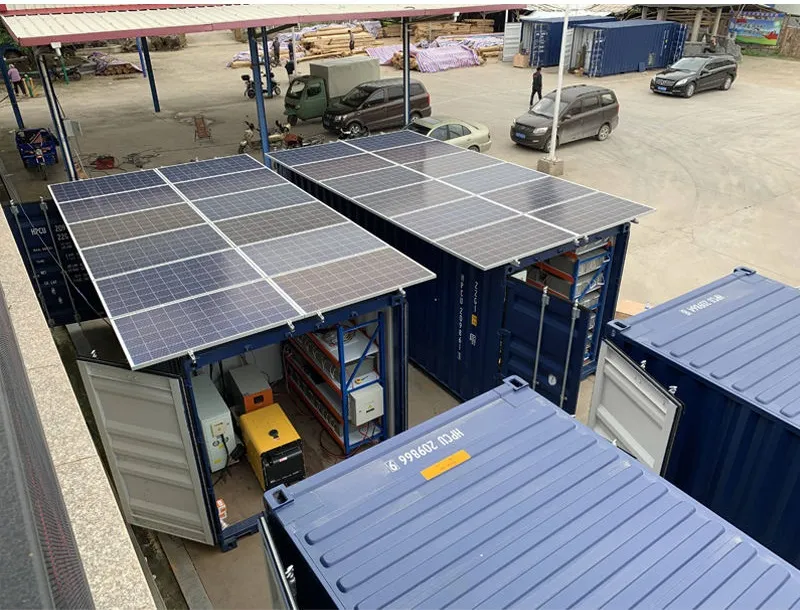
Hey there, future solar superstar! If you're thinking about harnessing the sun's power for your home or business, you're probably wondering: "Which solar panel type is right for me?" It's like picking between chocolate, vanilla, and strawberry ice cream – they're all sweet but serve different tastes. I'll break down the top solar players in plain English, so you can make a choice that feels just right.
The Solar Powerhouse: Monocrystalline Panels
Meet the luxury sedan of solar panels. Made from single silicon crystals sliced thinner than your phone screen, they’re sleek black rectangles that scream "premium energy.” What makes them special?
Efficiency MVP
Converts up to 22% of sunlight into electricity – perfect when roof space is tight.
Longevity King
Lasts 25+ years with minimal fuss. Think of it like a reliable old friend.
Heat Tolerant
Doesn’t sweat when temps soar, unlike cheaper alternatives.
Is it the best choice for everyone? Maybe not – your wallet might flinch at their price. But in the world of solar, these are the elite athletes delivering top performance.
The Bargain Buddy: Polycrystalline Panels
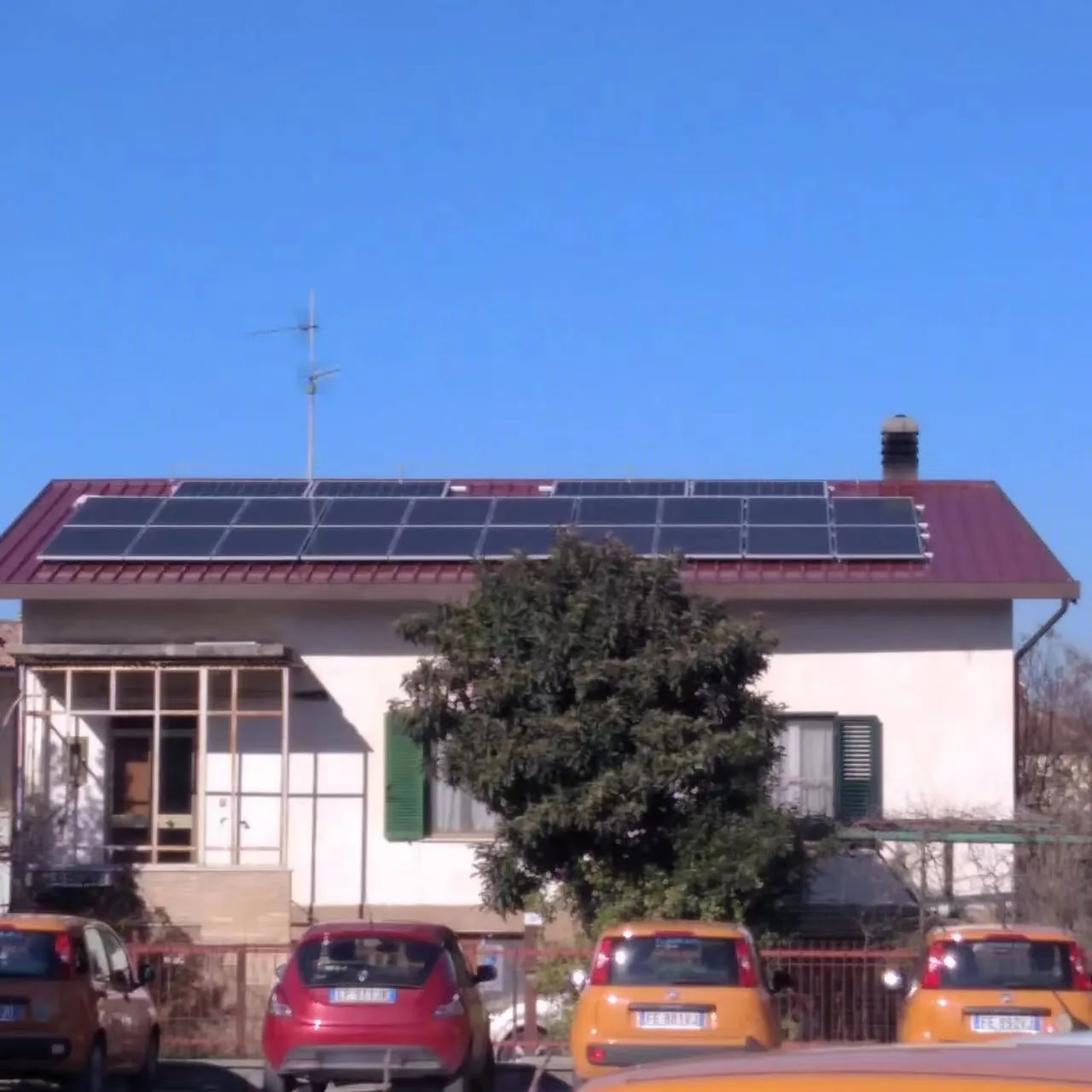
Don't need designer panels? Meet polycrystalline – the practical pick that gets the job done. Made from melted silicon fragments poured into molds, they’ve got that distinctive blue mosaic look. Why do so many homeowners pick them?
Budget-Friendly
Costs 10-15% less upfront than monocrystalline panels.
Good Enough Output
15-17% efficiency – ideal for spacious roofs.
Eco-Conscious
Uses recycled silicon, creating less manufacturing waste.
They aren’t the star quarterbacks, but they’re solid team players. Perfect for sun-drenched climates like Arizona where temperatures actually boost their photovoltaic efficiency!
The Flexible Innovator: Thin-Film Panels
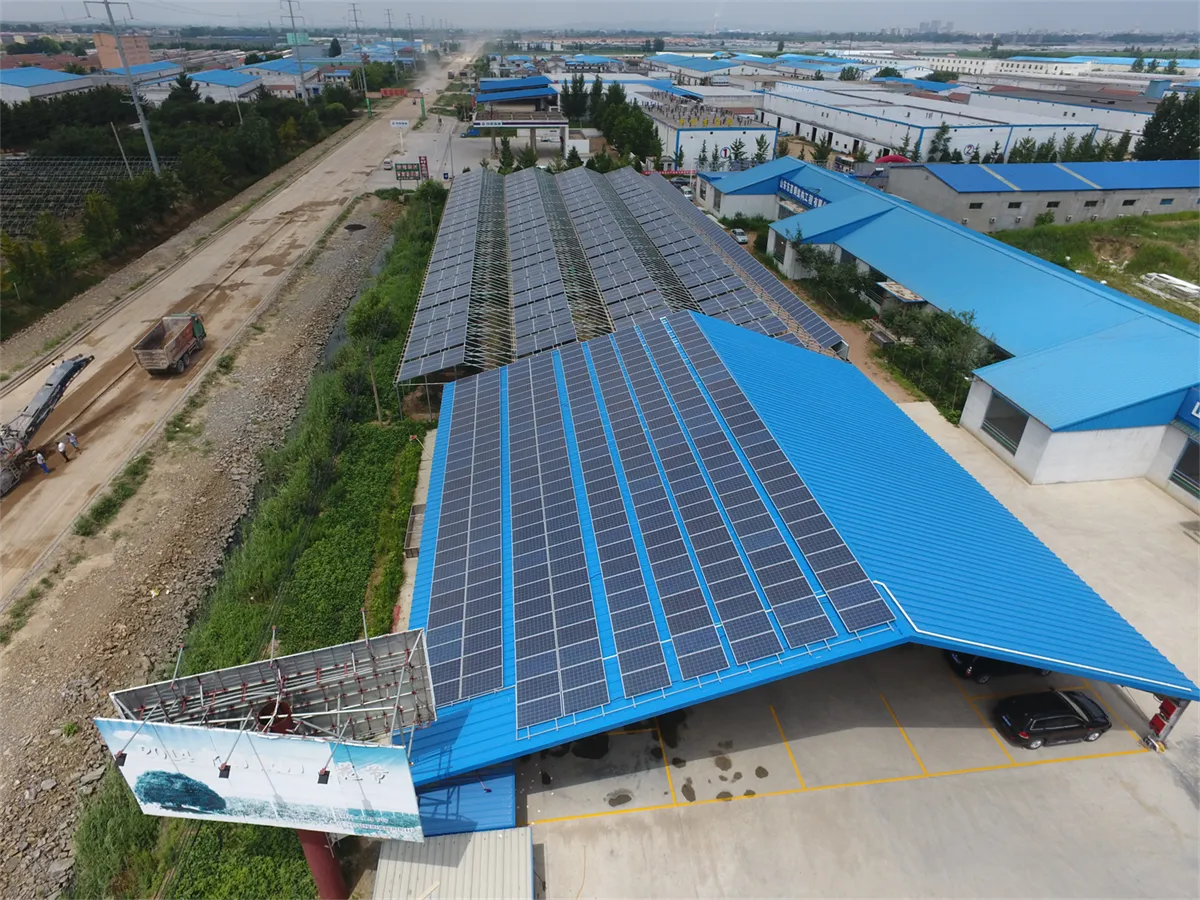
Imagine solar panels you can literally roll up like a yoga mat. That’s thin-film technology! By layering materials like cadmium telluride or amorphous silicon onto surfaces, they’re the rebels shaking up solar norms.
| Flex Superpower | Installs on curved roofs, RVs, even backpacks! |
|---|---|
| Lightweight Champion | 50% lighter than traditional panels – your roof won’t groan. |
| Efficiency Trade-off | Just 10-13% efficiency means you’ll need more space. |
| Longevity Note | Lifespan about 15 years before needing replacement. |
For adventurous souls needing unconventional setups, this emerging technology delivers flexibility that rigid panels simply can't match.
The New Contenders: BIPV & PERC Technologies
The solar world never sleeps, and these fresh faces are turning heads:
Building-Integrated (BIPV)
Solar shingles disguised as roof tiles. No bulky panels!
PERC Panels
Monocrystalline’s brainy sibling – adds 5% more efficiency via rear-side absorption.
These innovations prove solar energy isn’t stuck in the past – it’s racing toward sleeker, smarter designs blending with architecture.
Your Solar Decision Checklist
Still torn? Answer these questions:
- What’s your roof’s shape & size? Compact spaces demand monocrystalline; wide roofs suit polycrystalline.
- What’s your budget? Premium models cost 30% more upfront but pay off faster in sunny regions.
- Any aesthetic concerns? Hate how panels look? BIPV or thin-film camouflage might sway you.
- How long will you stay put? Moving in 10 years? Polycrystalline’s payback hits faster.
Choosing the right energy solution feels deeply personal – almost like adopting a pet. You want that blend of reliability, comfort, and knowing you're contributing to a sustainable world by leveraging renewable solar resources.










