
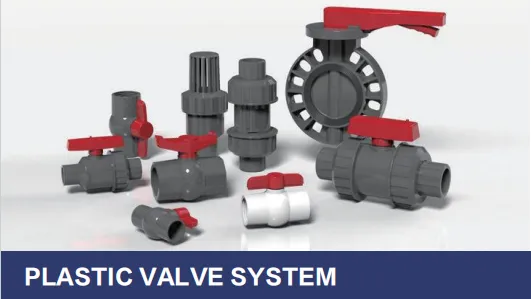
Building projects, whether residential high-rises, commercial complexes, or public facilities like schools and hospitals, are intricate ecosystems of interconnected systems. From structural frameworks to electrical wiring, every component plays a vital role in ensuring safety, functionality, and longevity. Among these, plumbing systems often fly under the radar—until a leak springs or a valve fails. At the heart of any reliable plumbing setup lies the humble valve: a device that controls the flow of liquids or gases, directing, stopping, or regulating pressure with precision. In recent decades, the construction industry has seen a significant shift from traditional metal valves to plastic alternatives, and for good reason. Plastic valve systems offer a unique blend of durability, affordability, and versatility that makes them ideal for modern building projects. If you're new to the world of construction or simply looking to understand how these essential components work, this guide will walk you through everything you need to know about plastic valve system solutions—from their basic functions to choosing the right supplier and ensuring long-term performance.
Before diving into specifics, let's clarify what we mean by "plastic valve system solutions." At its core, a plastic valve is a mechanical device made from polymer materials (like PVC, UPVC, or CPVC) designed to manage fluid flow in piping systems. But "solutions" go beyond the valve itself—it encompasses the entire package: the valve type, material, size, compatibility with pipes and fittings, technical support, and after-sales service provided by a plastic valve system supplier . In building projects, these solutions are tailored to meet the unique demands of the project, whether it's a small residential renovation or a large-scale commercial development. Unlike one-size-fits-all products, effective plastic valve system solutions consider factors like water pressure, temperature, chemical exposure, and local building codes to ensure seamless integration into the plumbing network.
One of the key reasons plastic valves have gained traction is their adaptability. Unlike metal valves, which can corrode over time when exposed to water, chemicals, or salt, plastic valves are inherently resistant to rust and degradation. This makes them particularly useful in environments where durability is non-negotiable—think coastal buildings with saltwater exposure or industrial facilities with chemical-laden fluids. Additionally, plastic valves are lightweight, making them easier to transport, handle, and install compared to their metal counterparts. This not only reduces labor costs but also minimizes the risk of injury on construction sites. For beginners, understanding that plastic valve systems are more than just "cheap alternatives" to metal is crucial—they're engineered solutions designed to deliver long-term reliability in diverse building contexts.
If metal valves have been around for centuries, why the shift to plastic? The answer lies in a combination of performance, cost, and practicality. Let's break down the advantages:
Of course, plastic valves aren't without limitations—they may not be suitable for extremely high temperatures or pressures compared to metal. But for most building projects, especially those involving water supply, drainage, or low-to-medium pressure systems, they offer an unbeatable balance of performance and value.
Not all plastic valves are created equal. Each type is designed for specific functions, and choosing the right one depends on your project's needs. Here's a breakdown of the most common types you'll encounter:
Ball valves are perhaps the most versatile type, featuring a hollow, perforated ball that rotates to control flow. When the ball's hole aligns with the pipe, flow is open; when rotated 90 degrees, it's closed. They're known for quick, quarter-turn operation and tight shut-off, making them ideal for applications where on/off control is needed (e.g., residential water lines, irrigation systems). Plastic ball valves are often made from PVC or UPVC and are available in sizes ranging from ½ inch to 12 inches or more.
Gate valves use a vertical gate (or wedge) that lowers into the pipe to block flow. They're best for fully open or fully closed applications, as they don't regulate flow well when partially open. Common in large-diameter pipes (like main water lines in commercial buildings), plastic gate valves are valued for their low pressure drop when open. However, they're slower to operate than ball valves and can be prone to leakage if not fully closed.
Check valves (or non-return valves) prevent backflow, ensuring fluid flows in only one direction. They're critical in systems where reverse flow could damage equipment or contaminate water supplies (e.g., hot water heaters, sump pumps). Plastic check valves come in swing, lift, or spring-loaded designs, with spring-loaded being the most reliable for low-pressure applications.
Butterfly valves have a rotating disc that controls flow, similar to a ball valve but with a flat disc instead of a ball. They're lightweight, compact, and cost-effective for large-diameter pipes (e.g., wastewater systems in commercial buildings). While they offer good flow control, they may not provide the same tight shut-off as ball valves, making them better suited for throttling applications.
Globe valves use a plug (or disc) that moves up and down to regulate flow, making them ideal for precise flow control (e.g., in heating systems or industrial processes). They have higher pressure drops than ball or gate valves but offer superior throttling capabilities. Plastic globe valves are less common than metal ones but are available for low-pressure, non-corrosive applications.
| Valve Type | Best For | Materials | Pros | Cons |
|---|---|---|---|---|
| Ball Valve | On/off control, tight shut-off | PVC, UPVC, CPVC | Quick operation, low maintenance | Not ideal for throttling |
| Gate Valve | Full open/closed, large pipes | PVC, UPVC | Low pressure drop | Slow operation, potential leakage |
| Check Valve | Preventing backflow | PVC, PEX, PPR | Protects equipment, no external power needed | May require regular cleaning |
| Butterfly Valve | Large pipes, throttling | PVC, UPVC | Lightweight, cost-effective | Less tight shut-off than ball valves |
The performance of a plastic valve largely depends on its material. Different polymers offer varying levels of strength, temperature resistance, and chemical compatibility. Here's a closer look at the most common materials used in plastic valve systems:
PVC is the most widely used plastic for valves, prized for its affordability and versatility. It's suitable for cold water systems, drainage, and non-potable water applications. However, PVC can become brittle at low temperatures and may not withstand high heat, limiting its use in hot water systems.
UPVC is a rigid, stronger version of PVC (without plasticizers), making it ideal for high-pressure applications. It's resistant to chemicals, corrosion, and temperature fluctuations, making it a favorite in both residential and commercial plumbing. Many upvc pipe supplier companies recommend UPVC valves for potable water systems, as they meet strict health and safety standards. UPVC valves are also commonly used in irrigation and industrial piping where durability is key.
CPVC is PVC treated with chlorine, enhancing its heat resistance. It can handle hot water up to 200°F (93°C), making it suitable for residential and commercial hot water systems, as well as industrial processes with moderate temperatures. CPVC valves are more expensive than PVC but offer superior performance in high-heat environments.
PPR is known for its flexibility and heat resistance, making it ideal for hot and cold water plumbing systems. PPR valves are often used in residential buildings due to their ease of installation (they can be welded with heat) and long service life. They're also resistant to scale buildup, which helps maintain water flow over time.
PEX is a flexible plastic used primarily for water supply lines. PEX valves are often compression or crimp-style, designed to work with PEX pipes' flexibility. They're popular in residential renovations because they can bend around corners, reducing the need for fittings. PEX is resistant to freezing and corrosion but may not be suitable for outdoor use without UV protection.
Plastic valve systems are used across a wide range of building projects, from single-family homes to sprawling commercial complexes. Let's explore some common applications:
In homes, plastic valves manage everything from water supply to drainage. UPVC ball valves are often used under sinks, behind toilets, and in main water lines for easy shut-off during repairs. PEX valves are popular in radiant heating systems, while check valves prevent backflow in sump pumps. For homeowners, plastic valves mean lower maintenance costs and fewer plumbing emergencies down the line.
Commercial projects like offices, malls, and hotels require robust plumbing systems, and plastic valves rise to the challenge. Large-diameter UPVC gate valves control main water lines, while butterfly valves manage HVAC and fire sprinkler systems. In hospitals and schools—where hygiene and safety are paramount—CPVC valves are often used in hot water systems due to their heat resistance and easy cleaning. Even specialized facilities like laboratories rely on chemical-resistant plastic valves to handle corrosive fluids.
Beyond buildings, plastic valve systems play a role in infrastructure like water treatment plants, wastewater facilities, and irrigation networks. UPVC and PVC valves are used to control the flow of water and chemicals, while their corrosion resistance ensures longevity in harsh environments. For example, in agricultural settings, plastic valves regulate irrigation water flow, helping farmers conserve resources and maintain crop health.
A great plastic valve is only as good as the supplier behind it. With so many options on the market, how do you choose a reliable plastic valve system supplier ? Here are key factors to consider:
Remember, the cheapest option isn't always the best. Investing in a reputable supplier may cost more upfront, but it pays off in reliability, support, and long-term performance.
Even the best plastic valve system solutions will fail if installed or maintained improperly. Here's how to ensure your valves perform optimally for years to come:
To put it all together, let's look at a real-world example: a mid-rise residential building in Riyadh, Saudi Arabia. The project required a plumbing system that could withstand the region's hot climate and hard water. The contractor chose UPVC valves and pipes from a local upvc pipe supplier known for quality and technical support.
The supplier recommended UPVC ball valves for main water lines (for quick shut-off during maintenance) and check valves to prevent backflow in the building's water heater system. They also provided custom-sized valves for the building's unique plumbing layout and offered on-site training for the installation team. Five years later, the building's plumbing system has experienced zero valve-related leaks or failures, and residents report consistent water pressure and temperature control. This success story highlights how the right plastic valve system solutions—paired with a reliable supplier—can deliver long-term value in building projects.
Plastic valve system solutions are more than just components—they're the unsung heroes of modern building projects, ensuring safe, efficient fluid flow in everything from homes to hospitals. As a beginner, understanding the basics—types of valves, materials, applications, and how to choose a supplier—gives you the confidence to make informed decisions that will benefit your project for years to come. Whether you're working on a small renovation or a large commercial development, remember that the key to success lies in selecting the right valves, partnering with a reputable plastic valve system supplier , and following best practices for installation and maintenance.
As the construction industry continues to evolve, plastic valve systems will only grow in importance, driven by their sustainability, cost-effectiveness, and performance. By embracing these solutions, you're not just building structures—you're building systems that stand the test of time.
Recommend Products












