
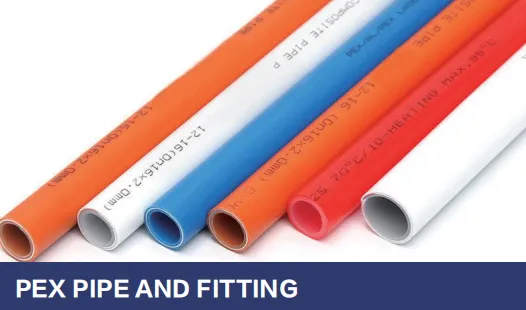
If you've ever stood in a hardware store staring at rows of plumbing materials, wondering which pipe is right for your home project, you're not alone. Plumbing can feel like a daunting world of jargon and technicalities—until you discover PEX. Short for cross-linked polyethylene, PEX has become the go-to choice for modern plumbing, and for good reason. It's flexible, affordable, and surprisingly easy to install, even if you're new to DIY projects. In this guide, we're breaking down everything a beginner needs to know about PEX pipe and fitting installation, from what PEX is and why it's better than traditional materials, to step-by-step instructions, common mistakes to avoid, and how to choose the right supplies. By the end, you'll feel confident tackling your first PEX project—whether it's replacing old pipes or installing a new fixture.
Let's start with the basics: What exactly is PEX pipe? Imagine a pipe that can bend around corners without needing elbow fittings, resist corrosion better than copper, and handle both hot and cold water with ease. That's PEX in a nutshell. It's made from polyethylene (the same material as plastic milk jugs) that's been "cross-linked"—a chemical process that bonds the molecules together, making the pipe stronger, more flexible, and resistant to temperature extremes. Unlike rigid copper or PVC, PEX can expand up to three times its diameter if frozen, reducing the risk of bursting—a game-changer for anyone who's dealt with a burst pipe in winter.
But why has PEX taken the plumbing world by storm, especially among homeowners and residential building materials suppliers? For starters, it's cheaper than copper. A 10-foot length of PEX costs a fraction of what copper does, and since it bends easily, you'll need fewer fittings (which also saves money). Installation is simpler, too—you don't need a torch (like with copper) or messy glue (like with PVC). This means less time, less hassle, and fewer tools. It's no wonder that today, most new homes and renovations rely on PEX for their water supply lines. Even commercial projects are catching on, though for now, it's the residential building materials supplier that stocks PEX in the widest variety of sizes and types.
Pro Tip: PEX is available in three main types—PEX-A, PEX-B, and PEX-C. The differences come down to flexibility, cost, and installation methods. We'll dive into that later, but for most DIY projects, PEX-B is a great balance of affordability and ease of use.
If you're still on the fence about PEX, let's compare it to the old standbys: copper and PVC. Copper has been around for decades, and it's durable, but it's also heavy, expensive, and requires soldering—a skill that takes practice (and a steady hand). One wrong move with a torch, and you could damage walls or start a fire. PVC is cheaper than copper but rigid, meaning you'll need lots of fittings to navigate corners, and it's not ideal for hot water (it can warp over time). PEX, on the other hand, checks all the boxes: it's lightweight, flexible, affordable, and works for both hot and cold water. It also resists scale buildup and chemical corrosion, so it lasts longer than many traditional materials. For beginners, the biggest win is that PEX installation doesn't require specialized skills—no soldering, no glue, just simple tools and a little patience.
Not all PEX is created equal. There are three main types—PEX-A, PEX-B, and PEX-C—and each has its own strengths. Let's break them down so you can choose the best fit for your project.
| PEX Type | Manufacturing Process | Flexibility | Cost | Installation Method | Best For |
|---|---|---|---|---|---|
| PEX-A | Peroxide cross-linking (highest cross-link density) | Most flexible—can bend up to 90° without kinking; can be repaired if kinked by heating | Most expensive | Expansion fittings (requires an expansion tool); also compatible with crimp/clamp | Projects with tight spaces, radiant floor heating, retrofits where bending is critical |
| PEX-B | Silane cross-linking (most common type) | Moderately flexible—bends well but may kink if over-bent; kinks are permanent | Mid-range (most budget-friendly for DIY) | Crimp or clamp fittings (simplest tools for beginners) | Standard residential plumbing (hot/cold water lines), new construction, DIY projects |
| PEX-C | Electron beam cross-linking (lowest cross-link density) | Least flexible—similar to PEX-B but slightly stiffer | Least expensive | Crimp or clamp fittings | Basic projects, cold water lines, temporary setups |
For most homeowners, PEX-B is the sweet spot. It's affordable, easy to work with, and widely available at hardware stores and residential building materials suppliers. If you're working in a tight space where you need maximum flexibility (like a crawl space or behind walls), PEX-A might be worth the extra cost. PEX-C is a budget option but is less common and better suited for simple, cold-water projects.
One of the best things about PEX installation is that you don't need a truckload of tools. In fact, most beginners can get by with a few basic items. Here's what you'll need to gather before you start:
Tool Tip: If you're only doing one project, consider renting tools instead of buying. Many hardware stores rent crimp/clamp tools for a fraction of the cost of purchasing. Just make sure to ask for a demonstration if you're unsure how to use them!
Now that you have your tools and materials, let's walk through the installation process. We'll focus on a basic residential project: replacing a section of old water line with PEX. The steps are similar for most PEX installations, whether you're adding a new fixture or repiping an entire house.
Before you cut a single pipe, map out your plumbing route. Measure the distance between the water source and the fixture (e.g., a sink or shower) and note any obstacles like studs, joists, or corners. This will help you determine how much PEX pipe you need and where to place supports. It's also crucial to check local plumbing codes—some areas have specific rules about PEX (e.g., minimum pipe size, support spacing, or where PEX can be used). Most residential building materials suppliers can help you find code-compliant products, but when in doubt, consult a licensed plumber or your local building department.
This might seem obvious, but it's worth repeating: always shut off the main water supply before starting any plumbing work . Locate your main shutoff valve (usually near the water meter) and turn it clockwise until it stops. Then, open all faucets in your home to drain the remaining water from the pipes. This prevents messy spills and ensures you can work safely.
Measure the pipe length you need and mark it with a marker. Place the PEX cutter around the pipe at the mark, making sure the blade is perpendicular to the pipe. Squeeze the cutter handles firmly to make a clean, straight cut. Avoid twisting the cutter—this can result in a jagged edge. After cutting, use the deburring tool to smooth the inside and outside edges of the pipe. Even small plastic shavings can damage the O-ring in fittings, leading to leaks later.
Pro Tip: Cut PEX a little longer than you think you need—you can always trim more, but you can't add length back! A good rule of thumb is to add ½ inch to your measured length to account for fitting insertion.
This is where the magic happens! Attaching fittings to PEX is simple, but the exact method depends on whether you're using crimp rings, clamp rings, or expansion fittings. Let's focus on crimp and clamp methods, the most beginner-friendly options.
Both methods work well, but clamp tools are often easier for beginners because they don't require changing dies for different pipe sizes. Whichever method you choose, take your time—properly secured fittings are the key to leak-free plumbing.
If you're replacing old pipes, you'll need to connect PEX to your existing plumbing (copper, galvanized, or PVC). For copper pipes, use a brass adapter with a threaded end (male or female) and a PEX end. Wrap Teflon tape around the threaded end, then screw it into the copper pipe (use a pipe wrench to tighten, but be careful not to over-tighten and crack the copper). For galvanized pipes, you may need a dielectric union to prevent corrosion between metals. Always follow the adapter manufacturer's instructions, and when in doubt, ask for help at your local residential building materials supplier—they'll have the right adapters for your setup.
PEX is flexible, but it still needs support to prevent sagging, especially over long runs. The general rule is to install supports every 32 inches for horizontal runs and every 4–6 feet for vertical runs. For vertical runs near fixtures, supports should be within 12 inches of the fitting. Use plastic or metal PEX clips that are sized for your pipe diameter—never use nail-in clips, as they can damage the pipe. Supports should be snug but not tight enough to compress the pipe, which can restrict water flow.
You're almost done! Before closing up walls or cabinets, test the system to make sure there are no leaks. Slowly turn on the main water supply, then open faucets to bleed air from the pipes. Let the water run for a few minutes, then check all fittings and connections for drips. If you see a leak, turn off the water, drain the system, and recheck the fitting (it may need to be recrimped or replaced). Once you're sure there are no leaks, you're ready to finish the job—patch walls, secure any loose supports, and enjoy your new PEX plumbing!
Even seasoned DIYers make mistakes with PEX installation. Here are the most common ones to watch out for:
PEX is low-maintenance, but a little care goes a long way. Here's how to keep your system in top shape:
The quality of your PEX materials matters just as much as the installation. A reputable pex pipe and fitting supplier will offer products that meet industry standards (look for NSF/ANSI 61 certification, which ensures the pipe is safe for drinking water). Here's what to look for when choosing a supplier:
Many residential building materials suppliers specialize in PEX and related products, making them a great starting point. They understand the needs of homeowners and can guide you to the right materials for your budget and project.
Installing PEX pipe and fittings might seem intimidating at first, but with the right tools, materials, and a little patience, it's a project most beginners can tackle. PEX has revolutionized home plumbing by making it accessible, affordable, and durable—and now you have the knowledge to join the millions of homeowners who've switched to this game-changing material. Remember to take your time, follow the steps, and don't hesitate to ask for help from your local pex pipe and fitting supplier or a more experienced DIYer. Before you know it, you'll have a leak-free plumbing system that will serve your home for decades. Happy plumbing!
Recommend Products












