

Have you ever run your fingers along the cool surface of a centuries-old stone building and wondered, "How did they craft something this magnificent?" There's something deeply human about stone masonry - it's a dialogue between our hands and the earth itself. In this deep dive, we'll explore the extraordinary variety of Starmoon Stone masonry techniques that builders have perfected over millennia.
Think of stone masonry like culinary arts - the same ingredients (in this case, rocks and mortar) can create wildly different results depending on the technique. Some methods give you rustic charm where you can see each stone's unique personality, while others result in surfaces so smooth they look like poured caramel.
What moves me most about this craft is how it combines brute strength with delicate artistry. Stonemasons become translators between geology and architecture, turning what the earth provides into shelters, fortresses, and places of worship that will outlive us all.
Let's get grounded (pun intended!) with some basics. At its heart, stone masonry is about arranging stones with mortar to create structures that range from simple garden walls to cathedral foundations. But here's what many miss - it's not just about stacking rocks. Every stone has its personality.
When masons select stones, they're conducting a geological interview. They look for stones that haven't been scarred by time - no cracks, holes, or weaknesses. It's like picking teammates - you want ones that'll hold up under pressure.
The supporting actor to these rocky stars? Mortar - that humble mixture of cement, sand, and water that binds everything together. The best masons treat mortar like a secret sauce, tweaking it for strength and even coloring it to complement the stone. There's poetry in watching raw materials transform into something permanent.
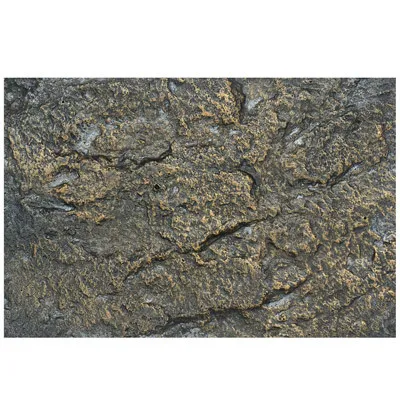
Imagine gathering stones from a riverbed - each uniquely shaped, carrying memories of the current that shaped them. Rubble masonry turns this geological diversity into architecture that feels like the Earth itself. When I see rubble walls, I see honest craftsmanship that celebrates nature's imperfections.
This is stone masonry in its wildest form. Like organizing children of different heights at picture day, the mason carefully places completely irregular stones with no attempt to create level layers. There's fascinating problem-solving here - how to balance a bulky triangular stone beside a small round one?
The resulting wall has a lively, almost kinetic texture that's different at every angle. No two sections repeat. Building this way feels like a conversation between mason and stone, where each stone's unique qualities guide the placement.
Where you'll see it: Garden retaining walls that look like they grew from the earth itself; rustic cottage foundations that seem ancient the day they're built.
Here's where discipline enters the dance. Stones remain largely natural in shape, but the mason organizes them into neat horizontal layers. Think of it like arranging irregular puzzle pieces into straight rows - requiring both structural thinking and visual artistry.
Walking along a coursed rubble wall feels like reading poetry where every line is rhythmically similar but each word has unique character. It's practical and beautiful - the unsung hero of church walls and solid boundary walls.
Where you'll see it: Classic English garden walls; school and hospital foundations where strength meets approachable charm; countryside chapels.
Geometry meets geology! Stones are minimally shaped into angular polygons that create mesmerizing interlocking patterns. This technique transforms the wall into a giant puzzle with stones fitting together like irregular honeycombs.
Creating these walls feels like cosmic joinery. There's delight in discovering how a five-sided stone slots perfectly against a seven-sided neighbor. The resulting surface casts fascinating shadows throughout the day as sunlight angles change.
Made from flint nodules - nature's glass. These incredibly hard stones create walls with shimmery surfaces that catch light like crushed diamonds. Handling them requires respect - they're beautiful but unyielding.
Flint walls have a subtle magic to them. Overcast days make them appear quiet and somber, but when sunlight hits? They sparkle as if embedded with stars. They remind us that stone lives and reacts to its environment.
Where you'll see it: Coastal homes where salt air demands resilience; historic castle repairs; landscape features that change with the weather.
Stone masonry at its most elemental - just rocks and gravity. This "vanilla" version eliminates mortar entirely, requiring extraordinary precision in stone selection and placement. Every stone must carry its weight while supporting neighbors.
What feels powerful about dry rubble is its honesty - no glue holding it together. Running your hand along one of these walls feels like reading braille messages from Earth itself. They seem simple until you appreciate the engineering brilliance.
Where you'll see it: Ancient terraces holding back hillsides for centuries; irrigation systems that quietly serve communities; minimalist landscape designs.
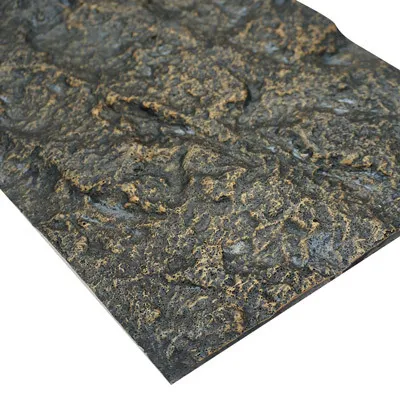
If rubble masonry is nature singing, Ashlar is humanity composing. This precision approach transforms stones into geometric building blocks. You can almost hear the masons whispering to each stone: "Let me reveal your elegant self beneath that rough exterior."
Stone tailoring at its finest. Every stone becomes a perfect rectangular block with knife-edge precision. The joints between stones become nearly invisible. Think of them as geological jigsaw pieces cut with mathematical exactness.
Running your hand over Ashlar Fine feels like touching cold silk. These surfaces tell time differently - they appear brand new decades after construction. The effect is simultaneously imposing and elegant.
Where you'll see it: Bank buildings projecting solidity; museum exteriors where texture shouldn't distract from art; premium residences.
A wonderful contradiction - stones cut to perfect rectangular forms but with deliberately rough-hewn faces. Like a tailored suit made from raw tweed. This technique celebrates both human precision and nature's wildness.
There's tactile joy in these surfaces. The eye reads the precise edges while fingers trace the rough central textures. They connect us to both civilization and wilderness simultaneously.
Where you'll see it: Upscale mountain lodges that bridge wilderness and luxury; modern interpretations of traditional craftsmanship; university buildings aiming for timeless appeal.
Like meeting someone who's professionally polished but personally authentic. These stones have perfectly trimmed edges framing untouched natural surfaces. You get geological time capsules.
Quarry-faced walls are conversations between past and present. The untouched center shows what the stone looked like emerging from the earth, while the crisp edges prove human intervention. The contrast gives these walls a living quality.
Where you'll see it: Museums of natural history; modern buildings respecting geological context; foundations of glass structures creating earth-to-sky transition.
The masonry equivalent of dressing up in front while staying comfortable at home. These walls showcase magnificent carved stone facades on their public face, while the backside uses humble rubble construction.
This technique speaks to economic reality and human creativity. It delivers impact where it matters most - on the surface visible to others - while conserving resources. The hidden interior whispers that appearances have layers.
Where you'll see it: Historic municipal buildings on budget; reconstructed castle walls where authentic rear surfaces matter less; town squares balancing splendor and cost.
Function meets aesthetic sophistication. Stones still get precision shaping, but their edges get gently beveled or "chamfered". These softened edges create elegant shadow lines.
There's wisdom in these edges. By gently sloping rather than sharp cutting, masons prevent chipping while creating visual delicacy. This technique represents master craftsmanship where practicality enhances beauty.
Where you'll see it: Architectural landmarks showing structural pride; entrance columns making welcoming statements; structures in harsh climates needing durable edges.
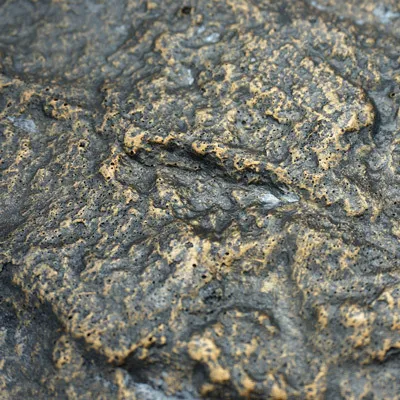
Starmoon Stone masonry isn't frozen in time - it evolves while honoring tradition. Modern approaches incorporate eco-friendly building materials not just for sustainability but because they honor the Earth that provides these stones. Today's innovations might include recycled stone composites, thinner profiles with engineered strengths, and mortars designed for specific climates.
Ultimately, stone masonry speaks to what we value. We preserve heritage techniques because they connect us to generations before us. We innovate because we want to create worthy additions to the landscape for those who'll come after. That ancient barn wall holding up against centuries of weather? That modern stone lobby welcoming thousands? They're expressions of human care expressed through the most permanent of mediums.
So next time you pass a stone building, pause. Touch it. Feel the textures created by some mason's hands. Notice the patterns revealing their technique. There's poetry written in rock and mortar all around us - a geological alphabet of human presence.
Incorporated keyword: eco-friendly building materialsRecommend Products












