


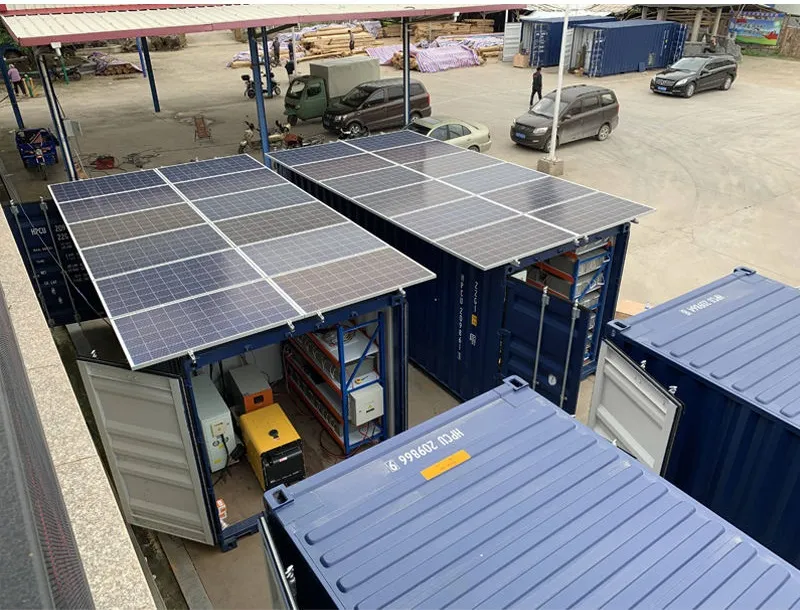
Introduction: The Hidden Danger in Renewable Energy
As solar panels become increasingly common on rooftops and solar farms worldwide, a hidden danger lurks behind their clean energy promise. Solar panel junction boxes – those unassuming components where electrical connections happen – can turn into ticking time bombs when compromised. We've all seen those disturbing images: charred panels, melted connectors, and sometimes even entire roofs damaged by photovoltaic system fires. What causes these failures? The answers might surprise you.
Consider the typical solar array operating on your neighbor's roof. The DC voltage inside those cables can reach up to 1000V – enough to create serious trouble when connections go wrong. Unlike AC systems that have zero-voltage crossing points to extinguish arcs, DC arcs sustain themselves once formed, turning minor electrical issues into major fire hazards.
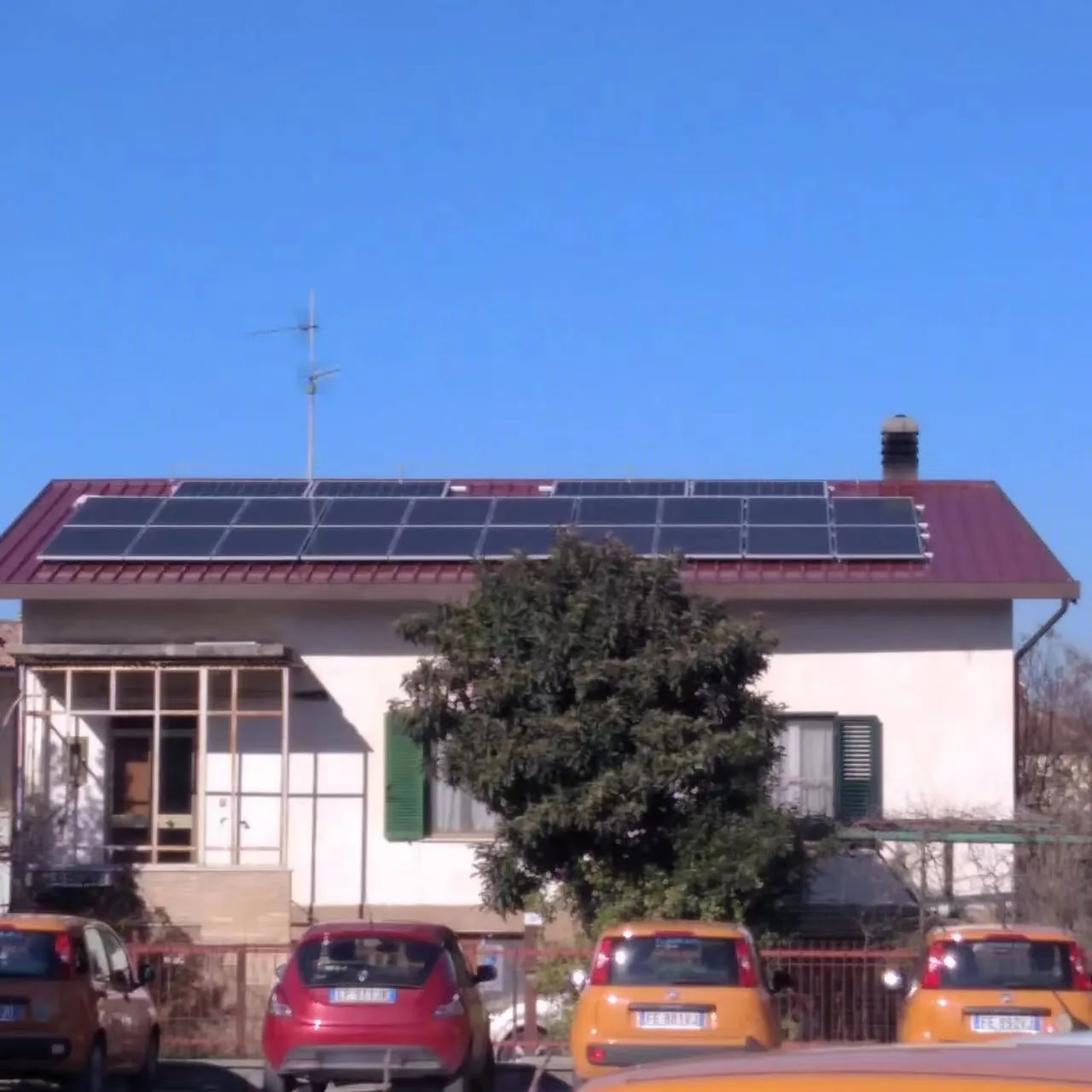
The Anatomy of Trouble: Junction Box Vulnerabilities
Solar junction boxes serve as the critical nerve centers where panel wiring converges. Designed to be weatherproof, these small plastic enclosures contain diodes that prevent reverse current flow and terminals that connect multiple panels together. But their sealed design becomes a double-edged sword – any moisture intrusion turns them into miniature steam ovens that degrade electrical connections over time.
Manufacturing defects create additional vulnerabilities. When diodes overheat due to manufacturing flaws, they can initiate thermal runaway. Improperly soldered terminals develop hot spots that melt surrounding plastic. Even the choice of plastic matters – cheaper boxes use materials that degrade under UV radiation, becoming brittle and prone to cracking.
Why Arc Faults Are Terrifying
Imagine a faulty connection inside your junction box. When electrical current jumps across this gap, it creates an arc that reaches temperatures hotter than the sun's surface – up to 20,000°F. These sustained arcs can quickly ignite surrounding materials. What makes DC arcs particularly dangerous is their self-sustaining nature – they don't naturally extinguish like AC arcs do at zero-crossing points.
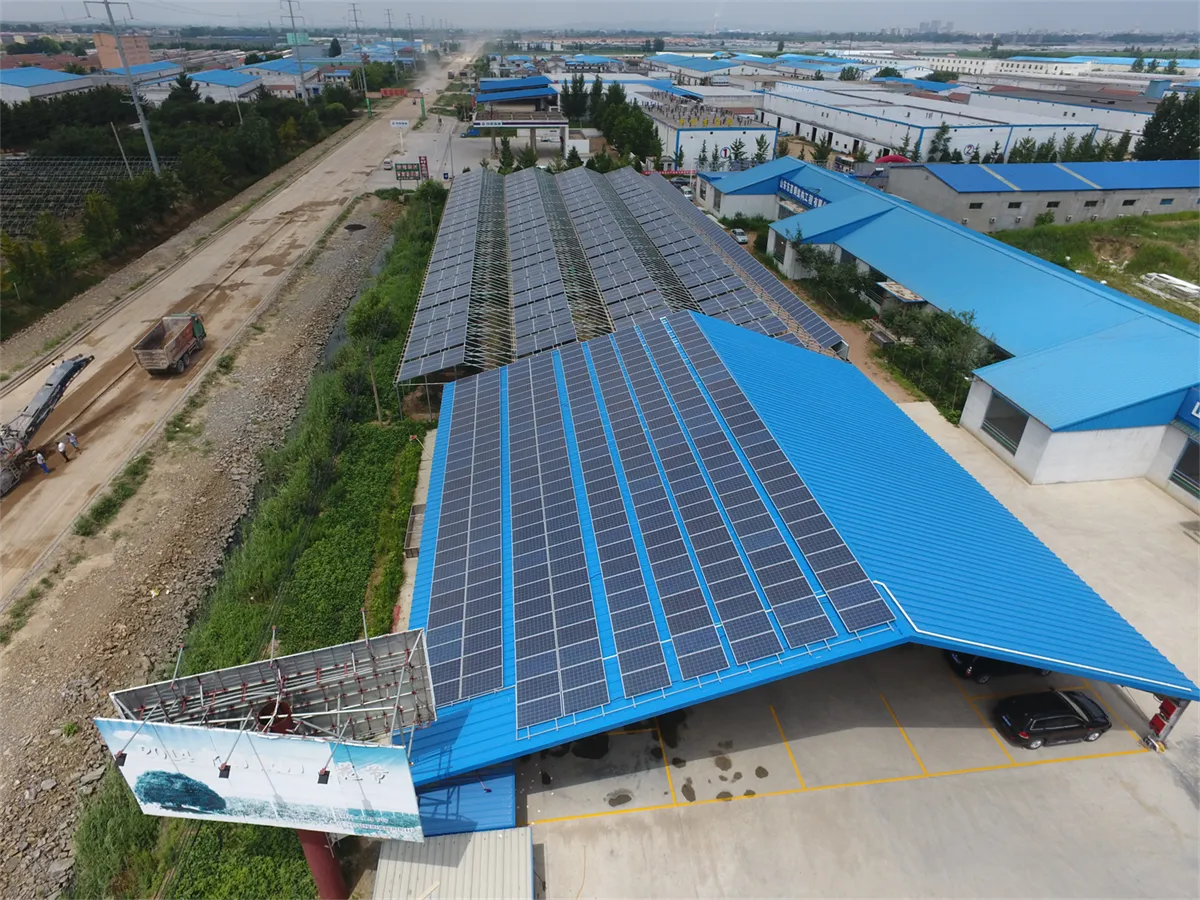
The Top Culprits Behind Solar Junction Box Fires
1. Poor Quality Control & Counterfeit Components
The solar industry's rapid expansion has led to quality compromises. Some manufacturers cut corners on materials – using lower-grade plastics that can't withstand decades of UV exposure or substandard metals that corrode quickly. Counterfeit MC4 connectors flood the market, indistinguishable from genuine parts but dangerously prone to failure.
A common failure point occurs when solar installers use mismatched connectors from different manufacturers. What looks like a snug connection might actually be a disaster waiting to happen. Just slightly off-spec tolerances create micro-gaps that lead to arcing. Always use identical brand connectors for both pins and sockets throughout your system.
2. Water: The Silent Destroyer
Water infiltration destroys junction boxes in multiple ways. When moisture penetrates supposedly sealed enclosures, it creates dendritic growth – tiny metal filaments that creep between terminals causing short circuits. Salt spray near coastal areas accelerates corrosion on connection points. Repeated freeze-thaw cycles force microscopic cracks to expand, worsening the problem with each season.
3. The Thermal Runaway Trap
Inside every junction box lie bypass diodes that prevent entire strings from failing when one panel underperforms. But these diodes operate under extreme conditions. When shading causes bypass diodes to conduct continuously, they can overheat. If the thermal path isn't properly managed, this heat builds until it melts plastic, degrades solder joints, and potentially starts fires.
Installation quality dramatically impacts fire risk. Pinched wires where cables enter boxes create hot spots. Over-tightened terminals crack internal connections. Damaged cable insulation exposes conductors. Even excessive cable bending near boxes causes internal wire breaks that create arcing points.
Real-World Fire Cases: Lessons Learned
Analysis of actual solar fires reveals predictable patterns. In Germany, a commercial rooftop fire began when water intrusion caused a junction box connection to corrode. The resistance increase generated enough heat to ignite the plastic housing, leading to a chain reaction along the panel string.
In California, a home system fire traced back to counterfeit connectors that appeared identical to brand-name equivalents. However, subtle differences in the locking mechanism allowed them to partially disconnect over time due to thermal cycling. The resulting arc burned through the roof membrane.
Perhaps most disturbing is the Arizona case where a junction box fire started at midday with no visible flames – the fire smoldered undetected until finally breaking through the roof hours later. Thermal imaging during inspections might have detected these hotspots before catastrophic failure occurred.
Critical Prevention Strategies
Installation Best Practices
Connecting solar panels requires military-grade attention to detail. Every termination point represents a potential failure location. Torque tools should calibrate connector installation precisely – overtightening damages terminals while undertightening creates hot connections. Cable management matters too – leaving service loops prevents tension on connections while avoiding tight bends preserves wire integrity.
Advanced Protective Technology
Modern DC arc fault circuit interrupters (AFCI) can detect and extinguish dangerous arcs within milliseconds. More sophisticated systems now incorporate thermal sensors at each junction box that transmit real-time temperature data. Some systems even use smoke detectors designed specifically for photovoltaic applications.
Regular maintenance remains crucial. Infrared cameras spot hotspots invisible to the naked eye. Proper cleaning maintains ventilation. Connection point resistance measurements during annual checks identify deterioration before failure occurs. Documentation of every connector in the system enables traceability when failures happen.
Future Solutions & Industry Evolution
The solar industry responds to fire risks with innovation. New junction boxes feature redundant sealing systems, better thermal management, and embedded sensors that report health status. Module-level power electronics like microinverters and DC optimizers minimize high-voltage DC wiring altogether.
Materials science plays a crucial role – ceramic-filled plastics improve heat dissipation, while novel encapsulants provide better moisture protection. Future standards will likely require mandatory arc detection and enhanced fire rating testing.
With proper design, installation, and maintenance, solar power remains overwhelmingly safe. As more people adopt renewable energy, it's crucial to balance enthusiasm with appropriate caution. The path forward includes better industry standards, proper installation training, responsible manufacturing, and continuous technological innovation to ensure solar power remains the bright future we all envision.










