
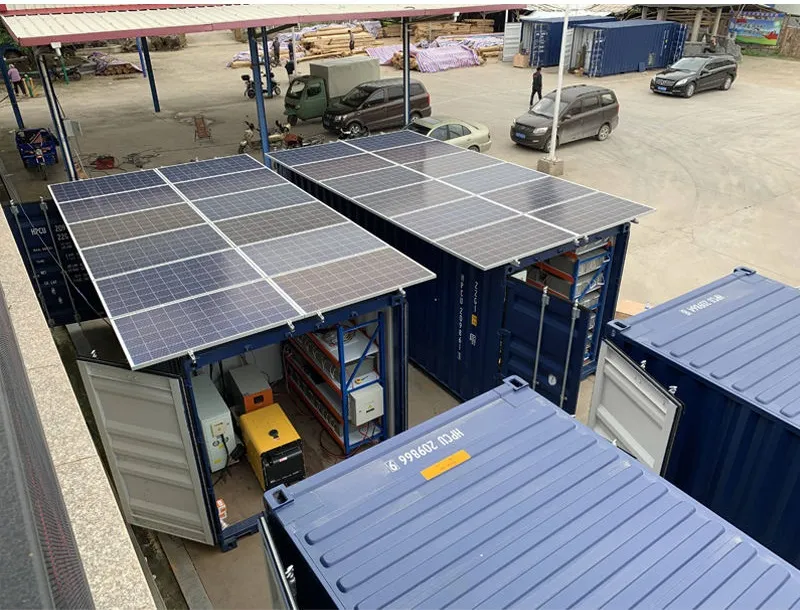
So you're planning a renovation and considering adding solar panels? Smart move! But with all the options out there, it's easy to feel overwhelmed. Let's break down your choices in plain English – no engineering degree required. By the end, you'll know exactly what you need for a smooth integration into your upcoming renovation.
Before diving deep, here's the lay of the land. Solar panels come in three main flavors:
These sleek black panels are the valedictorians of solar tech. Made from single silicon crystals, they pack more power per square foot but come with a premium price tag. Perfect when space is tight on your renovation project.
Recognizable by their blue, speckled look, these panels mix silicon fragments. You'll need more roof space compared to monocrystalline, but your wallet will thank you. A solid choice for garage additions or larger renovations.
These lightweight panels can bend and contour to curved surfaces – imagine them on rounded roofs or integrated directly into building materials. Less efficient per square foot but incredibly versatile for unconventional designs.
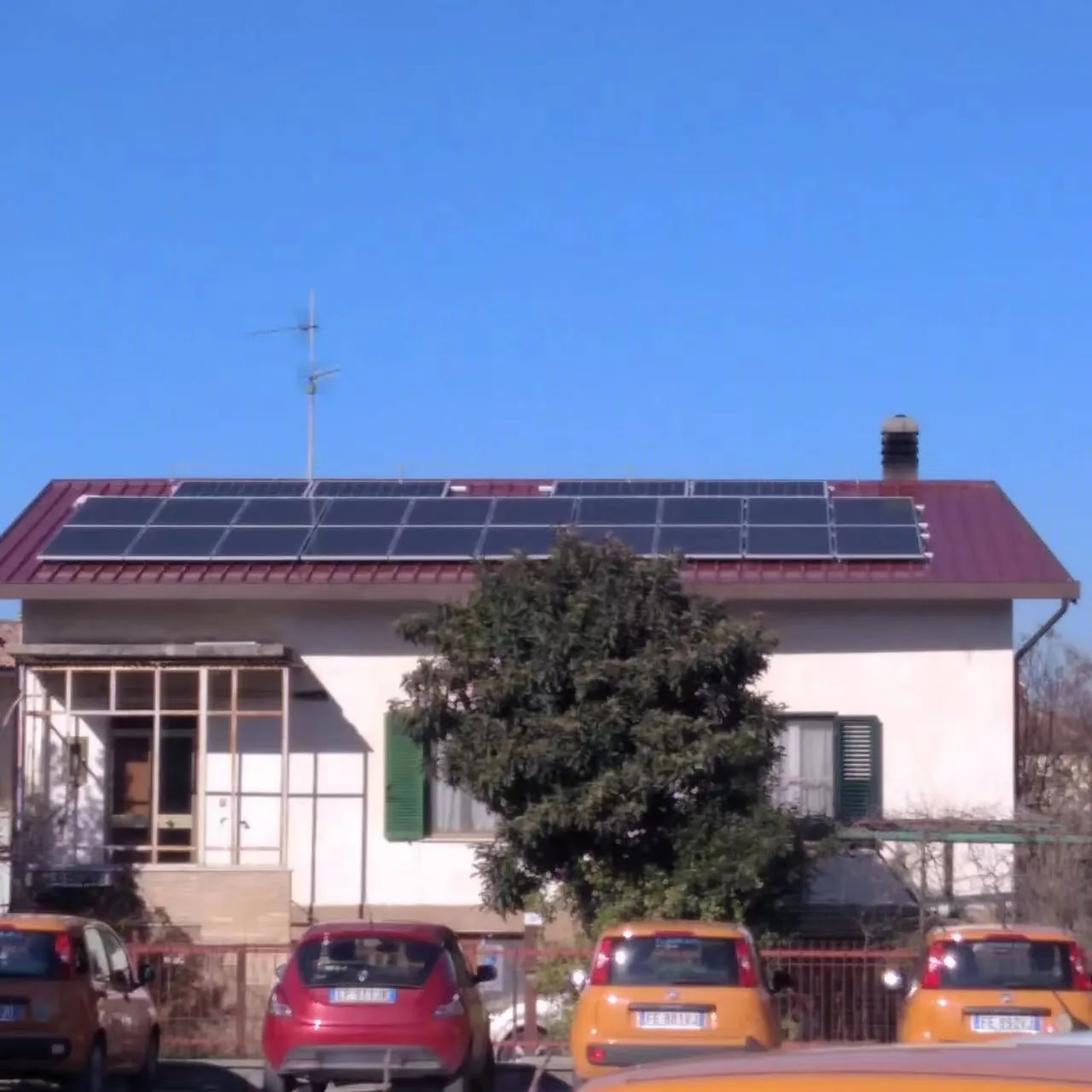
Unlike traditional panels that only capture sunlight from one side, these clever designs absorb reflected light from below too. Adding these during a garden renovation? Pair them with light-colored pavers to boost efficiency by up to 30%.
PERC panels add a special layer on the back that traps escaping sunlight. Think of it like putting reflectors behind stage lights – you get more bang for your solar buck. Ideal for cloudy climates where light capture matters most.
Instead of big squares with gaps between cells, shingled panels overlap like roof tiles. This gives you more active surface area in the same footprint – great when you're trying to maximize every inch of your renovation.
| Panel Type | Best For Renovations When... | Typical Efficiency | Space Needed for 5kW System |
|---|---|---|---|
| Monocrystalline | Roof space is limited, budget allows for premium | 18-22% | 200-300 sq ft |
| Polycrystalline | You have ample roof space and want value | 13-16% | 300-400 sq ft |
| Thin-Film | Unconventional surfaces, curved roofs | 10-12% | 400-500 sq ft |
| Bifacial | Ground mounts, pergolas, light-colored roofs | 22-25% | 180-270 sq ft |
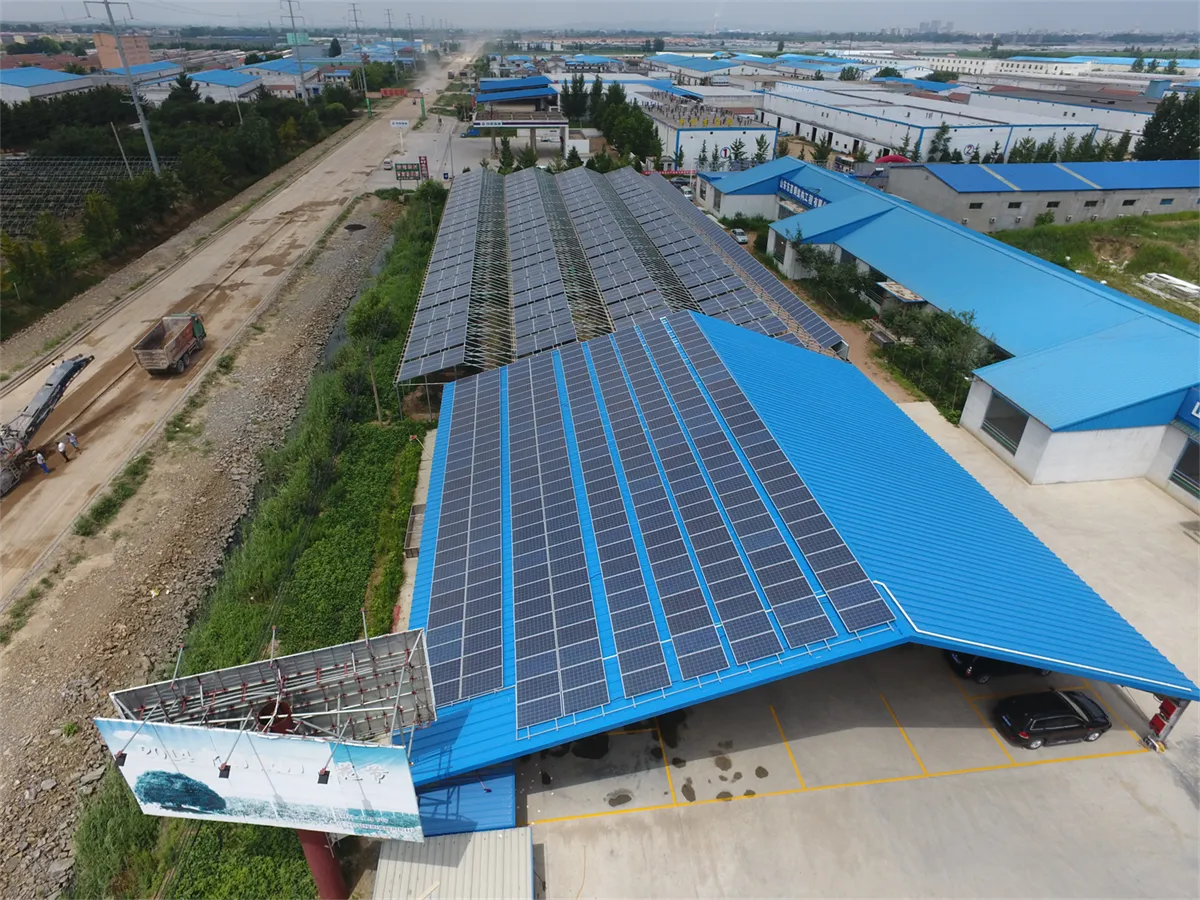
That beautiful slate roof coming in your renovation? Thin-film panels might be your only safe option due to weight. Standard asphalt shingles? You've got all options open. Metal roofs work beautifully with almost any panel and simplify installation.
Coordinating with roofers is critical. Installing panels during your roof replacement rather than after prevents double labor costs. For example, the waterproofing integration happens once instead of twice – saving up to 15% on total install costs.
Those sleek black monocrystalline panels blend beautifully with modern renovations. For traditional homes, consider frameless options. And talk to your architect about "solar skins" – custom printed overlays that turn panels into design features. One client even made theirs look like terracotta tiles!
Planning to add an EV charger in 2 years? Expand the garage next summer? Size your system for your future energy use, not just today's. Adding panels later means duplicating mounting equipment and labor – a costly oversight.
Most people know about the 30% federal solar tax credit, but don't overlook renovation-specific incentives. For example, Energy Efficient Mortgage provisions can include solar installations in your home loan. State programs like NY's residential solar panels initiative give extra rebates when replacing fossil fuel systems. Time your renovation to maximize these incentives.
Perfect opportunity for a full solar integration. Coordinate with your GC to run conduit before drywall goes up. Pick high-efficiency panels regardless of cost – you'll be replacing this roof just once.
Separate structure? Great chance to experiment. Try bifacial panels on a canopy over the new driveway. Or go super-sleek with frameless glass-on-glass panels that become an architectural feature.
Check your local preservation codes first. Often, rear-facing roof sections or detached carriage houses become your solar canvas. Thin-film or low-profile panels typically get approval where visible panels won't.
Start by requesting your renovation plans to your solar provider before structural work begins. Here's why:
Remember: Adding solar during renovation rather than after typically cuts installation costs by 20-40%. Those savings alone could upgrade your panel quality.
The best solar choice for your renovation isn't about finding the "perfect" panel – it's about the perfect integration . Consider your roof type, design vision, and future needs together. And coordinate early with both your solar installer and construction crew.
Don't view solar as just another line item. With smart integration, it can become a signature architectural feature that pays you back for decades. So next time you're looking at those renovation plans, picture beautiful, efficient power generation baked right into your dream home.
Recommend Products












