
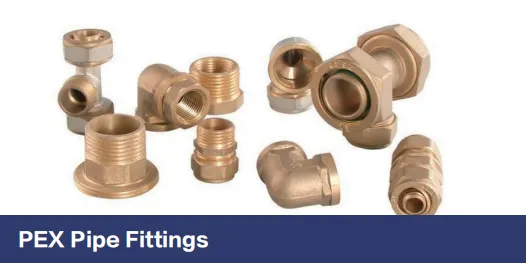
Hey there! If you're diving into a plumbing project, you've probably heard about PEX tubing – that flexible, colorful piping that's become the superhero of modern plumbing. But here's the thing: PEX pipes can't do their magic alone. They need their trusty sidekicks – the fittings. And just like choosing the right tools for any job, picking the perfect PEX fitting can make or break your entire system.
In this guide, we'll cut through the jargon and help you understand all the different types of PEX fittings, how they connect, and – most importantly – how to choose the absolute best ones for your specific project . Whether you're a DIY homeowner tackling a bathroom renovation or a pro plumber working on a commercial build, I'll walk you through everything step-by-step.
First things first – not all PEX pipes are created equal. The type of PEX you're working with determines which fittings will play nicely with it. Let's break these down in plain English:
The middle child of PEX tubing – not as flexible as A, not as rigid as B. It's perfectly fine for most jobs but can be a bit more prone to cracking if you're not careful during installation.
Pro Tip: Matching matters! If you're repairing existing PEX, just check what connection type was used originally – if you see cold-expansion rings, it's PEX-A; if you spot crimp rings or stainless steel clamps, you're looking at PEX-B or C.
This is where things get interesting – the fitting types determine how your pipes join together. Each has its own personality and installation quirks:
| Fitting Type | Best With | Pros | Cons | Tool Needed |
|---|---|---|---|---|
| Cold Expansion | PEX-A only | Maintains full flow diameter, super reliable | Requires special expansion tool | Expander tool + sleeves |
| Crimp Rings | PEX-B/C | Inexpensive, tried-and-true | Reduces inner diameter, copper rings corrode | Crimping tool |
| Pinch Clamps | PEX-B/C | Stainless steel won't corrode, good for tight spaces | Slightly trickier installation | Pinch clamp tool |
| Push-to-Connect | All types | NO tools needed, super fast | Pricey, bulkier connection | None (just your hands!) |
| Compression | PEX-AL-PEX | Works with mixed materials | Requires more hand-tightening | Two wrenches |
| Press Fittings | All types | Very strong connections | Requires expensive press tool | Press tool system |
These are the game-changers for quick repairs or hard-to-reach spots. Literally push the pipe into the fitting until it clicks – that's it. They'll cost you 5-10x more than crimp fittings, but when you're sweating in a tight crawlspace at 4 PM on a Friday? That premium starts looking pretty darn reasonable.
The workhorses of PEX plumbing. If you're doing a whole-house replumb or long runs, these offer the best bang for your buck. Just remember: copper crimp rings can corrode over time, while stainless steel pinch clamps won't. Worth the extra pennies for underground or wet locations.
Trade Secret: For radiant floor heating systems (where flow matters), cold expansion or press fittings maintain that full inner diameter so your heat circulates evenly. You don't want Aunt Mildred's bedroom toes colder than Uncle Bob's!
Not only does the connection type matter – the stuff the fitting is made from affects performance too:
Great for isolated repairs or low-budget jobs, but I'd avoid them for whole-house systems.
The Goldilocks choice for most installations – just be cautious with acidic water conditions.
Here's where the magic happens: combines plastic's corrosion resistance with brass's strength. It's like the superhero of fittings! Twice as strong as brass fittings while staying corrosion-free. The only hiccup? Currently only available for crimp/clamp connections. If you're doing a high-end build or live in an area with aggressive water, these are worth hunting down.
The tools you'll need depend entirely on your fitting choice:
DIY Alert: If you're just doing one small job (like replacing a sink supply line), rent tools instead of buying. Big box stores often have them for about $20/day – way smarter than dropping $200 on tools you'll use once.
So how do you actually pick? Consider these five pillars:
This one's crucial for showers and irrigation systems. Expansion and press fittings maintain full inner diameter – meaning your shower doesn't turn into a sad trickle when someone flushes a toilet. For standard residential water supply , crimp fittings usually suffice. But for high-demand applications, spring for the flow-friendly options.
At the end of the day, there's no single "best" fitting – just the best one for YOUR situation. Modern plumbing has moved way beyond soldering copper pipes, and PEX has opened up fantastic options.
Here's my cheat sheet for quick decisions:
The beautiful thing about today's plumbing is that you've got options – just stay away from hacks who try to glue PEX (yes, I've seen it!). Match your PEX type to the right fittings, choose quality materials that suit your water conditions, and don't be afraid to invest in good tools. Your building project deserves a plumbing system that'll last decades, not just seasons.
Recommend Products












