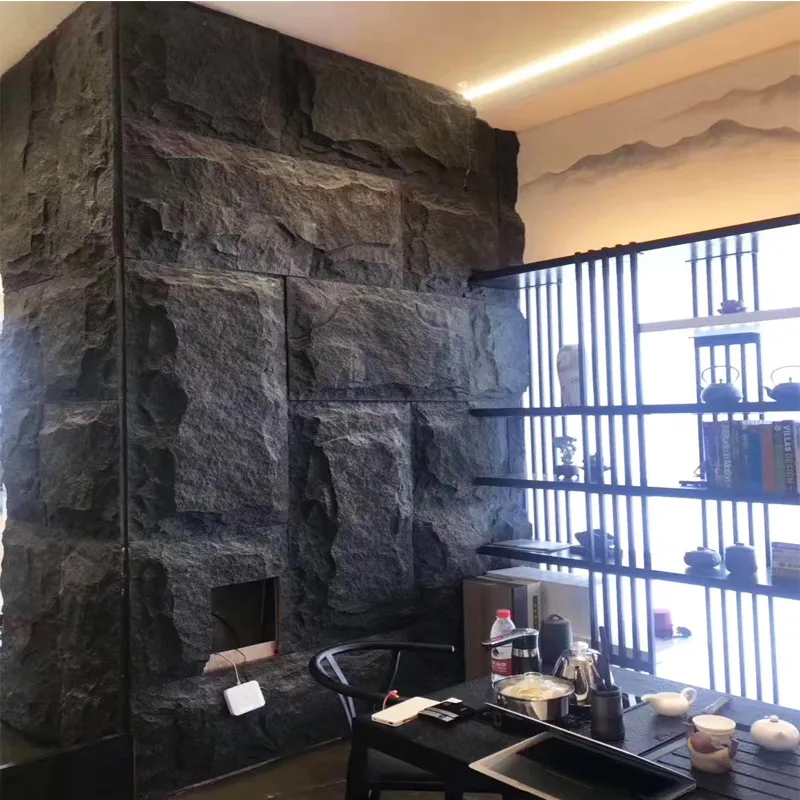
You're planning a remodeling project and craving that rich, timeless texture that makes walls come alive. You’ve seen photos of stunning exteriors and captivating accent walls with rugged, organic surfaces – chances are, mushroom stone was the star. But what makes this natural stone so special, and how do you choose the perfect one?
Let's explore how mushroom stone can transform your home's
wall cladding system
– from modern farmhouses to Mediterranean villas – becoming the secret ingredient to your dream renovation. We’ll skip the textbook definitions and share insights that make your selection process insightful.
The Art Behind Mushroom Stone
Picture artisans centuries ago in Ming Dynasty China, shaping stones by hand for palaces and temples. Unlike naturally occurring rock formations, mushroom stone gets its name from its deliberately crafted shape – a smooth bottom that protrudes into a rounded top, mimicking forest mushrooms popping through soil. This human touch elevates it beyond ordinary masonry:
-
Antique Charm
: Irregular surfaces create shadows and depth, making walls feel centuries old.
-
Built to Last
: Natural stone means it won’t fade, warp, or crumble like imitation materials.
-
Storytelling Texture
: Each stone has unique nooks – not sterile like tile, but alive with character.
It’s not just décor; it’s heritage built into your walls.
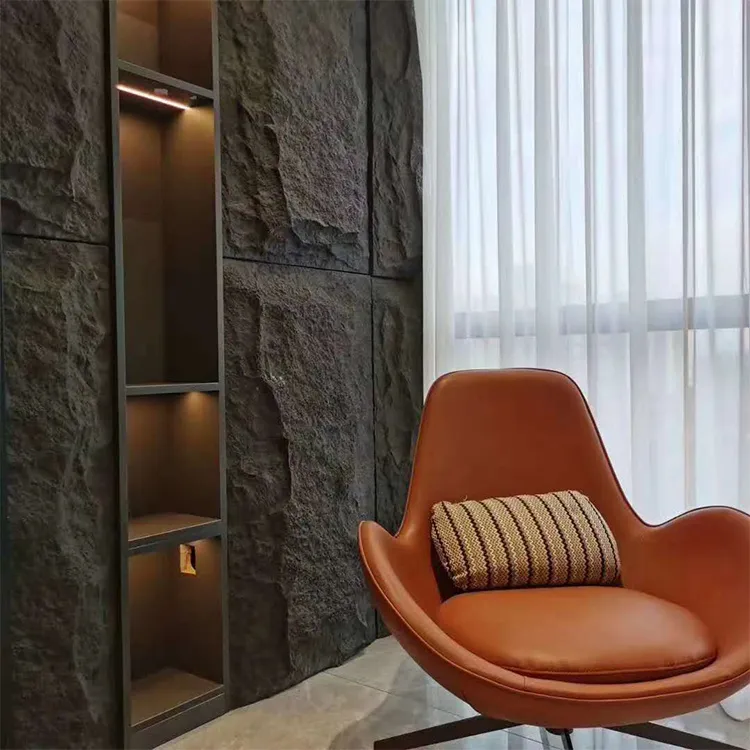
Meet the Rock Stars: Slate vs. Granite
Two heavyweight materials dominate the mushroom stone scene. Here’s how they play out:
Slate Mushroom Stone: The Artisan’s Choice
Think cozy cottages or wine cellar accents. Slate is lighter, often darker (charcoals, deep blues), with subtle layered textures.
-
Hand-chiseled edges: Because slate is brittle, artisans hammer each piece carefully, making every stone unique.
-
Perfect for: Interior feature walls, fireplaces, outdoor patios wanting earthy warmth.
-
Tip
: Its softer surface creates rustic appeal – but don’t use it for high-traffic floors!
Granite Mushroom Stone: The Indestructible Classic
Imagine grand entrances or Mediterranean villas. Granite mushroom stones are bulkier, speckled with mineral patterns, and handle weather like a champ.
-
Sawn and shaped: Cut using diamond blades first, then sculpted. Some methods even yield two stones from one block!
-
Perfect for: Driveway pillars, pool surrounds, exterior walls in snowy or humid climates.
-
Tip
: Lighter granite varieties (like Silver Cloud) ease installation without sacrificing durability.
Quick Cheat Sheet:
Want something moody and textured? Go slate. Need tough-love resilience? Pick granite.
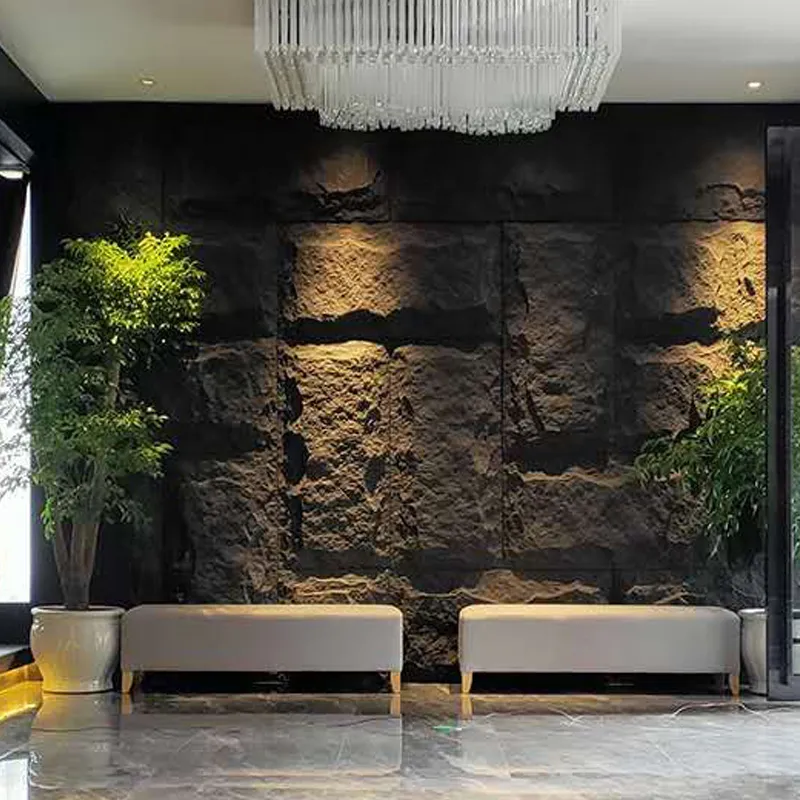
Why Your Home Will Thank You
Beyond beauty, mushroom stones solve practical headaches:
-
Kiss Mold Goodbye
: Water beads up and rolls off instead of seeping in. No more dark patches!
-
Zero-Effort Upkeep
: Rain self-cleans exterior walls – just let the weather do the work.
-
Green From Ground Up
: Natural stone requires no chemical treatments or manufacturing toxins.
-
Frozen? Scorched? No Sweat
: Doesn’t crack under temperature tantrums (-20°F to 120°F tested!).
Plus, its uneven surface hides minor imperfections in your wall prep – unlike tiles that show every flaw.
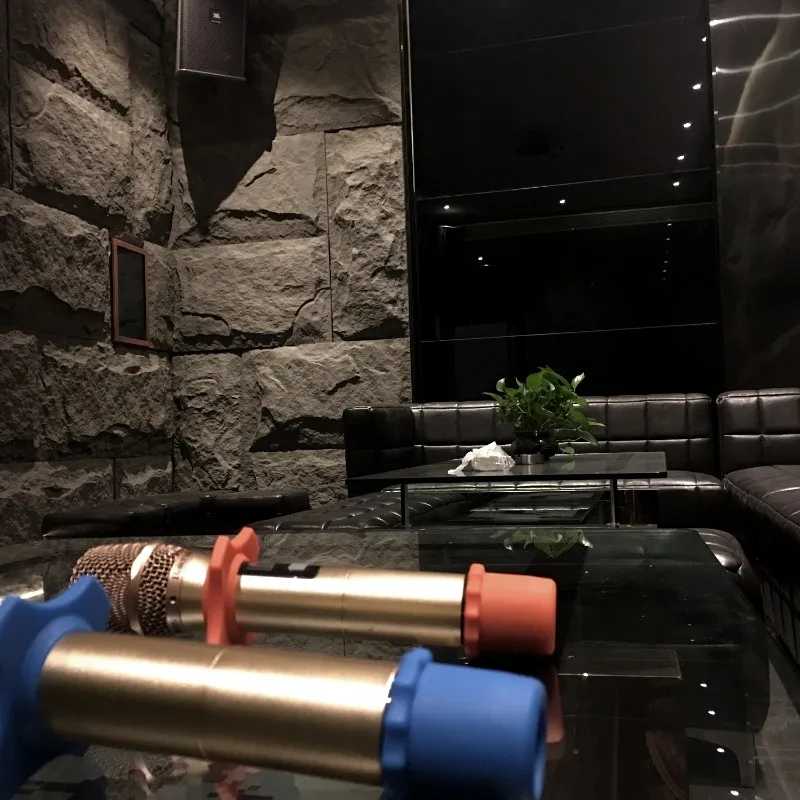
From Warehouse to Your Wall: The Process Unpacked
How do contractors build such dreamy walls? Here’s what happens after you choose your stones:
-
Wall Prep Like Surgery
: Walls are cleaned bare. Any loose or bumpy areas get sanded flat.
-
The "Glue" Layer
: A cement mortar mix (like setting cream) is spread evenly as a bonding canvas.
-
Stonemason Tetris
: Professionals dry-lay stones first, arranging color blends and shapes naturally.
-
Butter & Press Technique
: Mortar is buttered onto each stone’s back before pressing firmly into place.
-
Grout with Character
: Joints are filled matching stone color or contrasted dramatically.
-
Gentle Bath Time
: Before mortar dries fully, sponges clean excess grout while honoring the stone’s texture.
Skip a step? You risk hollow sounds behind stones or grout cracks later.
Your Ultimate Stone Selection Guide
Overwhelmed by choices? Pick confidence using these filters:
1. Consider Your Climate Personality:
-
Frequent freeze/thaw cycles? Granite laughs at frost.
-
Hot and humid? Dark slate hides moisture marks better.
2. Match Surrounding Materials:
-
Timber home? Brown/rust-toned slate softens the wood.
-
Modern concrete? Grey granite carries the minimalist vibe.
3. Interior vs. Exterior Mood:
-
Fireplace walls: Choose thinner slate for intimate glow.
-
Curb appeal columns: Bold granite shapes shout elegance.
4. Budgeting Smarter:
-
Labor often costs more than stone. Save by buying local varieties.
-
Granite lasts 50+ years – calculate cost per year over cheap alternatives!
Got samples? Lay them on the ground at different times of day. Sunset light transforms colors!
Real-World Transformations
Here’s how homeowners ignited their spaces:
-
Tuscany in Texas
: A dull stucco wall became a vineyard-worthy patio with golden granite mushroom stones and iron sconces.
-
Basement Magic
: A cold cinderblock cellar transformed into a moody speakeasy using charcoal slate on the bar wall.
-
Curb Appeal Queen
: Plain pillars flanking a driveway became grand with stacked Silver Cloud granite.
The secret?
Mushroom stone isn’t just installed – it’s curated.
Expert Tricks You Won’t Find on YouTube
From masons with 30+ years:
-
Rub cheesecloth over finished grout lines for a time-worn haze.
-
Place LED uplights below stone walls at night – shadows turn textures into drama.
-
Scatter a few deeper-colored stones randomly – perfection looks fake.
Nature isn’t uniform – your wall shouldn’t be either.
Your Next Step: Loving the Journey
Beyond selecting slabs and hunting Pinterest, mushroom stone connects you to landscapes and craftmanship bigger than trends. It turns homes into heirlooms. Whether you choose velvety slate for your fireside evenings or mighty granite guarding your garden, remember:
The best mushroom stone for you whispers back to your roots and hugs your future.
Ready to begin? Start by holding different stones in your hands. Texture tells stories no photo captures.