
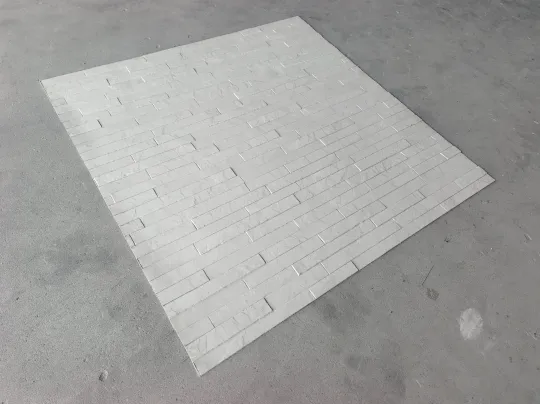
You know that feeling when you run your fingers along a beautiful stone wall? There's something deeply satisfying about the cool texture and timeworn permanence. Choosing masonry isn't just about picking materials – it's about finding the soul of your space. Whether you're building a cozy firepit, crafting a showstopping entryway, or planning a commercial project that needs to impress, selecting the right stone makes all the difference between "nice" and "wow".
Here's the honest truth: stones have personalities. Some love showing off dramatic textures, others prefer smooth elegance. Some thrive in harsh conditions while others need pampering. Your job? Match your stone's character to your project's purpose. Get it right, and you'll have decades of happy coexistence.
Imagine a stone that effortlessly transitions from garden pathways to grand fireplace surrounds – that's limestone. With its creamy, neutral palette ranging from soft beiges to warm grays, limestone brings instant class to any setting. But don't mistake its elegance for fragility.
What makes limestone special? Its workability. Masons adore how easily it carves, making it perfect for intricate details like moldings or decorative accents. If you're after that timeless European villa vibe, limestone's your best friend. Just remember – like a fine cream-colored sofa, it shows stains more than darker stones. A sealant will become your new favorite product.
When your project needs muscles and endurance, granite steps up. If stones could be athletes, granite would be the Olympic weightlifter – dense, strong, and stubbornly resistant to weathering. That's why you'll spot it holding up monuments and gracing kitchen countertops. Its speckled appearance adds visual interest too.
Granite's high traffic tolerance makes it ideal for practical applications: driveways, stairs that'll see heavy footsteps, or commercial flooring that needs to withstand thousands of visitors. Feeling chilly? Granite's impressive thermal mass means it'll absorb sunshine during the day and gently radiate warmth when evening comes.
Handy Tip: That speckled pattern isn't just pretty – those mineral crystals reveal how granite formed slowly deep beneath the Earth's surface. The larger the crystals, the longer the cooling time!
Sandstone is the geological equivalent of a delicious layer cake. Its distinctive banding tells stories of ancient rivers and shorelines depositing sediment year after year. This natural layering creates a wonderful textured appearance full of character and warmth.
Available in rich earth tones from golden yellows to rusty reds, sandstone adds instant warmth to any space. Garden walls seem to emerge naturally from the landscape when built with sandstone, and its rustic charm makes it perfect for cottages or cabins. That beautiful layered texture? Just be mindful – those layers can sometimes be vulnerable to flaking in freeze-thaw cycles if not properly maintained.
Nature doesn't make perfect rectangles, and neither does fieldstone. These are the stones that farmers have been pulling from fields for centuries to build fences and foundations. Irregular shapes and varying sizes give projects built with fieldstone their charming, relaxed appearance.
If you love the idea of walls that look like they've always been part of the landscape, fieldstone delivers. Dry-stacked stone walls winding through properties create magical, timeless moments. The eco-friendly nature of using local stones can't be overstated either – no transportation footprint, just genuine local character.
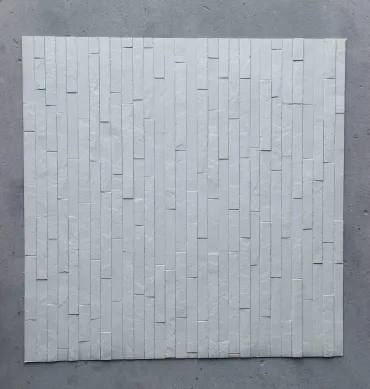
While we're talking masonry, let's give bricks their moment. Though technically different from natural stone, they're family in the masonry world and worthy of discussion. And by the way, we're naturally integrating eco-friendly materials here because sustainability matters more than ever in modern construction.
What material appears in ancient Mesopotamian ruins and modern Brooklyn brownstones? Clay brick. Fired in kilns for durability, these familiar red rectangles offer incredible longevity. Their thermal properties make them natural insulators – warm in winter, cool in summer.
Beyond practical benefits, there's a nostalgic quality to clay bricks. They feel substantial and permanent. Whether used whole, tumbled for a weathered look, or turned into veneers, they bring authenticity to structures.
When projects demand strength on a budget, concrete bricks deliver. Made from cement and aggregates, these bricks work hard in foundation walls, industrial settings, or anywhere pure strength matters most. But don't think they're just industrial – today's concrete bricks come dyed and textured to resemble clay or even natural stone.
The key advantage? Consistency. While natural stone varies wildly, concrete bricks offer uniform dimensions that make construction predictable and efficient. Their density provides excellent sound insulation too – great for urban environments or bustling commercial spaces.
Here's a specialist worth knowing: firebricks handle heat like nothing else. Formulated with special clays and fired at extreme temperatures, these bricks become incredibly heat-resistant without breaking. Indoor fireplaces, outdoor pizza ovens, kilns – anywhere fire lives, firebricks belong.
Beyond functionality, these bricks often have an appealing rustic appearance with subtle earth tones that complement fire's elemental nature. They won't suddenly crackle and pop when heated either, keeping your fires safely contained.
| Material | Best For | Pros | Cons |
|---|---|---|---|
| Limestone | Elegant walls, decorative work | Beautiful natural colors, easy carving | Can stain easily, requires sealing |
| Granite | High-traffic areas, exteriors | Extremely durable, weather-resistant | Heavy, harder to work with |
| Sandstone | Rustic walls, landscaping | Warm natural colors, beautiful layers | Softer layers may erode |
| Fieldstone | Natural landscapes, garden walls | Authentic look, locally sourced | Irregular shapes need skill to work with |
| Clay Brick | Traditional structures, facades | Classic look, good insulation | Limited colors, can chip |
| Concrete Brick | Foundations, structural work | Affordable, extremely strong | Plain appearance, heavy |
Always start with the simple question: "What job will this material perform?" An ornamental garden wall has different needs than a driveway needing to support tons of vehicles. Ask:
A decorative fireplace might dazzle in soft limestone, but a busy sidewalk needs granite's tough attitude. Matching personality to purpose prevents disappointment later.
Your local climate absolutely affects your masonry decisions. Coastal properties in humid climates battle salt corrosion, while snowy regions deal with constant freeze-thaw cycles that can crack stones over time.
If frost heaves happen where you live, low-absorption stones like granite perform better. Near the ocean? Avoid porous materials that absorb salt spray which eventually degrades them from within. Matching materials to environmental challenges means structures that endure beautifully.
Local Wisdom: Check older local structures built 50+ years ago. Their durability often demonstrates what materials withstand your specific regional climate best.
We all want projects that look amazing – but your material must deliver both beauty and function. Rough fieldstone gives gardens delightful natural character, but wouldn't feel welcoming inside a contemporary lobby. Smooth granite countertops look sleek in modern kitchens but can feel cold in cozy cottages.
Consider:
Honest talk: masonry costs vary wildly. Rare granite could cost ten times more than locally-quarried fieldstone. Remember that long-term perspective though. Spending more upfront on quality materials often pays off by avoiding costly replacements later.
Factor in installation too. Irregular fieldstones require highly skilled masons working slowly. Uniform concrete bricks install faster and cheaper. Ask yourself:
Materials range from "install-and-forget" to "needs regular attention". Porous limestones and sandstones demand periodic sealing to look their best. Granite tends to shrug off weather with minimal help.
Evaluate your willingness to maintain:
If hands-off maintenance suits you best, dense stones or concrete bricks might win.
Think about how the material's size and texture impact the space. Huge granite slabs can overwhelm a cozy patio but feel appropriate on grand building facades. Smaller bricks or carefully-sized stones establish comfortable human scale.
Pattern matters too. Will you use uniform courses of brick or irregular natural stone patterns? The decision affects everything from construction speed to final personality. Even color intensity changes with scale – a color that's perfect on a sample can overwhelm entire walls.
Seasoned masons bring invaluable experience. They understand how materials behave in your specific area and what works for different purposes. They'll notice potential problems like:
Pay for professional advice early – it prevents costly mistakes later.
Choosing masonry materials shouldn't feel intimidating. Think about your project's personality first. Formal gardens cry out for cut limestone's elegance while rugged cabins need fieldstone's natural charm. Consider your climate's demands – coastal salt air and freeze-thaw cycles eliminate many options.
The perfect choice combines aesthetics, functionality, environmental compatibility, and maintenance you'll realistically perform. Don't chase trends; instead choose materials that complement your architecture and local landscape. Stones that look at home in their setting always deliver timeless results.
Great masonry feels like it has always been there. By understanding materials' unique traits and matching them to your purpose, you achieve that magic feeling of authenticity. Listen to experienced masons and respect local traditions about what works well nearby.
When in doubt, remember: nature created these stones through immense pressure and geological time. Choosing masonry creates an opportunity to bring enduring, natural beauty into your daily world. Making thoughtful choices ensures structures that age gracefully while delivering beauty and function for decades.
Recommend Products












