Kitchens are more than just rooms for cooking—they're the heart of the home. They're where morning coffee spills happen, where kids rush in with muddy shoes after school, where friends gather during parties, and where family recipes are passed down through generations. That's why choosing the right flooring for your kitchen isn't just about aesthetics; it's about finding a balance between durability, safety, comfort, and style. After all, your kitchen floor has to keep up with your life.
As someone who's helped countless homeowners and businesses in Saudi Arabia and beyond find their perfect kitchen flooring, I've seen firsthand how the right choice can transform a space from "just functional" to "truly livable." And the wrong choice? Let's just say I've heard too many stories of warped wood from leaky dishwashers or slippery tiles that turned breakfast prep into a hazard. That's why I'm excited to share this guide—to help you navigate the world of kitchen flooring with confidence, whether you're building a new home, renovating a commercial café, or upgrading your family kitchen.
Let's start with the basics: kitchens are high-stress environments for flooring. Think about it—you're dealing with water (from sinks, spills, or steam), heat (from ovens and stovetops), heavy foot traffic, and all kinds of messes (oils, sauces, dropped utensils). Add in kids, pets, or busy commercial settings, and you've got a recipe for flooring that needs to be tough, yet still feel like part of your home.
But it's not just about durability. Your kitchen floor sets the tone for the entire space. A warm, natural stone floor can make a modern kitchen feel cozy; sleek, large-format porcelain slabs can elevate a commercial kitchen to luxury status; and durable waterproof flooring can give busy families peace of mind. And let's not forget safety—slippery floors are a leading cause of home accidents, so choosing something with good traction is non-negotiable.
As a one-stop architectural solution provider , Coloria gets it. We've spent decades working with homeowners, architects, and contractors in Saudi Arabia and globally, and we've learned that the best kitchen flooring isn't just a product—it's a solution tailored to your lifestyle. That's why we've curated a range of options designed to meet the unique demands of both residential and commercial kitchens, from the bustling family home to the high-end hotel restaurant.
Now, let's dive into the good stuff: the flooring types that stand out in today's market. I've handpicked these based on durability, style, and real-world performance—because at the end of the day, you need something that works as hard as you do.
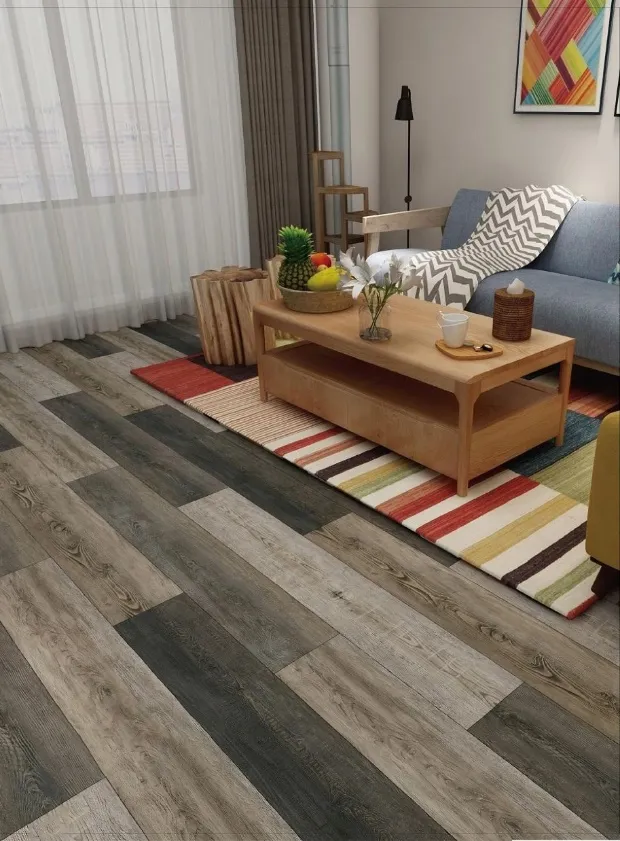
If I had to recommend one flooring type for families with kids, pets, or anyone who hates worrying about spills, it would be waterproof flooring. Specifically, WPC (Wood Plastic Composite) and SPC (Stone Plastic Composite) options. These aren't your grandma's vinyl floors—they're engineered to handle the worst kitchen disasters with grace.
So, what makes them so special? WPC and SPC floors are made with a rigid core that's 100% waterproof, meaning even if your dishwasher leaks for a week (we've all been there with busy schedules), your floors won't warp or swell. They're also scratch-resistant, so Fido's claws or dropped pots won't leave permanent marks. And the best part? They look amazing. Thanks to advanced printing technology, you can get the look of hardwood, stone, or even marble—without the maintenance headaches.
I recently worked with a family in Riyadh who had just renovated their kitchen with WPC flooring, and they told me the biggest surprise was how quiet it was. Unlike tile, which can echo when kids run through, WPC has a bit of give that absorbs sound—a game-changer for open-concept homes. Plus, it's easy to install (many options are click-lock, so no messy glue) and budget-friendly compared to natural stone.
For commercial settings, like cafes or small restaurants, SPC is a star. It's even more rigid than WPC, making it ideal for heavy foot traffic, and it comes in large planks that reduce grout lines—meaning less time spent cleaning and more time focusing on your customers.
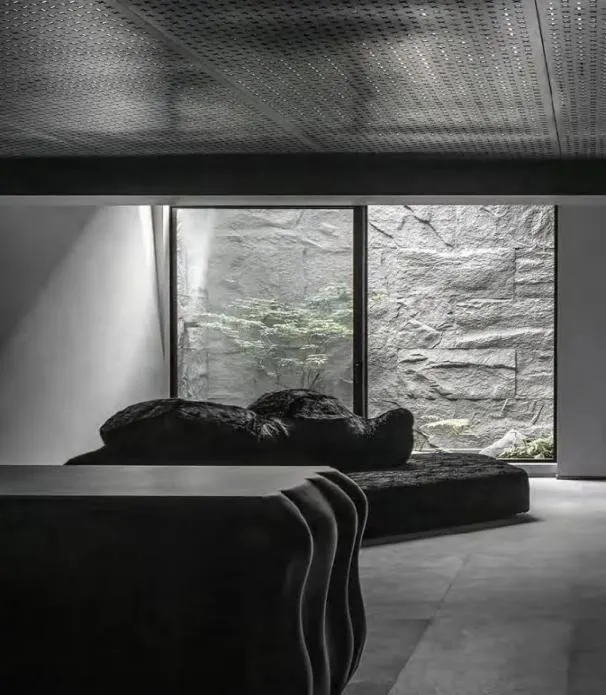
There's something about natural stone that instantly elevates a kitchen. Whether it's the speckled elegance of granite, the soft veining of marble, or the dramatic depth of cloud stone , natural stone brings a sense of luxury and permanence that synthetic materials just can't match. It's no wonder many high-end homes and boutique hotels in Saudi Arabia opt for stone floors.
Granite, in particular, is a kitchen favorite. It's one of the hardest natural stones, so it's resistant to scratches and heat—perfect for placing hot pots directly on the floor (though we still recommend trivets, just to be safe!). It also comes in a rainbow of colors, from classic blacks and whites to warm beiges and even bold reds, so you can match it to any design style. I once helped a client in Jeddah create a Moroccan-inspired kitchen with green granite floors that complemented their hand-painted tiles—stunning doesn't even begin to describe it.
Then there's switzerland stone and cloud stone, which are gaining popularity for their unique, almost artistic patterns. These stones have a softer look than granite, making them ideal for kitchens that want to feel elegant but not overly formal. Imagine a kitchen with cloud stone floors, white cabinetry, and brass fixtures—it's like something out of a design magazine.
But natural stone isn't for everyone. It does require sealing (usually once a year) to prevent stains, and it can be slippery when wet—so we often recommend adding a honed finish instead of polished for better traction. It's also heavier than other options, so you'll need to make sure your subfloor can handle the weight. And let's talk cost: natural stone is an investment, but for many homeowners, the timeless beauty is worth every penny.
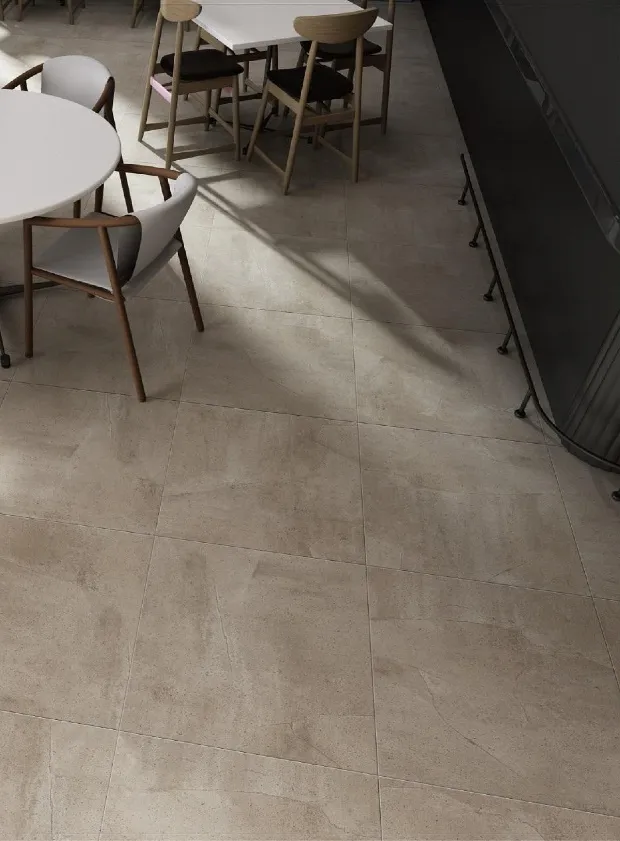
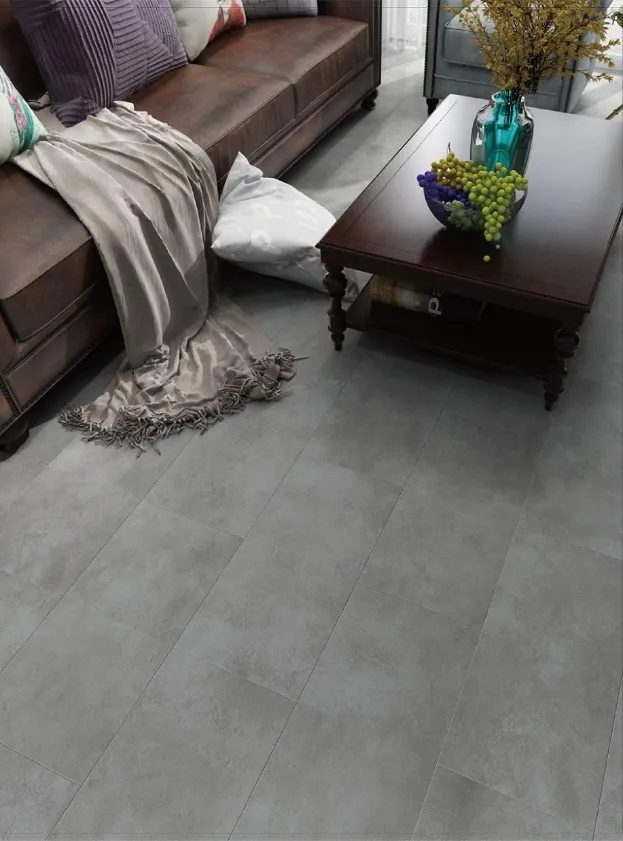
When it comes to commercial kitchens, hotels, or high-traffic residential spaces, porcelain slab tile for wall and floor is a total rockstar. These large-format tiles (often 120x240cm or bigger) are fired at extremely high temperatures, making them dense, durable, and impervious to water, stains, and scratches. They're like the superhero of flooring—tough, reliable, and ready for anything.
One of the biggest advantages of porcelain slabs is their versatility. They can mimic natural stone, wood, concrete, or even metal, so you get the look you want without the maintenance. For example, if you love the look of marble but hate the upkeep, a porcelain slab with a marble effect is the perfect compromise. It's also great for creating seamless floors—with fewer grout lines, there are fewer places for dirt and bacteria to hide, which is a huge plus for commercial kitchens or homes with allergy sufferers.
I recently visited a hospital kitchen in Riyadh that had switched to Class A fireproof CPL inorganic board (another Coloria specialty) on the walls and porcelain slabs on the floors, and the difference was night and day. The staff told me cleaning time had been cut in half, and they no longer worried about stains from food spills or harsh cleaning chemicals. Plus, the large slabs made the space feel more open and modern—important for a busy environment where staff need to move quickly.
Porcelain slabs are also surprisingly affordable, especially when you consider their lifespan. They're easy to clean (just sweep and mop with mild detergent), and they hold up to heavy furniture, rolling carts, and even the occasional dropped knife. For anyone who wants a low-maintenance, high-performance floor that still looks great, porcelain slabs are hard to beat.
For the eco-conscious homeowner or business owner, bamboo charcoal board wall panel (yes, it works for floors too!) is a game-changer. Made from bamboo fibers and activated charcoal, this material is not only sustainable but also has natural antibacterial properties—perfect for kitchens where hygiene is a top priority.
Bamboo is one of the fastest-growing plants on Earth, so it's a renewable resource (unlike hardwood, which can take decades to mature). And the activated charcoal? It helps absorb odors and moisture, which means your kitchen will smell fresher, even after a night of cooking fish or garlic. I had a client in Dammam who was skeptical at first—"Charcoal in my kitchen floor?" she asked—but after six months, she told me she no longer needed to light candles to mask cooking smells. Win-win.
Beyond the eco-friendly benefits, bamboo charcoal board is surprisingly durable. It's resistant to scratches, dents, and moisture (though not 100% waterproof, so wipe up spills quickly), and it has a warm, natural look that works with both modern and traditional kitchens. It's also softer underfoot than tile or stone, making it more comfortable for standing during long cooking sessions—great for home chefs or restaurant staff.
As part of Coloria's commitment to sustainable products (we're big supporters of Saudi Arabia's 2030 Vision for green growth), bamboo charcoal board is a favorite among clients who want to reduce their environmental footprint without sacrificing style or performance. It's a small choice that makes a big difference—for your kitchen and the planet.
Last but certainly not least, let's talk about terrazzo. If you want a kitchen floor that's as unique as you are, terrazzo is the way to go. Made from chips of marble, granite, glass, or even recycled materials set in a cement or resin binder, terrazzo is bold, colorful, and endlessly customizable. It's like having a piece of art underfoot.
Terrazzo has been around for centuries (ancient Romans used it!), but it's making a huge comeback in modern design. I've seen it in everything from minimalist white kitchens with subtle terrazzo accents to vibrant, retro-inspired spaces with rainbow-colored chips. One of my favorite projects was a café in Riyadh where the owner mixed local Saudi marble chips into the terrazzo, creating a floor that told a story of place and creativity.
But terrazzo isn't just about looks—it's also durable. When properly sealed, it resists stains and scratches, and it can last for decades (some historic buildings have terrazzo floors that are over 100 years old!). It's also low-maintenance—just sweep and mop regularly, and reseal every few years to keep it looking fresh.
The only downside? Terrazzo can be pricey, especially for custom designs, and it's heavy, so installation requires a professional. But for clients who want a floor that sparks joy and conversation, it's worth every dirham.
| Flooring Type | Durability | Waterproof? | Comfort | Maintenance | Best For |
|---|---|---|---|---|---|
| Waterproof Flooring (WPC/SPC) | High (resistant to scratches, dents) | 100% waterproof | Medium-soft (absorbs sound) | Low (sweep, mop with mild soap) | Busy families, kids/pets, commercial cafes |
| Natural Stone (Granite/Cloud Stone) | Very high (heat, scratch resistant) | No (needs sealing) | Hard (cold underfoot without rugs) | Medium (seal yearly, avoid harsh cleaners) | Luxury homes, high-end hotels, statement kitchens |
| Porcelain Slab Tile | Very high (dense, scratch/heat resistant) | Yes (impervious to water) | Hard (can be slippery when wet) | Low (sweep, mop with any cleaner) | Commercial kitchens, hospitals, modern homes |
| Bamboo Charcoal Board | Medium-high (resistant to scratches, not for heavy machinery) | Water-resistant (not waterproof) | Soft (warm, comfortable for standing) | Medium (wipe spills quickly, avoid harsh chemicals) | Eco-friendly homes, health-focused kitchens |
| Terrazzo Tile | High (durable, long-lasting) | No (needs sealing) | Hard (similar to stone) | Medium (seal every 2-3 years, avoid acidic cleaners) | Custom, artistic spaces, historic renovations |
Now that you know the top flooring types, how do you narrow it down? Here are the questions I ask every client to help them find their perfect match:
A family with young kids needs different flooring than a retired couple or a busy restaurant. If you have toddlers who drop food constantly, waterproof flooring or terrazzo (which hides crumbs!) might be better than marble (which shows every stain). For commercial kitchens with rolling carts, porcelain slabs or granite are more durable than bamboo.
Your kitchen floor should complement your overall design. Love modern minimalism? Go for large-format porcelain slabs or sleek WPC in light wood tones. Into rustic charm? Terrazzo with earthy tones or bamboo charcoal board could be perfect. And if you want to make a statement, cloud stone or custom terrazzo will do the trick.
Let's be real—flooring is a big investment, and it's important to set a budget upfront. Waterproof flooring and bamboo charcoal board are generally more affordable, while natural stone and custom terrazzo can be pricier. But remember: a higher upfront cost might save you money in the long run (think: a granite floor that lasts 50 years vs. vinyl that needs replacing every 10).
If you hate cleaning (no judgment—who doesn't?), opt for low-maintenance options like porcelain slabs or WPC, which can handle a quick sweep and mop. If you don't mind sealing every year and wiping up spills immediately, natural stone or terrazzo might be worth the extra effort for the beauty they bring.
Here in Saudi Arabia, we deal with extreme heat and occasional humidity—factors that can affect flooring. For example, wood floors can expand and contract with humidity, so WPC or SPC (which are stable in all climates) might be a safer bet. Natural stone, on the other hand, stays cool underfoot, which is a nice perk during hot summers!
You've chosen your flooring—now how do you keep it looking like new? The good news is, with a little care, any of these flooring types will last for years. Here are my top maintenance tips:
Choosing kitchen flooring is a big decision, and you don't have to do it alone. At Coloria, we're not just a building material supplier —we're a team of experts who care about your project's success. Here's how we can help:
Whether you're a homeowner, architect, or contractor, we'll walk with you every step of the way—from initial design consultations to final installation. Because we believe your kitchen should be more than just a room—it should be a space that works for you, today and for years to come.
At the end of the day, choosing kitchen flooring is about more than durability or style—it's about choosing a foundation for your daily life. It's the floor your kids will dance on while you cook, the surface you'll kneel on to clean up spills, the backdrop for countless memories and meals. So take your time, ask questions, and don't settle for anything less than flooring that makes you smile every time you walk into your kitchen.
And if you're feeling overwhelmed, remember: you're not alone. The team at Coloria is here to help you navigate the options, compare samples, and find the perfect fit for your space, budget, and lifestyle. After all, we're not just in the business of selling building materials—we're in the business of building spaces where life happens.
So go ahead—dream big. Your perfect kitchen floor is waiting, and we can't wait to help you find it.
Recommend Products